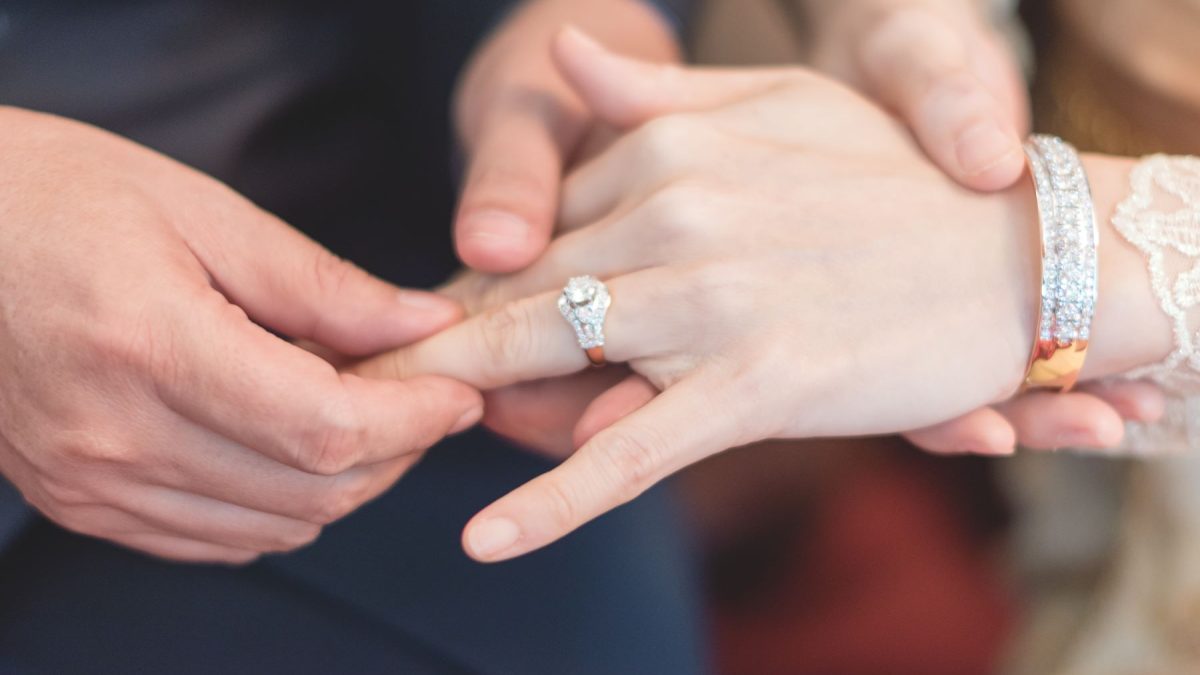
Diamond rings remain the ultimate symbol of personal style and lifelong commitment.
Yet the way buyers approach them has shifted dramatically over the past two years.
Rings today feel more intentional, more personal, and far less tied to old conventions of size or sparkle alone.
This guide explores the shapes, settings, and stones defining luxury in 2026.
The Shift Toward Intentional Design
The classic round solitaire is no longer the default choice for engaged couples and collectors.
Modern buyers want pieces that reflect identity, heritage, and lifestyle rather than tradition for its own sake.
Designers are responding with cleaner lines, sculptural settings, and a renewed focus on stone quality over carat weight.
As Boston jeweler Hannah Florman notes, you can and should ask your jeweler detailed questions about a stone’s grading before any purchase.
That conversation is now driving design choices long before a ring is finalized.
The Cuts and Styles Leading 2026
Old mine and antique cuts are making a strong return for buyers who want warmth and history in their stone.
Oval, pear, and elongated cushion shapes continue to dominate among those seeking a contemporary silhouette.
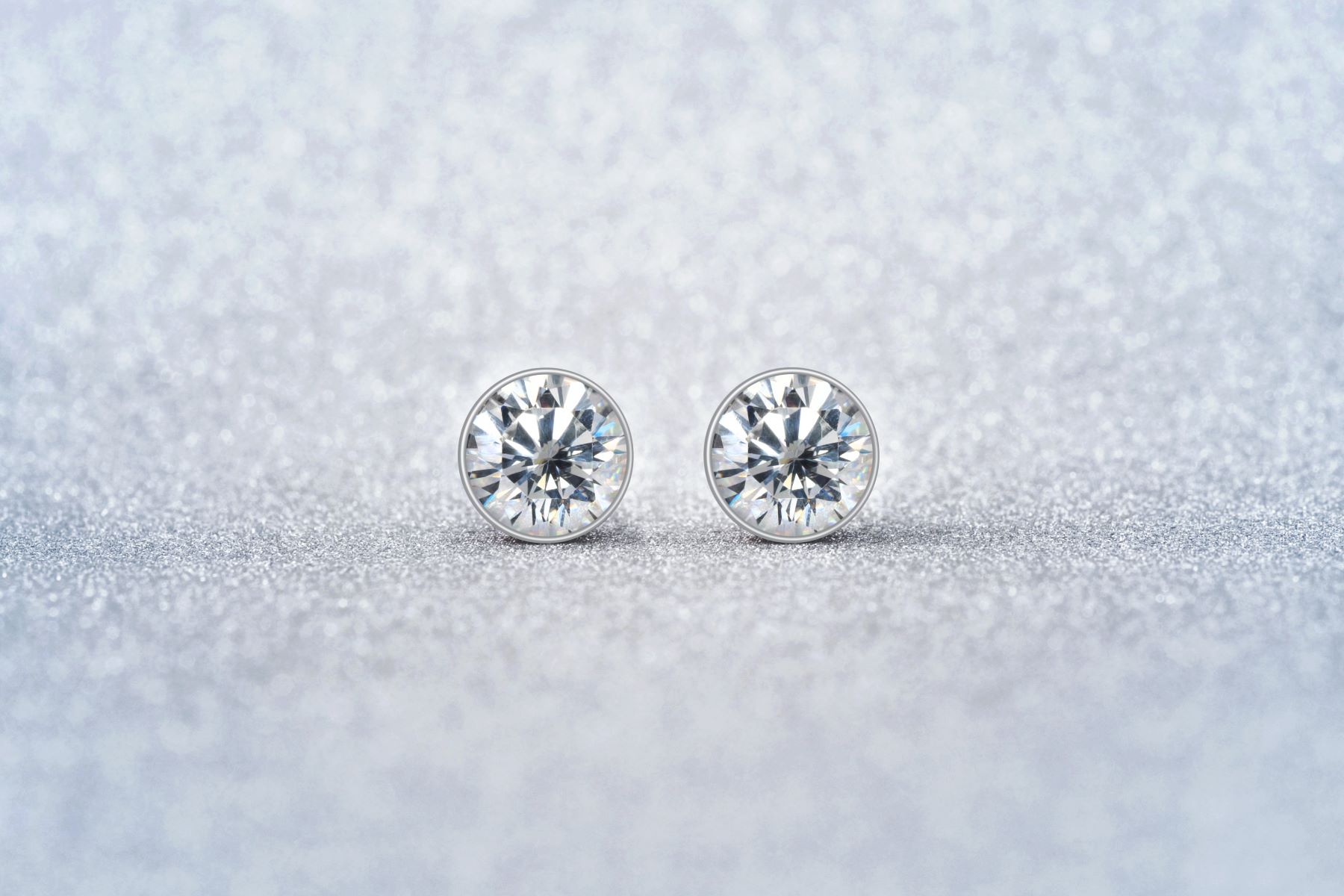
Bezel settings, east-west orientations, and slim yellow gold bands have emerged as the new signatures of refined taste.
If you are exploring contemporary options, browsing a curated diamond ring collection from a trusted retailer like CaratLane offers a strong sense of the styles defining the year.
These directions all share a common thread: confidence without excess.
Why Vintage Is Resurging
Antique stones carry a character that modern cuts often cannot replicate.
They suit buyers who view their ring as a future heirloom rather than a fashion statement.
Demand for old European and old mine cuts has climbed steadily through 2025 and into 2026.
Lab-Grown Versus Natural Diamonds
Lab-grown diamonds now account for a meaningful share of fine jewelry purchases worldwide.
Both options share identical chemical and optical properties, yet they differ in price, rarity, and resale value.
The decision depends entirely on what the wearer values most in the stone.
Comparison Table
| Factor | Natural Diamond | Lab-Grown Diamond |
| Origin | Formed deep in the Earth | Grown in a controlled lab |
| Price Range | Higher per carat | 30 to 60 percent less |
| Rarity | Limited and finite | Reproducible at scale |
| Resale Value | Stronger long-term hold | Weaker secondary market |
| Sustainability | Mining impact varies | Lower environmental footprint |
| Certification | GIA, IGI, AGS | IGI, GCAL, GIA |
Understanding the 4Cs Before You Buy
The 4Cs remain the foundation of every diamond purchase: cut, color, clarity, and carat.
Cut influences sparkle more than any other factor and should always be prioritized.
Industry expert Jhaveri explains that cut determines how well the diamond reflects light, shaping its brilliance and overall appeal.
Color is graded from D, fully colorless, to Z, light yellow or brown, with most buyers landing comfortably in the near-colorless G to J range.
Clarity refers to internal inclusions, and most experts recommend an eye-clean stone of VS1 or higher.
Carat is simply weight, not size, so always check millimeter measurements alongside the carat number.
Setting the Right Budget
A meaningful diamond ring does not require a six-figure spend.
Quality entry pieces from reputable retailers start around the mid-hundreds, while bridal pieces often sit between two and ten thousand dollars.
Setting style, metal choice, and certification all influence the final number more than people expect.
Where Buyers Are Shopping in 2026
Online-first jewelers with showroom support have become the preferred choice among younger luxury buyers.
This hybrid model offers transparent pricing, certified stones, and the option to view pieces in person before committing.
It also removes the markups associated with traditional high-street retail.
Frequently Asked Questions
How much should I spend on a diamond ring?
There is no fixed rule. Choose a budget that fits your finances and prioritize cut and certification over sheer carat weight.
Are lab-grown diamonds worth the savings?
For everyday wear and modern style, yes. For long-term resale or heirloom value, natural stones still lead.
Which cut sparkles the most?
Round brilliant cuts return the most light, followed by oval, pear, and cushion shapes when cut to ideal proportions.
What metal lasts the longest?
Platinum is the most durable, followed by 18kt and 14kt gold. Each holds diamonds securely with proper maintenance.
How do I verify a diamond is real?
Always request a grading report from GIA, IGI, or AGS. Reputable retailers provide certification with every stone.
Final Thoughts
A diamond ring purchased in 2026 should reflect the person who wears it, not just the moment of purchase.
The best pieces today balance beauty, transparency, and intentional design.
Whether you choose an antique cushion, a sleek bezel solitaire, or a colored center stone, prioritize cut quality and certified sourcing above all else.
That is what truly separates a meaningful purchase from a passing trend.