Luxury has always evolved alongside culture. In the 1980s, visible excess defined status. In the 2000s, luxury consumers embraced technology, exclusivity, and global travel. During the “quiet luxury” era of the late 2010s and early 2020s, understated sophistication became the dominant aspiration.
Now, a new luxury currency is taking over in 2026: privacy.
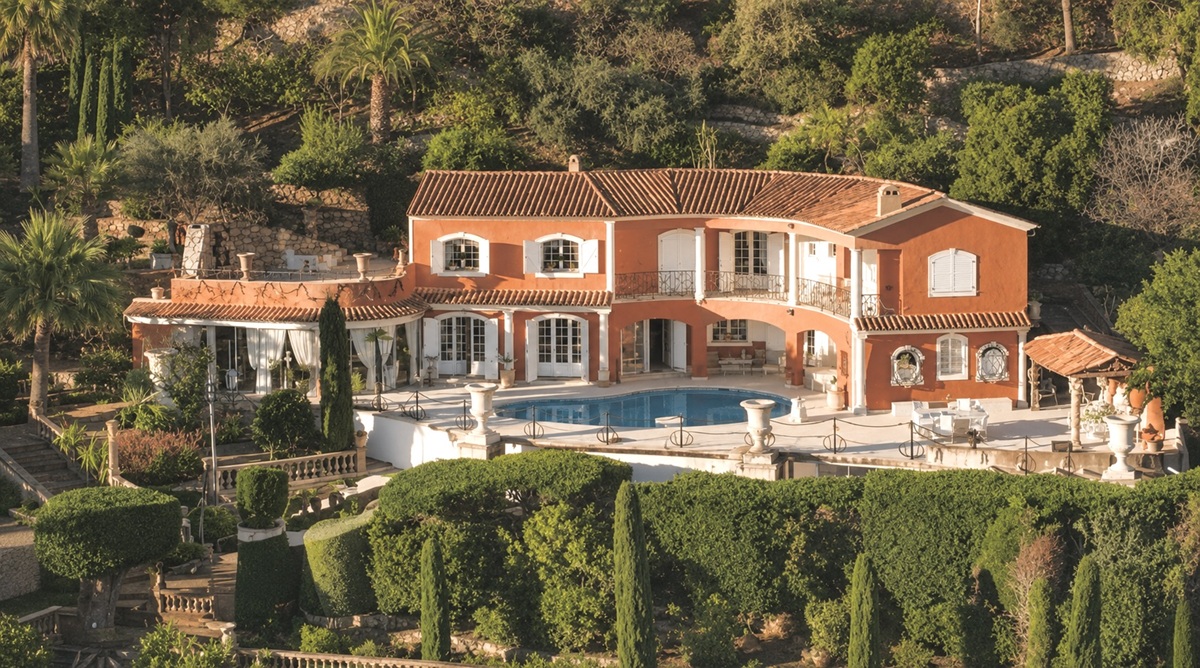
Across luxury travel, real estate, fashion, aviation, hospitality, and even wellness, affluent consumers are increasingly prioritizing seclusion, discretion, personalization, and control over public displays of wealth. Private villas are outperforming traditional luxury hotel suites. Private aviation demand remains elevated. Invitation-only experiences are expanding. Fully staffed estates, hidden destinations, and members-only hospitality concepts are becoming the defining symbols of modern affluence.
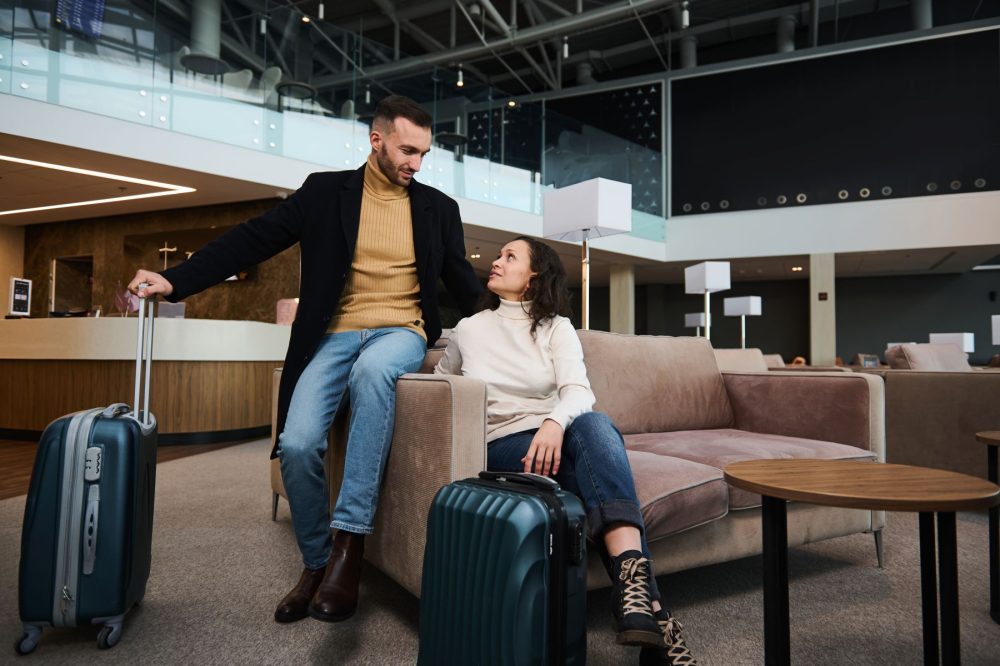
For ultra-high-net-worth travelers, privacy has evolved from a convenience into a primary luxury asset.
“Luxury consumers increasingly want the freedom to disappear,” says author Gilbert Alan. “Privacy now represents emotional security, control, exclusivity, and status all at once.”
The trend accelerated dramatically after the pandemic reshaped affluent travel behavior. Wealthy travelers discovered the emotional value of space, private environments, and reduced public exposure. Even as global travel fully recovered, many affluent consumers never returned to traditional mass luxury experiences.
Instead, they began prioritizing:
- Private villa estates
- Hidden luxury retreats
- Private aviation
- Private chefs
- Yacht charters
- Invitation-only clubs
- Members-only travel services
- Wellness-focused secluded destinations

Luxury travel advisors now report soaring demand for off-market properties and discreet travel arrangements that intentionally minimize public visibility. Some affluent travelers reportedly spend well over seven figures for highly curated private travel experiences involving staffed estates, security teams, and customized itineraries.
Luxury hospitality brands are responding rapidly.
Hotels increasingly resemble private residential clubs rather than traditional resorts. New ultra-luxury developments now prioritize:
- Private entrances
- Villa-style accommodations
- Low-density layouts
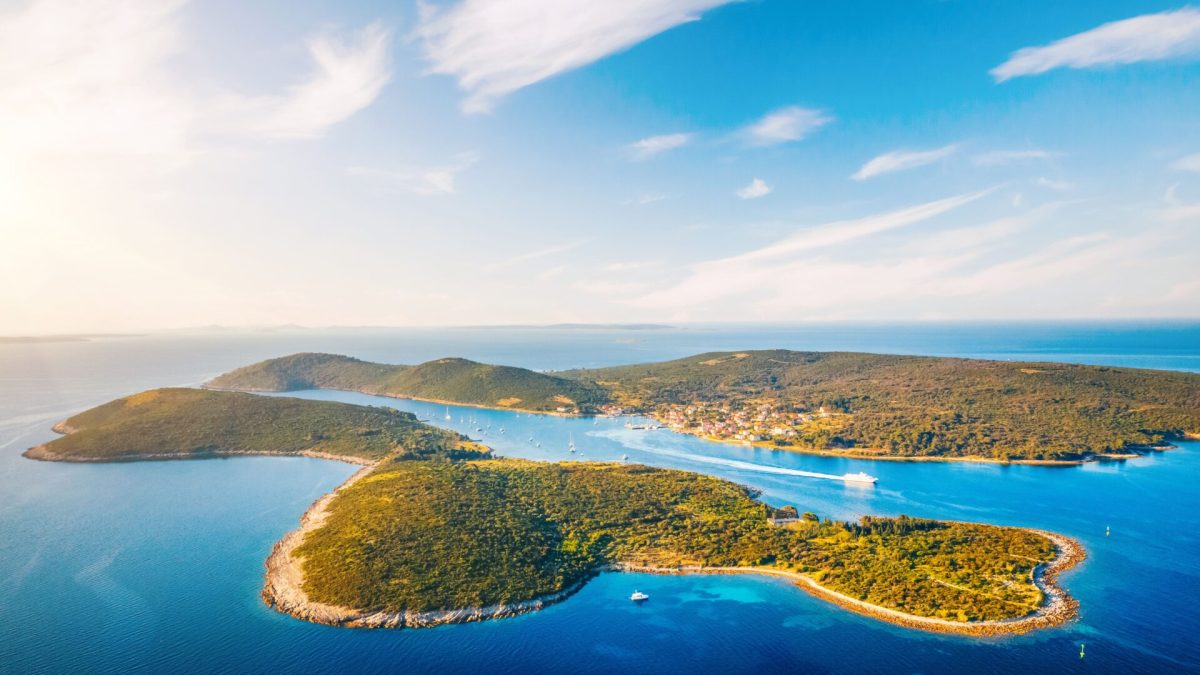
- Hidden beach access
- Underground arrival systems
- Members-only amenities
Brands such as Aman, Six Senses, and Ritz-Carlton Reserve continue positioning privacy itself as part of the luxury experience.
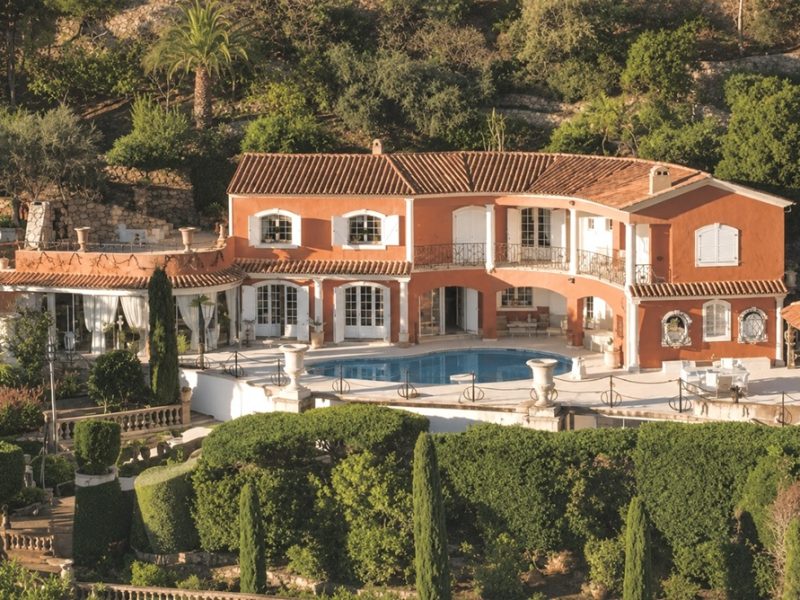
Luxury real estate is also transforming in response to this demand. Ultra-affluent buyers increasingly seek properties emphasizing isolation, acreage, gated security, and integrated wellness infrastructure over purely visible grandeur.
Architects now frequently design luxury homes around:

- concealed layouts
- biometric security
- private wellness spaces
- integrated office compounds
- self-contained entertainment environments
The automotive market reflects this change as well. While exotic vehicles remain aspirational, many wealthy consumers increasingly view transportation through the lens of privacy and efficiency rather than public attention.
Private aviation has become one of the clearest examples.
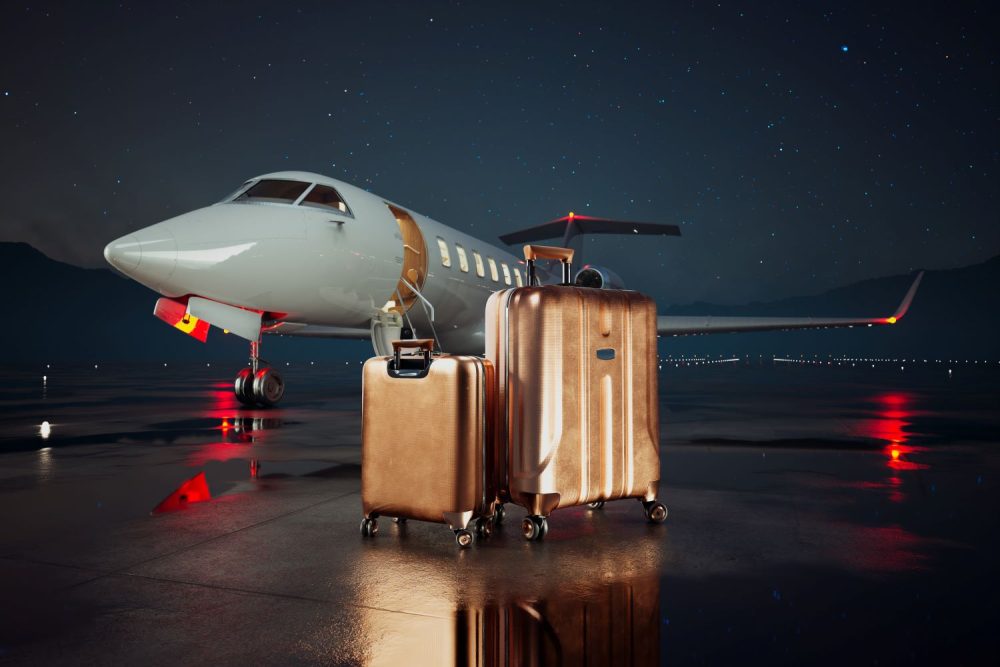
Affluent travelers increasingly prioritize flexible private air travel options that minimize crowds, delays, and public exposure. Semi-private aviation services, jet memberships, and personalized charter experiences continue expanding as wealthy consumers seek more controlled travel environments. At the same time, luxury itself is becoming more emotionally driven.
Today’s affluent consumers increasingly associate luxury with:
- time
- calm
- control
- personalization
- discretion
- emotional comfort
Traditional status symbols often emphasized visibility. Modern luxury increasingly emphasizes selective invisibility.
Social media paradoxically helped accelerate this trend. While platforms reward visibility and aspiration, many affluent individuals simultaneously seek refuge from constant public exposure. The result is a luxury market increasingly centered around exclusive access rather than overt display.
This shift also explains the rapid growth of luxury villa travel.
Private villas allow affluent travelers to create highly personalized experiences without navigating crowded hotel environments. Families, celebrities, executives, and younger affluent travelers increasingly prefer residential-style accommodations offering space, privacy, and control.
Wellness tourism is similarly evolving around emotional restoration and privacy. Luxury travelers increasingly seek retreats centered around:
- digital detox
- longevity
- sleep optimization
- mindfulness
- secluded wellness environments
The future of luxury hospitality may increasingly resemble a blend between residential real estate, wellness ecosystems, and private membership culture.
Technology is also reshaping expectations around privacy. Wealthy consumers now evaluate luxury brands partly based on how well they protect personal information, travel behavior, and purchasing data. Data discretion is quietly becoming part of premium customer service itself.
. . . . .
JustLuxe is a premier authority on luxury lifestyle, products, and designer trends. Our global audience relies on our expert-driven content. In our commitment to accuracy and innovation, JustLuxe editors occasionally use AI tools for fact-checking and research support.