
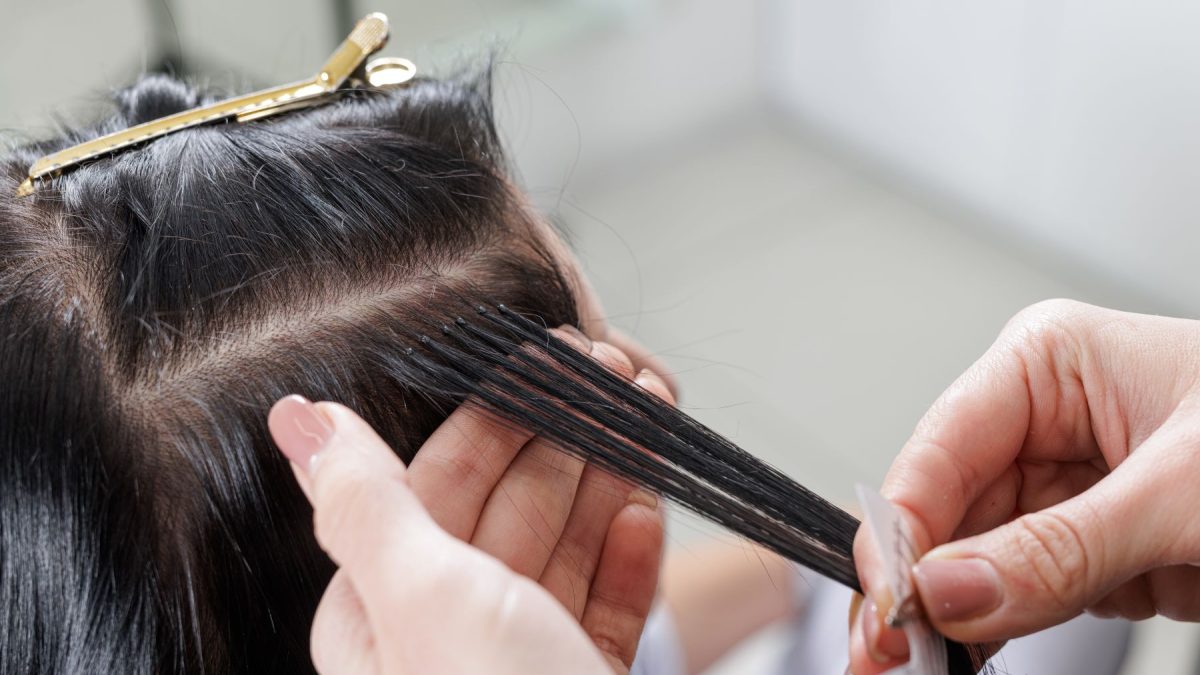
For many people experiencing hair loss, restoration their hair can be more than just appearance. It can be about regaining confidence and feeling comfortable with how they look.
As aesthetic treatments continue to evolve, the emphasis is shifting away from dramatic transformation toward something more refined: personalized, natural-looking results that complement the individual.
That philosophy is particularly relevant to hair restoration, where the difference between a good result and an exceptional one often comes down to precision, craftsmanship, aesthetic judgment, and long-term planning.
What Does Hair Restoration Cost in 2026?
In 2026, hair transplant procedure costs in the U.S. can vary, generally ranging from $7,000 to $15,000, depending on the surgeon, technique, number of grafts, and complexity of the procedure.
Some clinics offer lower-cost procedures, while others charge a premium for physician-led care and a more personalized approach. However, price alone does not necessarily indicate the quality, natural appearance, or longevity of the results.
Hair transplant pricing may be based on the number of grafts, a flat procedure fee, or a session-based rate. While graft count is an important consideration, it doesn’t tell the whole story. A graft can contain one to several hairs, and two patients receiving a similar number of grafts can achieve very different results.
The true value of a hair transplant lies beyond the initial price. It comes from the combination of physician expertise, technical precision, aesthetic judgment, and long-term planning required to create a natural-looking result while making thoughtful use of a limited donor supply.
In that sense, hair restoration is as much an exercise in craftsmanship as it is a medical procedure. Every decision, from the overall design to the placement of individual grafts, can influence the final result.
Hair Restoration Is a Long-Term Investment
Unlike topical products or medications that require ongoing use, a hair transplant can provide long-term improvement by relocating hair follicles that are generally more resistant to the effects of pattern hair loss.
For many patients, strategically planned procedures can provide long-term improvement, with results varying from person to person. But lasting results require more than simply moving hair from one area of the scalp to another.
Precision begins with understanding the individual: the pattern and progression of hair loss, donor density, hair texture, facial proportions, and long-term goals. Each of these factors informs the treatment plan.
An experienced surgeon must also consider how the patient’s hair loss may progress over time. A treatment plan that looks effective today but fails to account for future loss may create an unnatural appearance later or limit the options available for additional procedures.
This long-term perspective is part of what distinguishes thoughtful hair restoration from a one-size-fits-all approach. The goal is not simply to maximize the number of grafts used, but to create a plan that respects the patient’s existing features, donor supply, and future needs.
The artistry lies in bringing all of these details together so the finished result doesn’t simply restore hair, but instead feels like a natural part of the person’s appearance.
The Art and Precision Behind a Natural-Looking Results
The artistry of hair restoration isn’t always apparent when looking at the finished result. In fact, one of the hallmarks of exceptional work is that it doesn’t look like a procedure at all.
Natural hair has subtle variations in density, direction, angle, and texture. Recreating those characteristics requires a combination of medical knowledge, technical precision, aesthetic judgment, and craftsmanship.
Like other forms of aesthetic medicine, the finest results often depend on details that may never be noticed individually. The work is successful when those details come together seamlessly.
Designing a Natural Hairline
Few elements influence the appearance of a hair transplant more than the hairline.
A hairline that is too low, too straight, too dense, or inconsistent with the patient’s features can make a technically successful procedure appear artificial. Instead, an experienced surgeon considers facial proportions, age, existing hair characteristics, donor availability, and the likelihood of future hair loss when designing the hairline.
This is where physician expertise and aesthetic judgment intersect. Rather than applying a predetermined template, the hairline should be considered in the context of the individual.
The goal isn’t perfection in the traditional sense. It’s natural irregularity and proportion—a hairline that complements the face and continues to look appropriate as the patient ages.
Precision in Every Graft
Once the overall design is established, precision continues down to the placement of individual follicular units.
Natural hair doesn’t grow in a perfectly uniform grid. Follicles emerge at different angles and directions, and density changes throughout the scalp. Replicating those characteristics requires careful graft selection and placement. Smaller follicular units may be used toward the front of the hairline to create a softer transition, while larger grafts can contribute to density farther behind it.
This level of detail is where craftsmanship becomes particularly important. Each graft has a role within the larger design, and thoughtful placement can help create the variation and texture associated with natural hair.
Each decision contributes to the illusion that the hair has always been there.
Why Precision Is Worth the Investment
The artistry of a hair transplant isn’t simply an aesthetic consideration. It can also affect the financial value of the procedure.
A lower-cost procedure may initially seem attractive, but poor graft survival, an unnatural hairline, donor depletion, or inadequate long-term planning can lead to revision surgery that costs thousands of dollars more.
Because donor follicles are limited, using them strategically is essential. The true return on investment isn’t simply how much hair you received for your money. It’s how effectively your donor hair was used to create a natural-looking result designed to stand the test of time.
When evaluating hair restoration, patients should look beyond the advertised price per graft. Physician involvement, hairline design, graft selection and placement, donor-area preservation, follow-up care, and planning for future hair loss can all provide a clearer picture of the overall value and quality of a procedure.
For patients seeking a more refined aesthetic outcome, discretion can also be part of that value. A well-planned result should complement the individual’s appearance rather than call attention to the fact that a procedure was performed.
Ultimately, the investment is not simply in the amount of hair restored. It is in the expertise, craftsmanship, planning, and precision behind how that hair is used.
Investing in Confidence That Lasts
The most meaningful return on hair restoration, however, may have little to do with dollars.
Patients often describe improvements in confidence, self-image, professional presence, and social comfort after hair restoration. For some, it means no longer thinking about a receding hairline before a photograph. For others, it means feeling more comfortable in professional or social settings.
These benefits are difficult to quantify, but they are often central to why someone chooses hair restoration in the first place.
Modern hair restoration is increasingly defined by subtlety, personalization, precision, and discretion. The objective isn’t to create an obvious transformation. It’s to restore what has been lost while maintaining the individuality of the person beneath it.
From the architecture of the hairline to the placement of individual follicular units, every decision contributes to the final result. Like any form of craftsmanship, the quality is often found in the details—the choices that may be invisible to everyone except the person who understands how the work was created.
And when medical expertise, aesthetic judgment, and technical craftsmanship come together, the most successful outcome may be the one nobody notices as a procedure at all.
Because the true return on precision hair restoration isn’t measured in grafts. It’s measured in the confidence of looking and feeling like yourself again