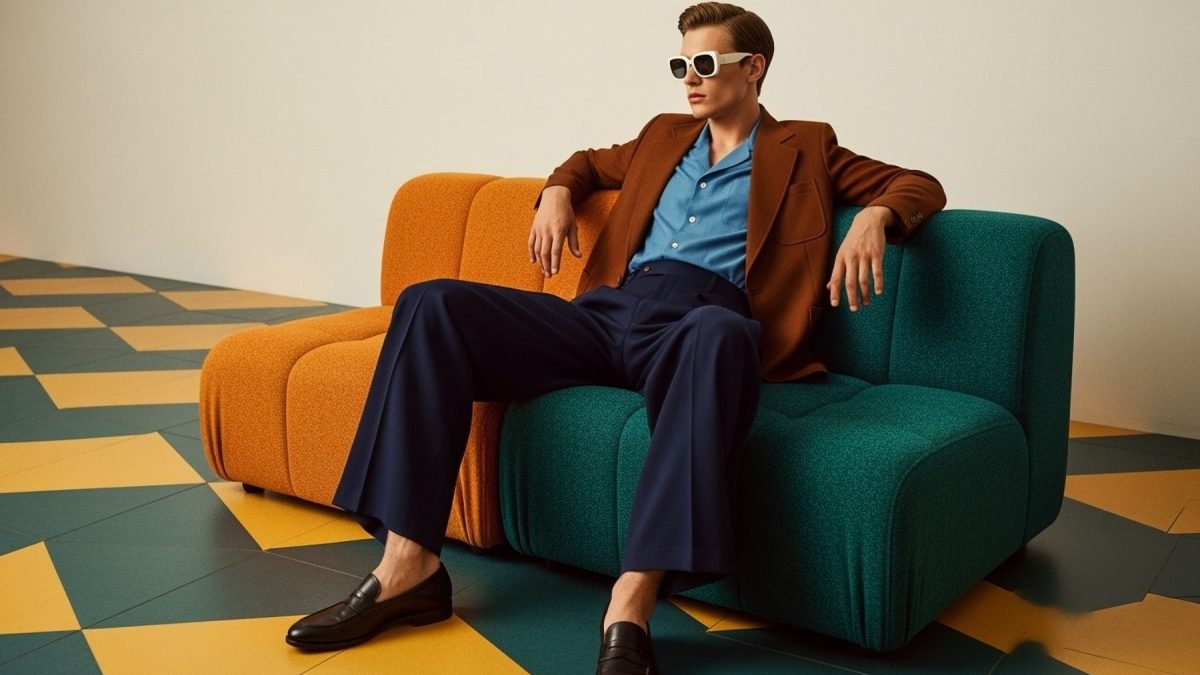
Jonathan Anderson opened his first Dior collection with cargo shorts cut so wide they looked like a skirt, and that single look set the tone for menswear in 2026. The year’s surprises are not small tweaks to a lapel. Designers have pushed proportion, length, and texture in directions that would have looked like costume a few seasons back. Some of it will stay on the runway, but a fair amount is already in stores and on the sidewalk, and most of it trades visible flash for quiet restraint.
The Oversized Silhouette
The dominant story of 2026 is size. Cargo shorts have returned in an ultra-large, A-line cut, the kind Anderson showed at Dior and that several houses echoed within weeks. Shirts have grown long enough to look like dresses, from Vivienne Westwood’s extended rugby shirt to Prada’s workshirts that fall well past the thigh. The cutting room has prioritized ease, with soft shoulders, loose trousers, and layered looks built for comfort replacing the slim tailoring that ruled the last decade. Even the jumpsuit has entered the menswear vocabulary, shown in clean lines and structured fabrics, no longer treated as a novelty piece. The overall message from the shows is that proportion does the talking this year, with embellishment kept to a minimum. Oversized menswear has moved from a niche runway experiment to one of the defining fashion trends for men in 2026.
Comfort as the Organizing Principle
The loose cuts are not an accident of taste. Comfort has become the value designers build around, the lasting result of years when men dressed for the couch and decided they preferred it. The difference in 2026 is that ease no longer means sloppiness. Designers have learned to make a relaxed garment look intentional, with dropped shoulders that are cut rather than collapsed and wide trousers that still hold a crease. The result is a wardrobe that moves easily and still looks considered. A man can wear a roomy shirt and wide trousers and still look put together, which is the quiet technical achievement underneath the whole trend.
Grooming as Part of the Look
Clothing is only half of how a man presents in 2026. Grooming has moved back into the fashion conversation, and the most-debated choice is still having a beard or being clean-shaven. Designers have leaned toward a groomed, deliberate face to match the cleaner tailoring, which means the unkempt lumberjack beard of the late 2010s has faded from the front rows. The face is treated as part of the outfit now, styled with the same intent as the clothes around it. Modern men’s fashion trends increasingly treat grooming and clothing as part of the same overall presentation.
The Retreat From Streetwear
The biggest surprise of the year is what designers walked away from. Streetwear, which dominated menswear for a decade, has lost its grip on the major runways. The menswear trends that replaced it point toward what observers call modern academia, a turn led by Dior, Ralph Lauren, and Zegna. Messenger bags, oversized knits, pleated trousers, and a generally bookish polish have taken the place of hoodies and hype-drop sneakers. The look is older and quieter, aimed at a man who wants to appear settled and done with chasing the latest collaboration.
The Accessory Story
Accessories followed the clothes back to a calmer register. The messenger bag has returned as the bag of the year, edging out the backpack for men who want to look like they carry papers for a living. Totes and soft leather briefcases appeared across the academia-leaning collections, and the point of each is the same, a bag that suggests work and order. Hardware shrank, logos faded, and the materials turned to leather and waxed canvas in muted browns and tans.
The Outerwear Comeback
Fall and winter collections put outerwear back at the center of the wardrobe. The trench coat returned in belted and hooded versions, joined by weather-ready macs, capes, and ponchos that designers presented as everyday pieces. The real surprise is the cape and the poncho, garments most men have never owned, shown as normal options for a winter commute. How well they sell is another question, and their presence signals a willingness to give menswear the range that women’s outerwear has long enjoyed.
Texture and Quiet Luxury
Texture has become the main way designers signal quality without a visible logo. Chunky cable knits, plush cardigans, patterned vests, and corduroy jackets dominated the fall shows under a label some are calling poet core. The same impulse drives the wider move toward quiet luxury, a style built on cloth, cut, and craftsmanship, with branding kept out of sight. Navy, cream, brown, and olive have replaced loud color and logo prints across many of the collections. A man dressing this way is buying fabric and tailoring, and trusting that the people who know will notice the difference. Quiet luxury menswear continues to shape how designers approach modern male style in 2026.
The Facial Hair Verdict
The surprise in grooming is how decisively the data favors the middle ground. Most surveyed women, 58%, prefer some facial hair over a fully shaved face, and among millennial women the figure reaches 71%. A study of more than 8,500 women, led by Barnaby Dixson at the University of Queensland, found heavy stubble rated as the most attractive option, ahead of full beards and bare faces. Full beards scored highest for perceived maturity and parenting ability. The wider picture supports the move. Beards now appear on 44% of men worldwide, up from 29% five years earlier, while clean shaves are staging a comeback among men chasing a minimalist look. The practical reading is that neatness beats the specific style. Women in the research preferred intentional grooming, which means a maintained ten-day stubble outperforms both a patchy beard and a careless shadow.
The Through-Line for 2026
The surprises share a direction. Menswear in 2026 has grown larger, softer, and more textured, and it has stepped back from the logo-driven hype of the 2010s. The cape may never reach the average closet, and the dress-length shirt will stay rare outside big cities. The durable changes are the ones that ask for less attention, the quiet-luxury knits, the groomed face, and the return of real outerwear. A man who wants to look current can skip the boldest item on the runway. Good fabric, a deliberate silhouette, and the patience to keep it all maintained will take him further.
Conclusion
The most surprising men’s fashion trends of 2026 are not built around shock value alone. The larger shift is toward clothing that feels more relaxed, practical, and intentional without losing sophistication. Oversized silhouettes, textured fabrics, refined grooming, and quiet luxury have replaced the louder branding and fast-moving hype cycles that shaped the previous decade. While some runway ideas will remain niche, many of the broader changes are already influencing everyday menswear. The direction of modern men’s fashion now favors comfort, craftsmanship, and confidence over constant attention, which may prove to be the most lasting trend of all.