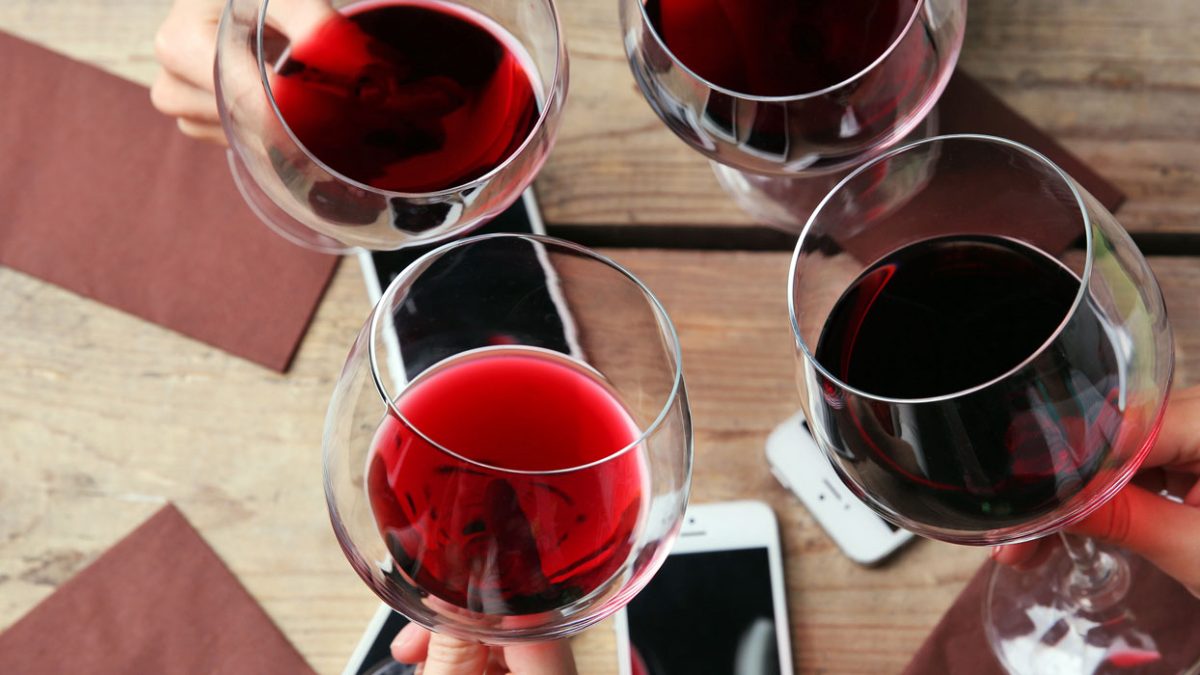
You’re at the dinner table of your favorite restaurant when it happens. Your very cute date looks at you expectantly across the table as the sommelier approaches and says, “Are you interested in a bottle?” Panic sets in as you tackle the diner’s dichotomy—go cheap to save on dinner or splurge to impress the date? The list is a small encyclopedia full of names you can’t pronounce from regions you’ve never heard of. Your date probably knows exactly what you are going to do–choose the second least expensive bottle of wine–so you reach into your bag of tricks and go for broke. You choose the third least expensive wine on the list (win-win!) and settle in for your meal, triumphant. Avoid this situation next time with a few things you should look for on a restaurant’s wine list when choosing a bottle.


1.Variety, Variety, Variety.
Say it with us now. A great wine list is going to feature a variety of wines that present a balanced approach to the menu. Seeing a range from full-bodied red varietals to a sweet Moscato? It’s probably a good sign that the sommelier is considering all of the different pairings that could work well with the menu. When in doubt, ask your server about which wines go best with which dishes – if they have a quick answer, then the restaurant has clearly given their list a lot of thought.
If you prefer a sweeter wine, a Riesling (Cavit) is typically your safest choice, as they’ve been known to pair well with virtually all foods. For those that desire a drier wine, Cabernet Sauvignon (Santa Rita) matches well with red meats, spicy sauces, and cheeses, while a Sauvignon Blanc (Yealands) will work well with seafood, poultry, or salads.

2.Know Your Geography.
Check out the regions the wines hail from. Wines from California are great, but an overabundance of options from one region can leave the flavors in your meal a little one-note. As a rule of thumb, there should be wines from all over the world available – check off French (Jean-Luc Colombo), Italian (Cavit), Californian (Au Contraire, New Zealander (Yealands), and South American (Santa Rita) for starters. Wines from different regions tend to grow specific kinds of grapes, which results in a unique flavor, acidity, and character that will be hard to recreate elsewhere.
For a little bit more on wine regions, be sure to check out Cavit Know Your Wine: Region Video!
When making your choice, take a peek over at the food menu as well. If you’re planning on ordering a pasta dish, a bright Italian Pinot Grigio will likely pair best. In other words, keep it local. Coq au Vin tastes best with French wine and tapas will always taste better with Spanish wine, so stay consistent.

3. Story Time.
Once upon a time, your wine was a bunch of grapes hanging out in a beautiful vineyard on a hill somewhere. If your wine list gives you details about the family that produced the wine, what their history regarding the vineyard or region is, or other fun facts, it’s a good sign that the restaurateurs have done their research. However, wine lover be warned! A good story doesn’t mean the wine itself will be good – make sure you do a little research or ask your somm for a taste from an already opened bottle so you know what you’re getting yourself into before you commit to an order.

4. The Price is Right.
A solid wine list is going to have a variety of price points. We all know that you&amprsquore going to be offered a bottle of wine that is in a mid-to-high price point, because at the end of the day the restaurant needs to make a buck. If the sommelier put it on the list, they definitely approve of it, no matter what the price point. Go ahead and get the second cheapest (or third) option on the list. If it’s a good restaurant with a good pairing with its list of wines, you’re almost always going to be guaranteed a good choice. Plus, the most expensive choice isn’t always the best anyway. Yeah, you can feel smug now.

5.Trust Your Sommelier.
A total no-brainer, but sommeliers are not utilized for their magical wine knowledge nearly enough. Sommeliers are professionals and experts in their field, which is why asking them will help grow your knowledge rather than make you look foolish. These guys live and breathe wine. Let them teach you something new – and you never now, you might find something you’ll love!