The eighth-generation Lexus ES arrives with all-electric powertrains and a sharper design language aimed at a new — and much younger —generation of luxury buyers.
For decades, the Lexus ES has been the quiet achiever of the luxury sedan world, but at Lexus’ recent National Press Preview in San Diego, the redesigned 2026 ES felt like something of a shift for the brand. Longer, sleeker, and electrified for the first time, this eighth-generation model feels less like a routine refresh and more like Lexus rethinking one of its most important cars.
The ES has quietly become one of the most important vehicles in the Lexus lineup. And after spending time around the redesigned ES Line — alongside an early look at the upcoming TZ SUV — it’s clear the brand is moving toward a more design-conscious and electrified future.
A More Spacious ES
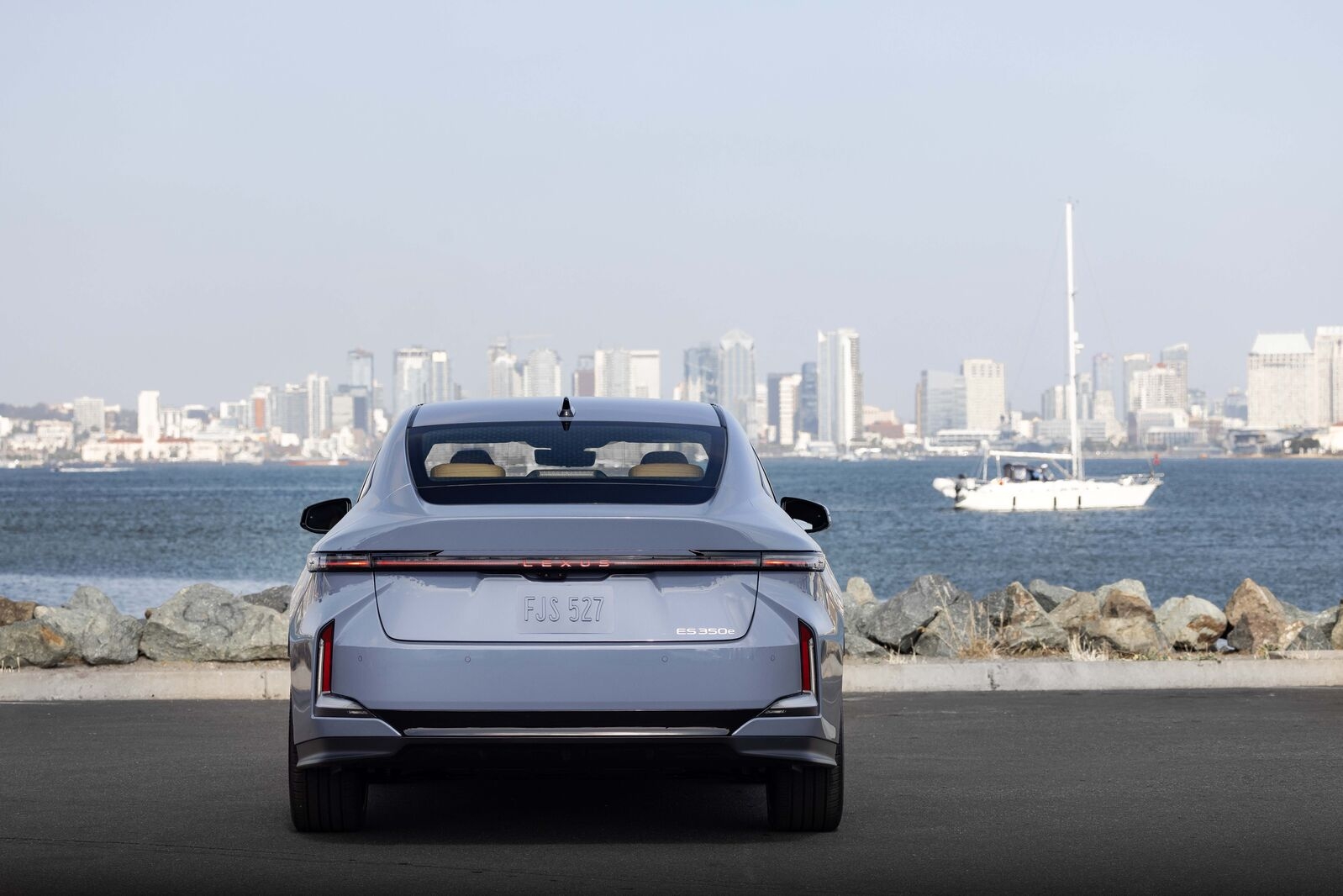
The first thing you notice is the size. The ES is larger in nearly every direction—over three inches longer in wheelbase and 6.5 inches longer overall. The result is a more spacious cabin, especially in the back seat, with 1.4 inches more rear legroom. Seating positions sit slightly higher, too, which makes getting in and out feel easier and more natural.
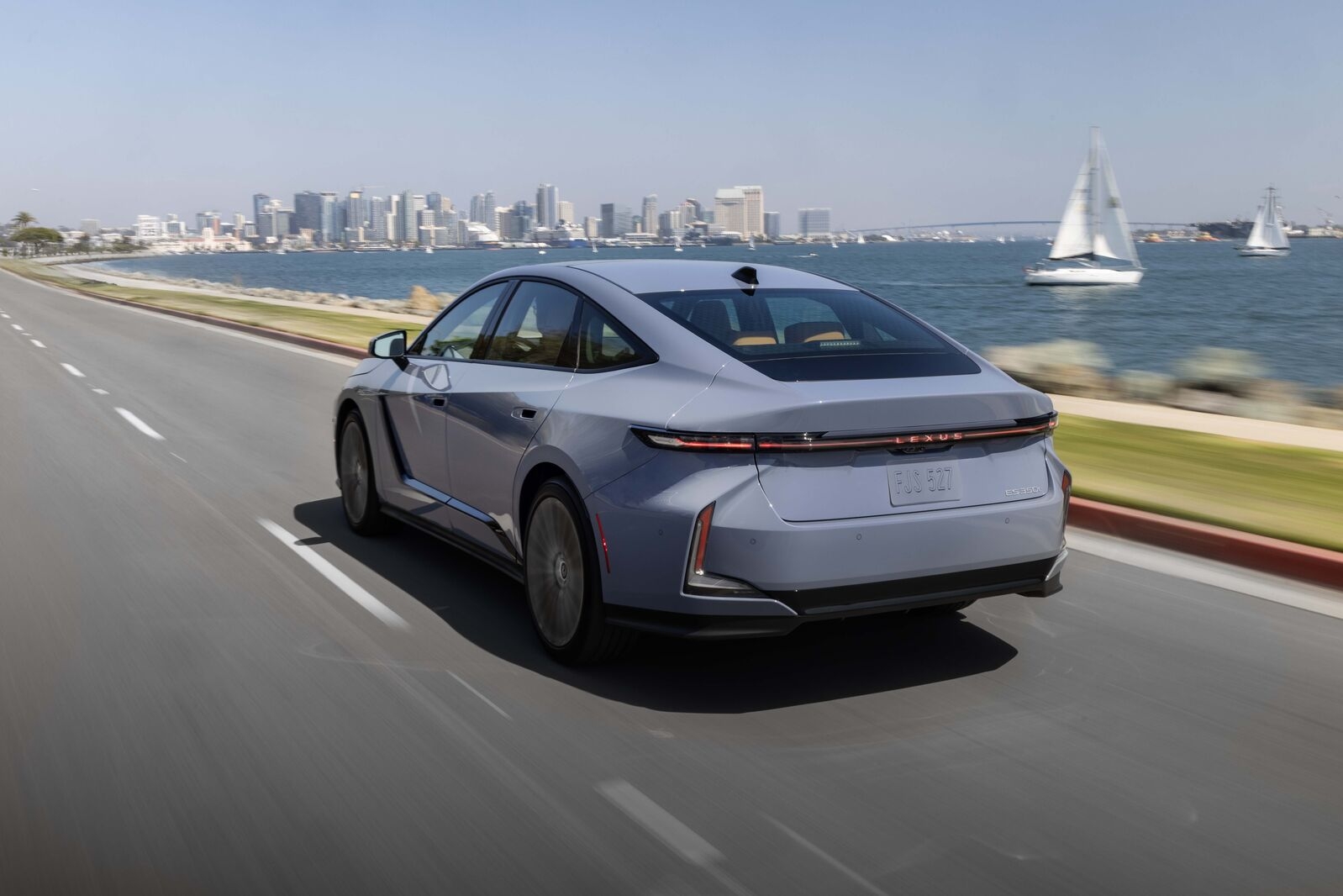
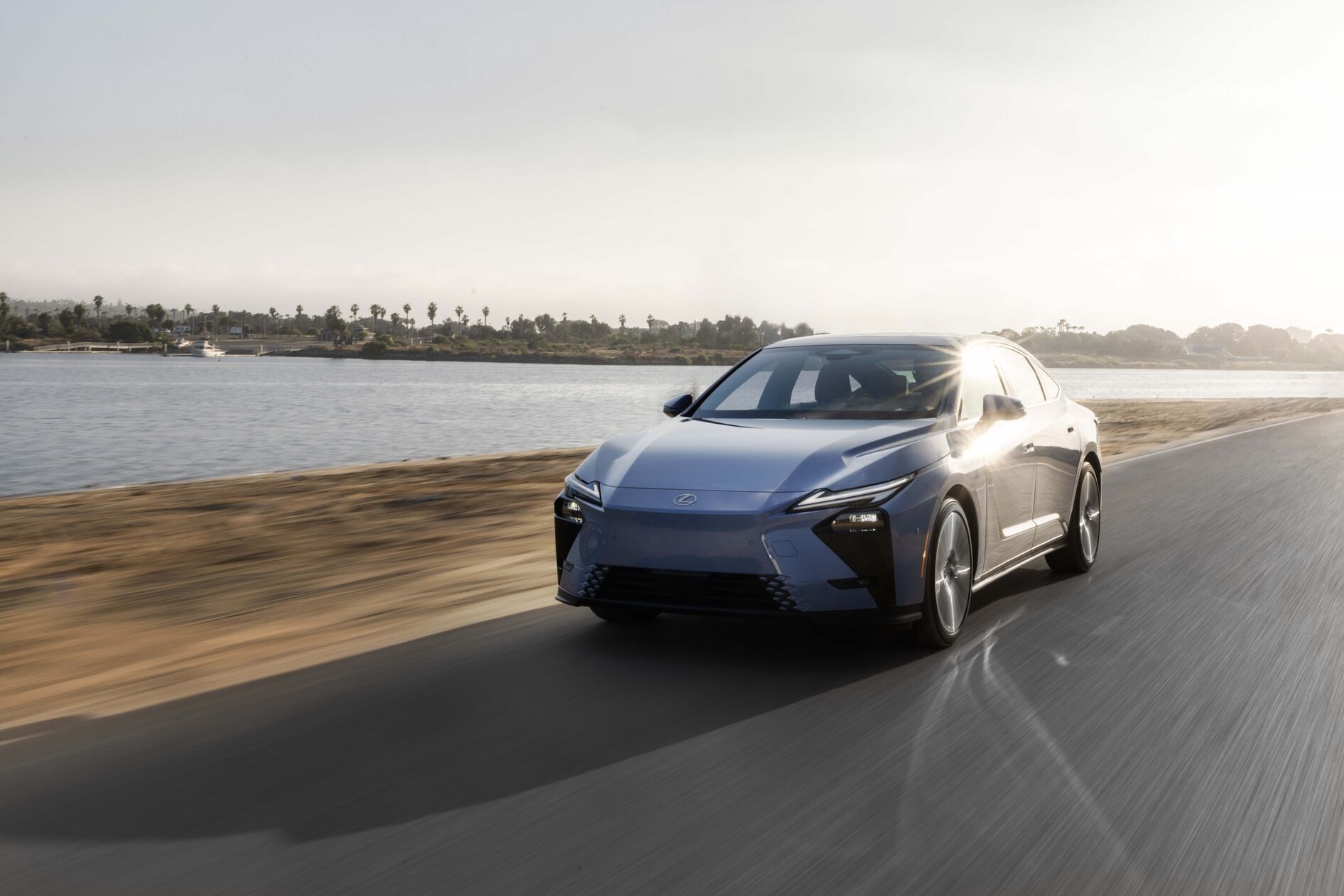
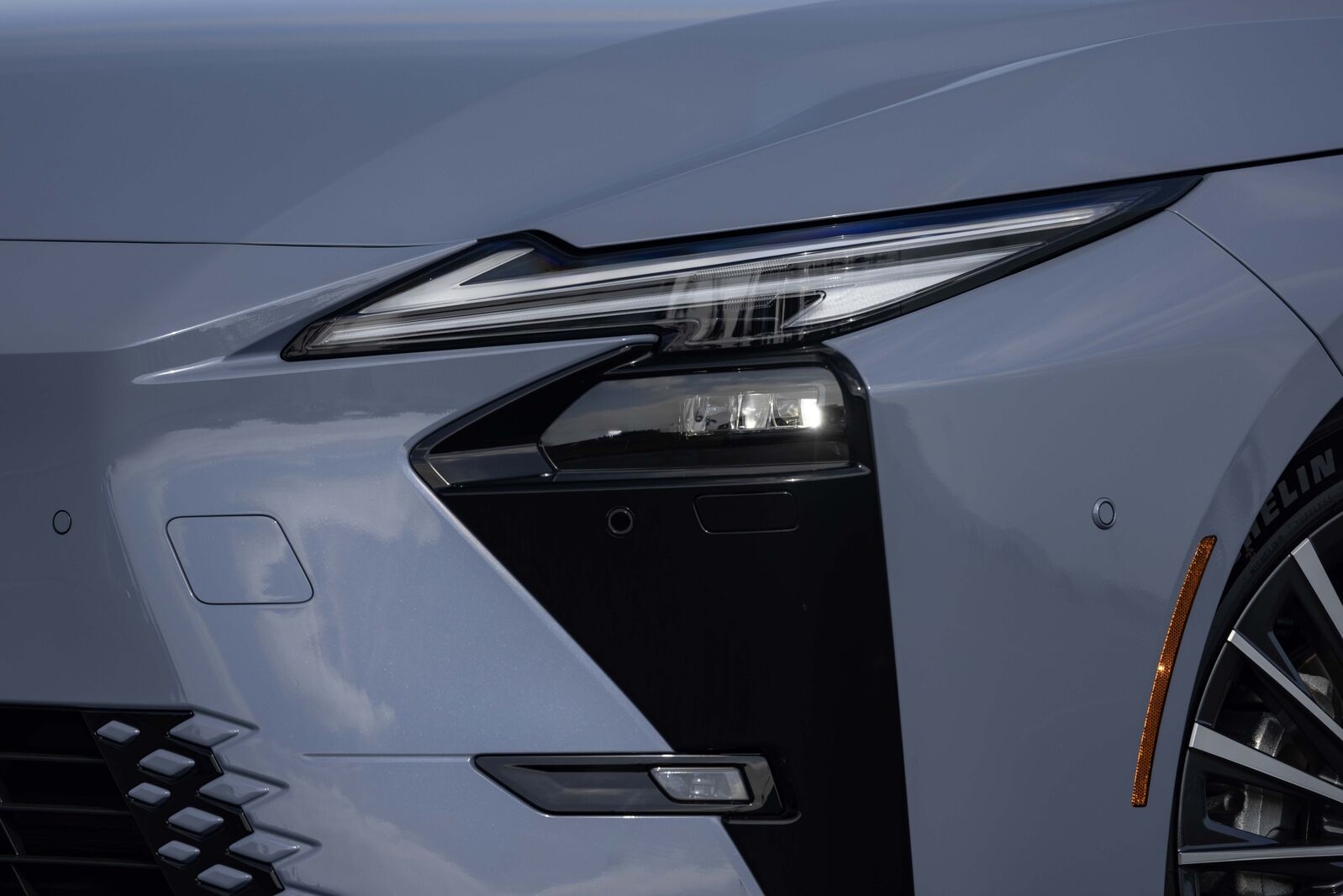
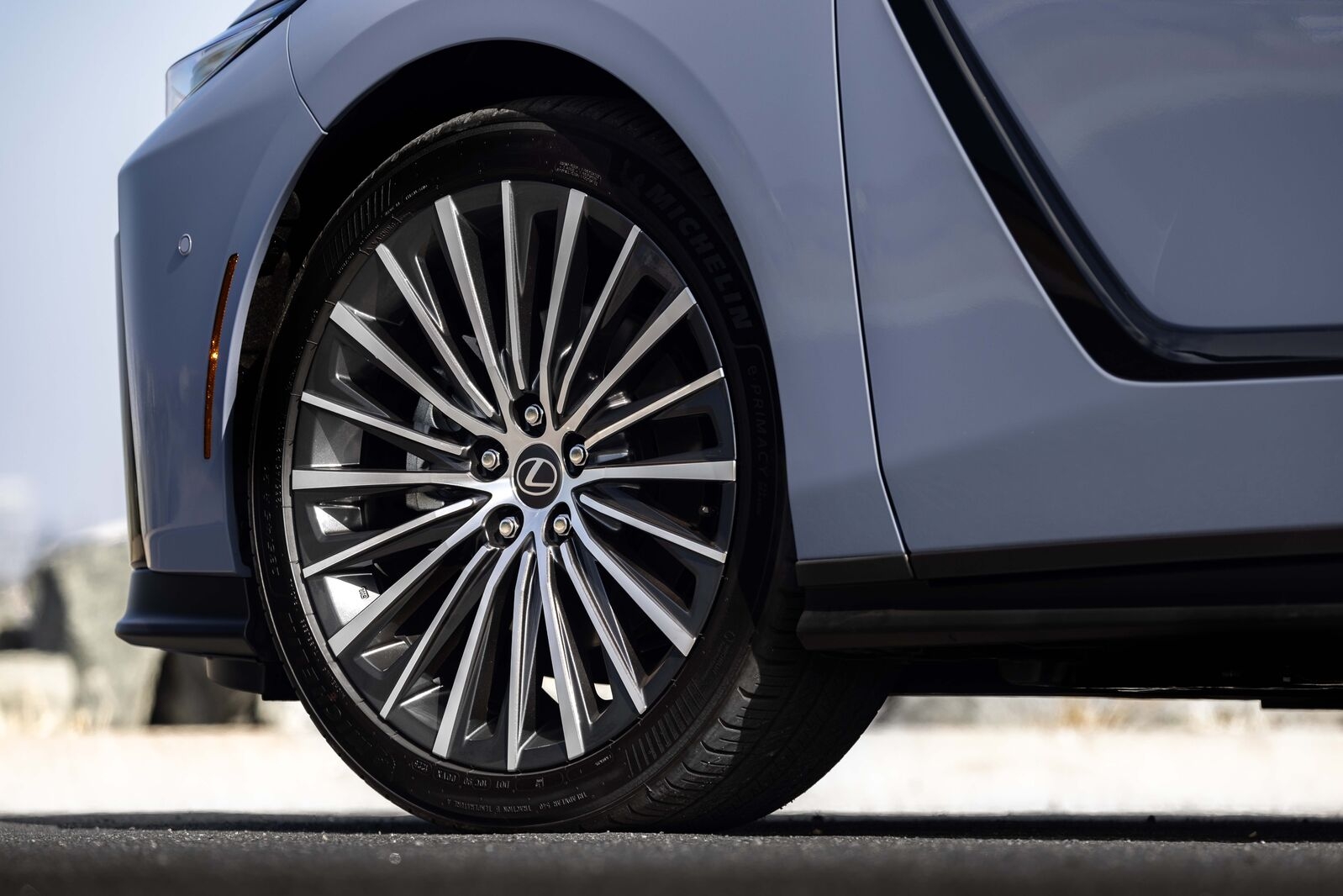
The redesign, inspired by the LF-ZC concept, also brings slimmer lighting and smoother surfacing. A sleek, full-width rear light bar and illuminated Lexus logo now feature prominently. The spindle grille hasn’t disappeared entirely, but it’s been toned down and integrated more naturally into the front end. The new ES also feels more confident in its use of color. Familiar shades like Caviar and Cloudburst Gray remain, but Copper Crest adds warmth to the lineup while vivid blue Wavelength, paired with a Palomino semi-aniline leather interior, is especially striking.
Inside the New ES
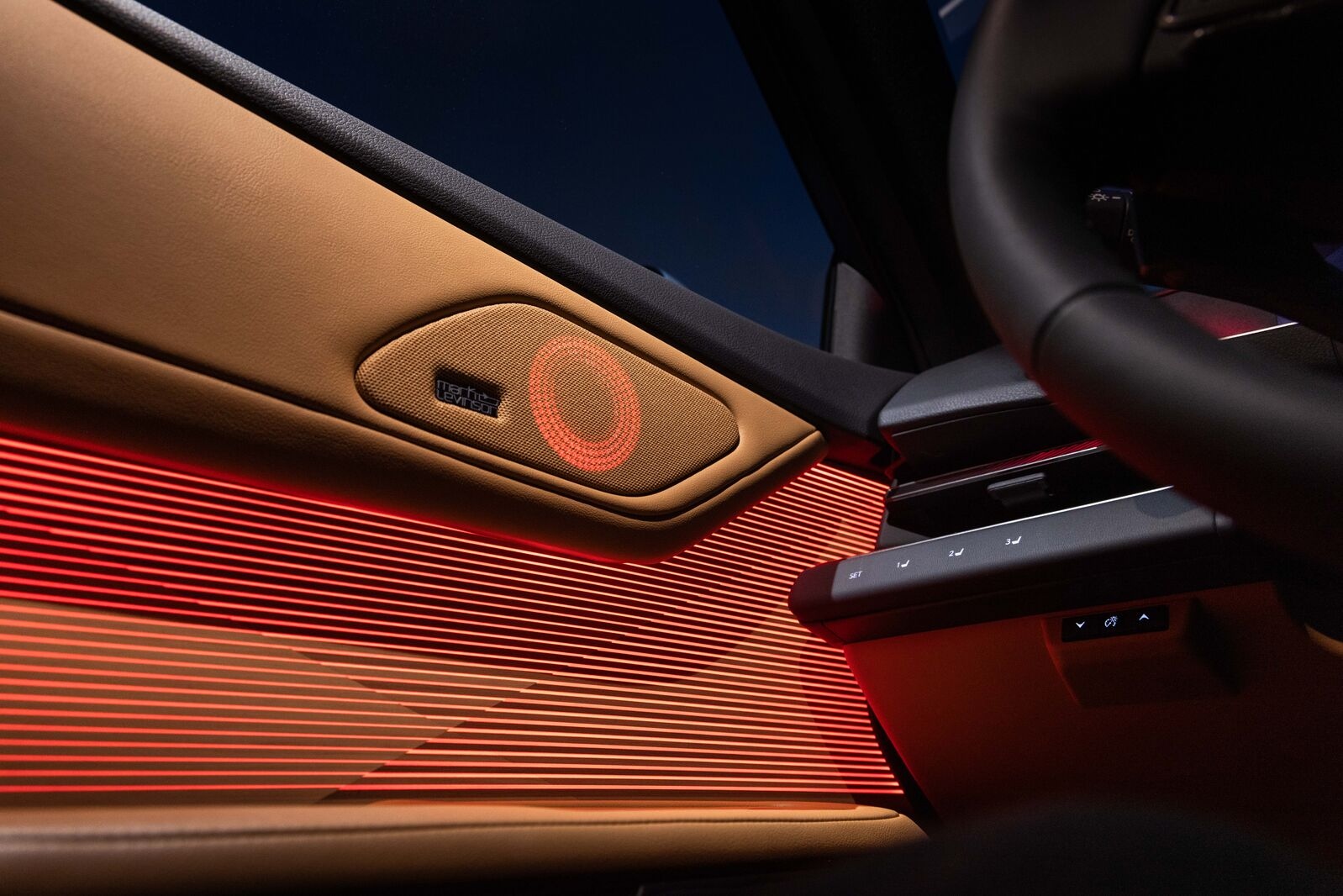
The new ES interior pairs minimalist surfaces with soft-touch materials and layered bamboo trim across the doors and dash that softly illuminates at night with thin ribbons of ambient lighting woven through the cabin, including the speaker grilles. Lexus has also added more technology without making the interior feel overly complicated.
Every ES now features a new 14-inch touchscreen and a 12.3-inch digital driver display, while customizable drag-and-drop widgets help organize go-to features such as navigation, weather, and drive modes. The layout remains refreshingly straightforward. Wireless Apple CarPlay, over-the-air updates, dual Bluetooth connectivity, and an available 17-speaker Mark Levinson sound system modernize the experience without overwhelming it.
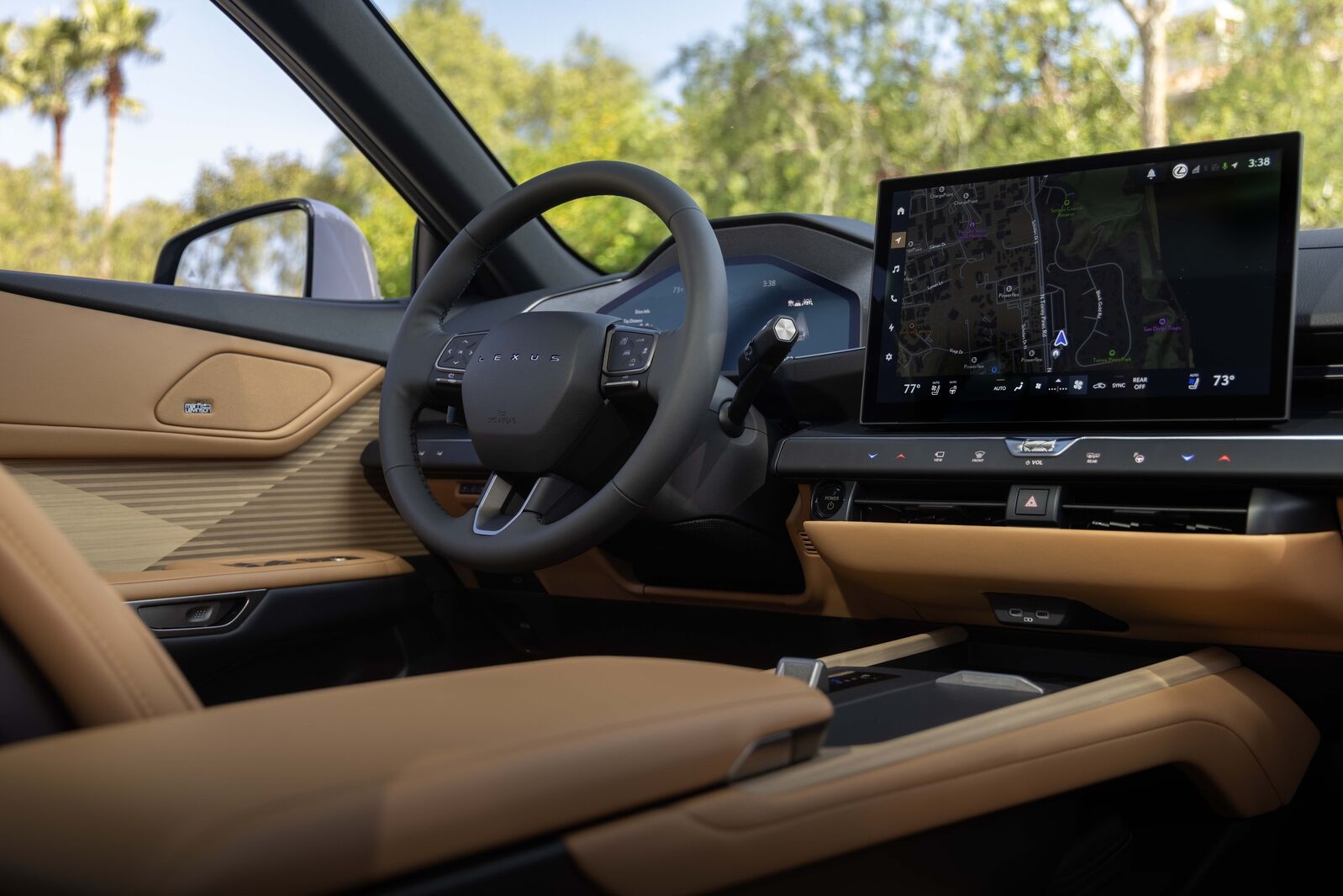
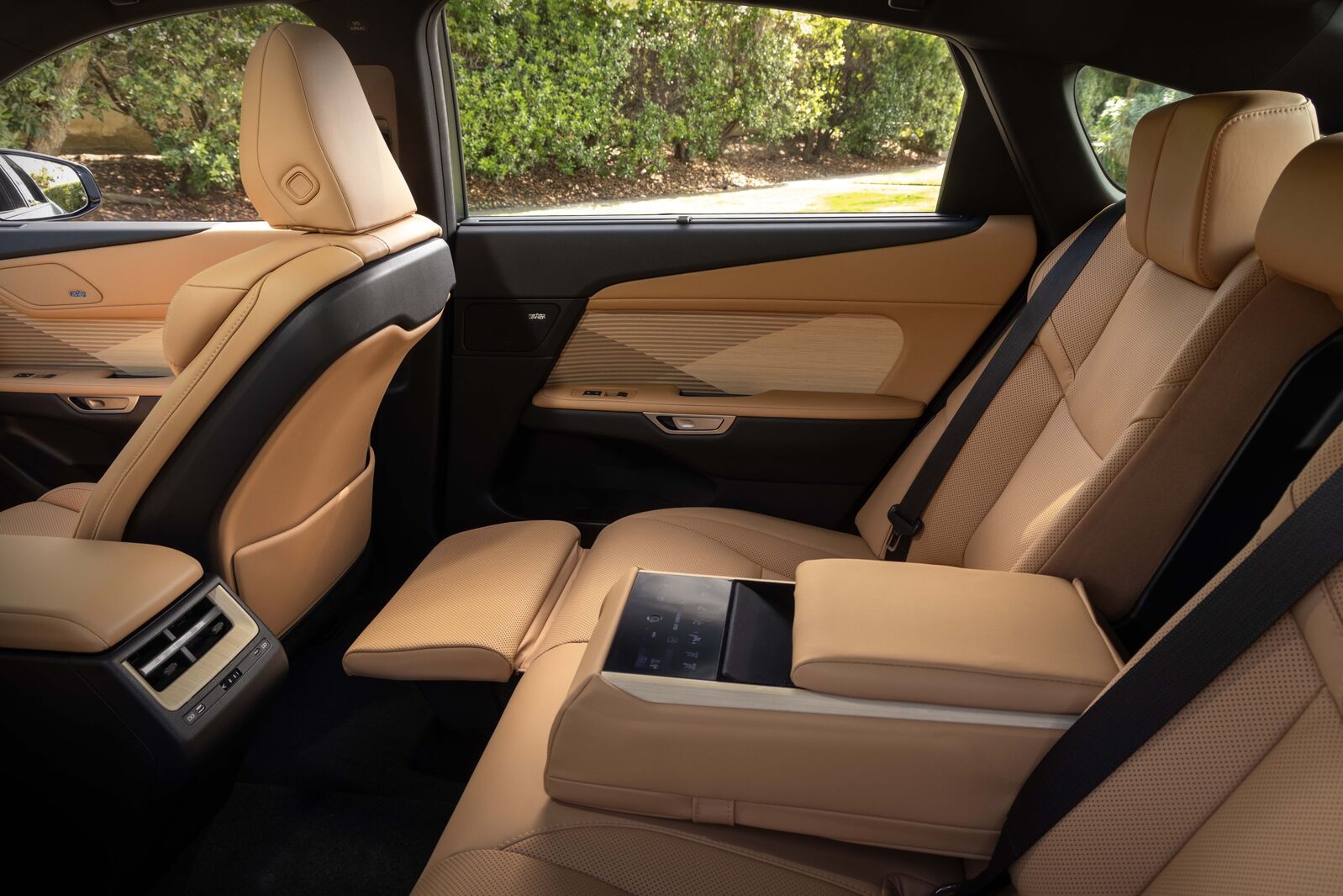
For drivers who opt in, Drive Connect uses cloud-based navigation and Google points-of-interest data to make route planning feel faster and more up to date, particularly when traffic conditions change mid-drive. But the biggest surprise may be the rear seat.
Available only on the ES 350e Luxury trim, a new Executive Package turns the back seat into something like a chauffeured lounge. It includes reclining seats, massage functions, heating, ventilation, plush headrests, and even an ottoman for the rear passenger.
Entering the Electric Sedan Era
For 2026, Lexus will introduce the first battery-electric ES models in the sedan’s history. The front-wheel-drive ES 350e and all-wheel-drive ES 500e use a new platform. This platform supports both hybrid and EV powertrains, an approach that feels very Lexus. Some luxury automakers have gone all-in on EVs. Lexus appears to be taking a more measured approach, offering buyers several paths to electrification rather than imposing a single vision of the future.
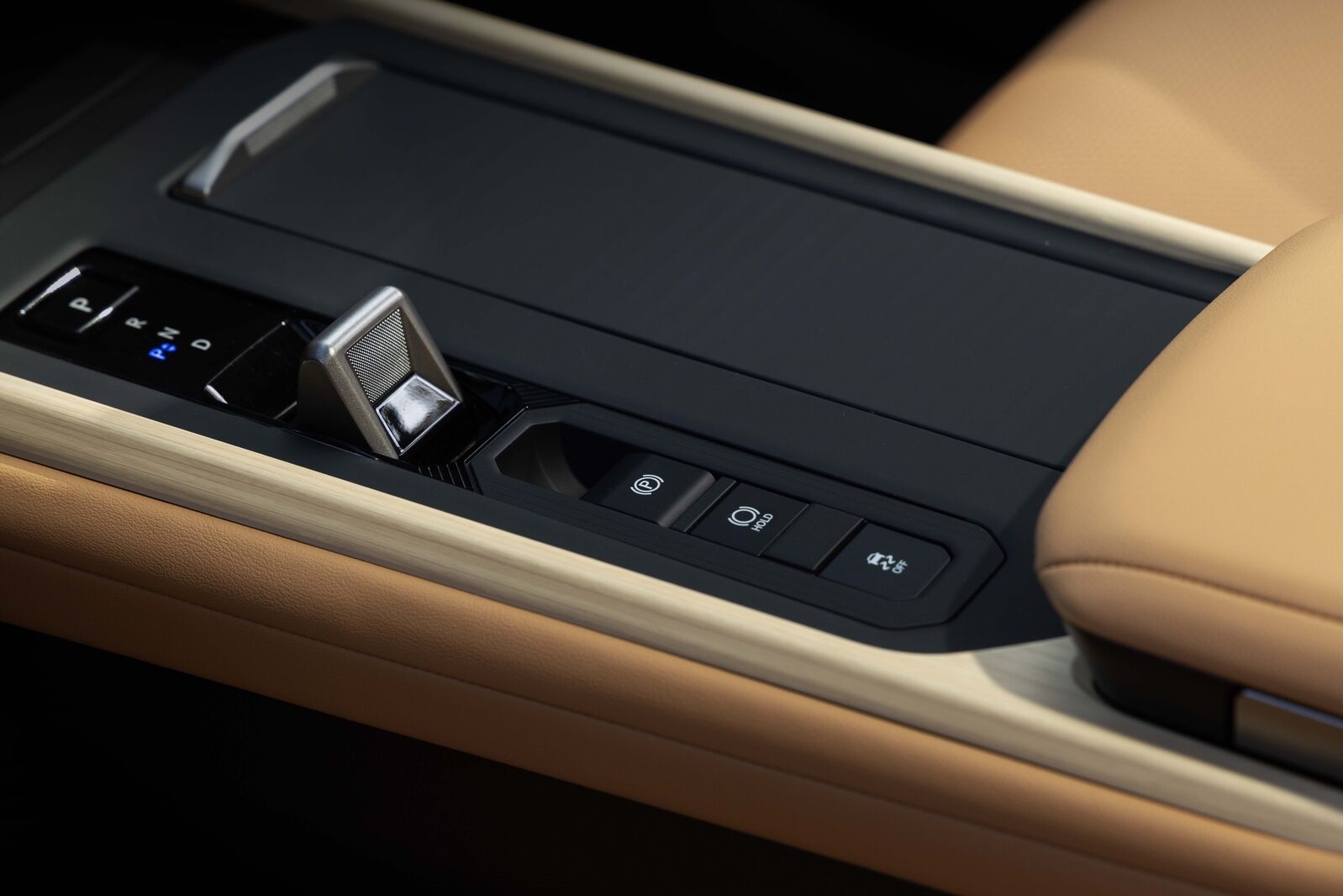
The ES 350e features front-wheel drive, delivering an estimated 307 miles of range with a single motor. The ES 500e, on the other hand, comes with all-wheel drive, powered by dual motors that produce 338 horsepower and achieve an estimated 0–60 mph time of 5.1 seconds. Both models include NACS charging ports and fast charging, enabling the battery to reach 80 percent from 10 percent in about 28 minutes under ideal conditions.
A Lounge on Wheels
Alongside the redesigned ES, Lexus also previewed the upcoming all-electric TZ, the brand’s first three-row EV SUV. Developed around what Lexus calls a “Driving Lounge” concept, the TZ places a heavy emphasis on space, quietness, and passenger comfort, with second-row captain’s chairs, available ottomans, an expansive panoramic roof, and sustainable interior details including Forged Bamboo trim sourced from Shikoku Island in Japan’s Seto Inland Sea. Head-turning new exterior color Shaded Ivy — a muted metallic green — further reinforces the calmer, more design-led direction Lexus appears to be taking with the vehicle.
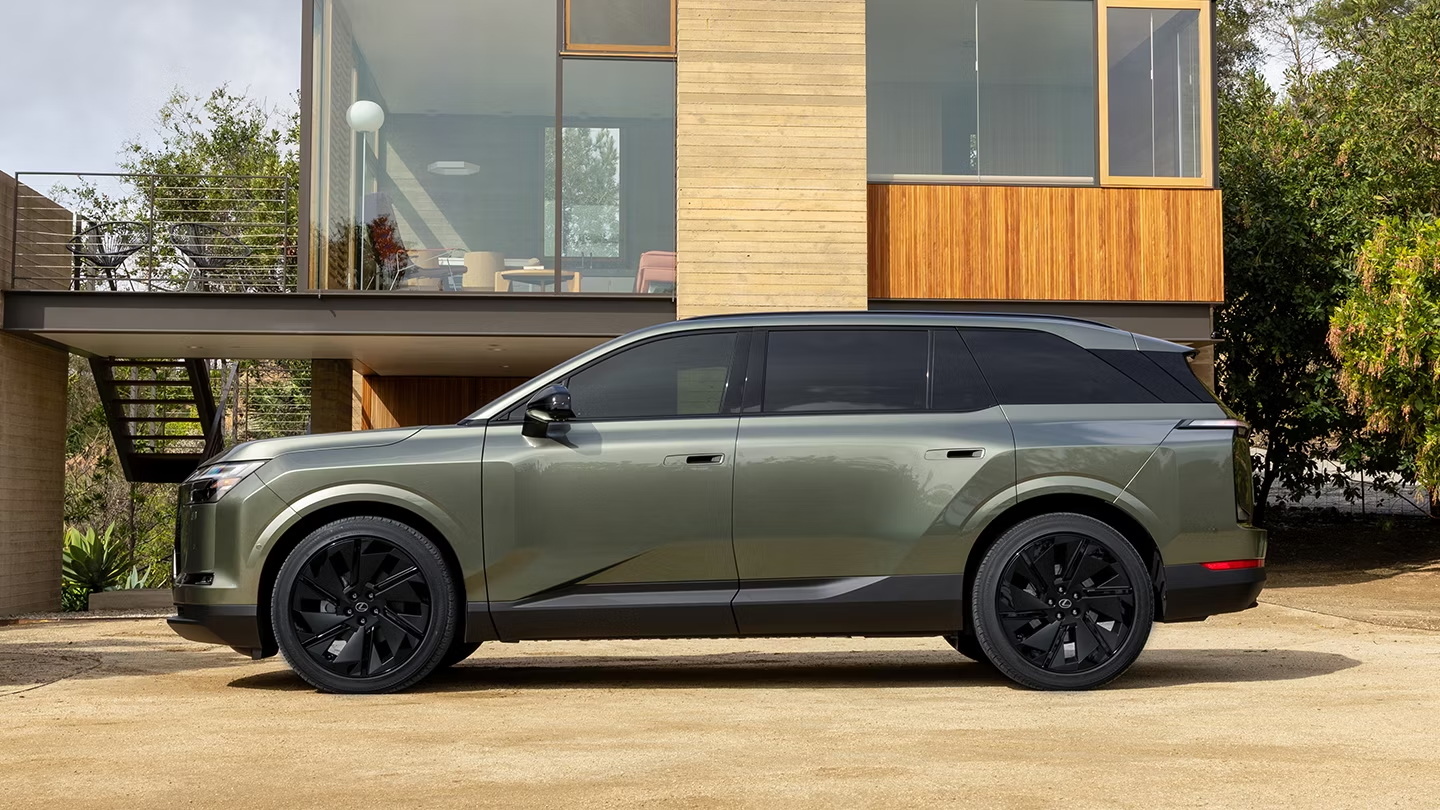
Lexus says select models will offer an estimated 300 miles of range, while standard all-wheel drive and available rear-wheel steering aim to make the large SUV feel more composed and maneuverable on the road. Expected to arrive in late 2026, the TZ feels less like a traditional family SUV and more like Lexus translating its longstanding hospitality-focused approach into the EV era.
Lexus as a Lifestyle Brand
Lexus has spent the past few years showing up in places you might not traditionally expect an automaker to be — from Art Basel Miami to EXPO Chicago. Alongside the vehicles themselves, the brand has increasingly leaned into art, fashion, and experiential design as part of a broader shift toward positioning Lexus as a modern luxury lifestyle brand rather than simply a car company.

One example is their year-long collaboration with artist Alex Alpert, whose flowing line work recently transformed a Lexus IS 350 F SPORT into a rolling contemporary art piece. During NYCxDesign this year, Lexus also partnered with designer Denise Fócil of the fashion label AS by DF and invited guests behind the scenes at Calty Design Research to better understand the thinking and craftsmanship that shape the brand’s vehicles.
That evolution also reflects the audience Lexus says it’s increasingly attracting. Younger buyers are discovering the brand through models like the IS 350, while the expanding EV lineup appeals to drivers drawn to electrification, technology, and cleaner, more contemporary design.
Why the ES Still Matters
For years, Lexus has occupied a lane of its own among rivals. The brand is less obsessed with lap times and badge flexing, and more focused on comfort, build quality, and reliability, which owners quietly appreciate even after 150,000 miles. That’s part of what makes the new ES interesting. Instead of changing completely for the EV era, Lexus seems to be refining the qualities that made it successful. Now those traits come wrapped in sharper design, better technology, and a more contemporary feel. More considered than attention-seeking, this restraint might benefit Lexus in a market crowded with oversized screens, aggressive styling, and endless notifications.
All images courtesy of Lexus North America.