
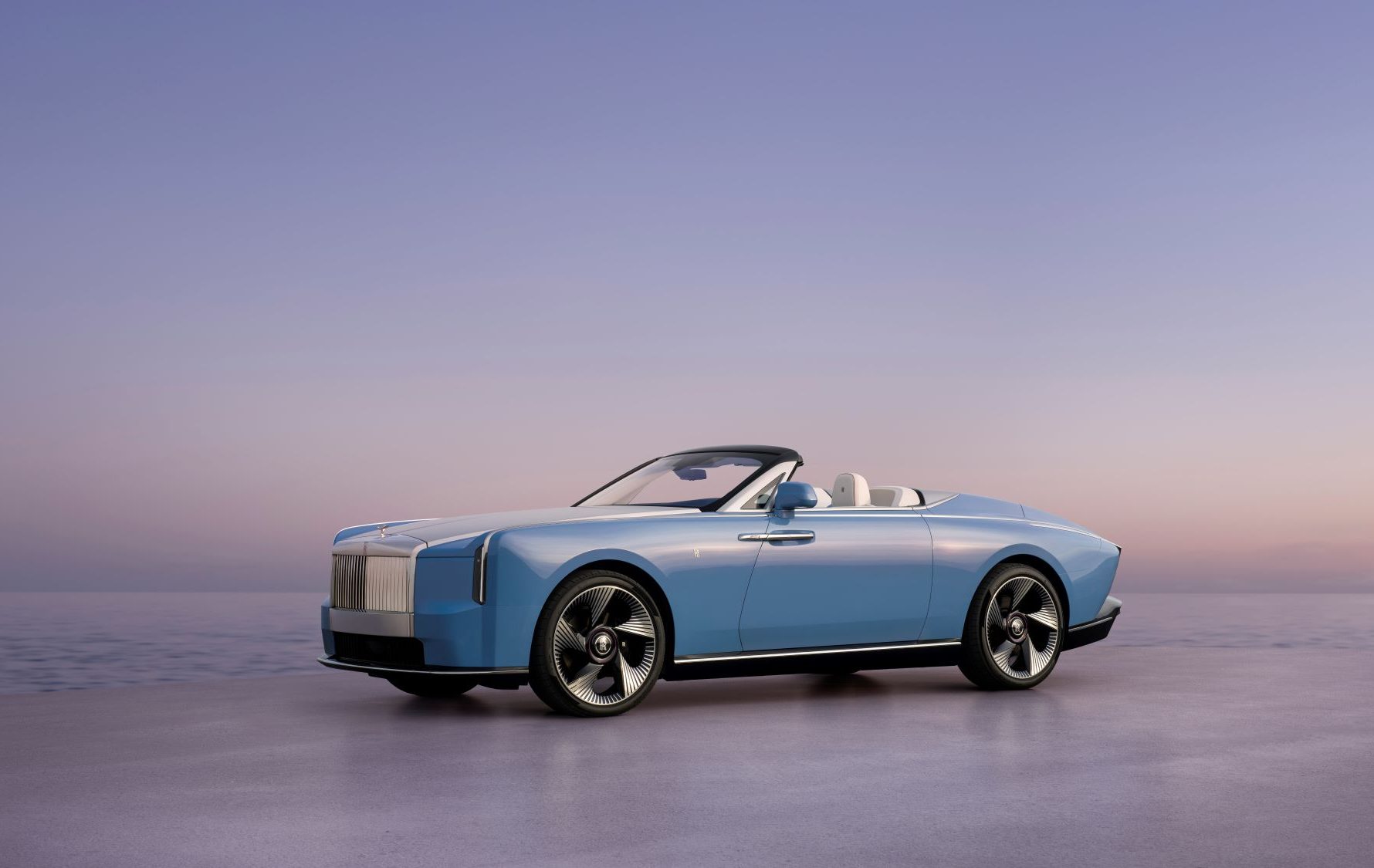
Rolls-Royce elevates the conversation around luxury motoring with Project Nightingale, a bold new entry in its ultra-exclusive Coachbuild Collection. More than a car, this fully electric two-seat grand tourer is a striking expression of design, craftsmanship, and innovation, where sculptural form meets near-silent performance. With just 100 examples planned, Project Nightingale captures the marque at its most ambitious, blending Art Deco inspiration with a forward-looking vision of modern luxury.
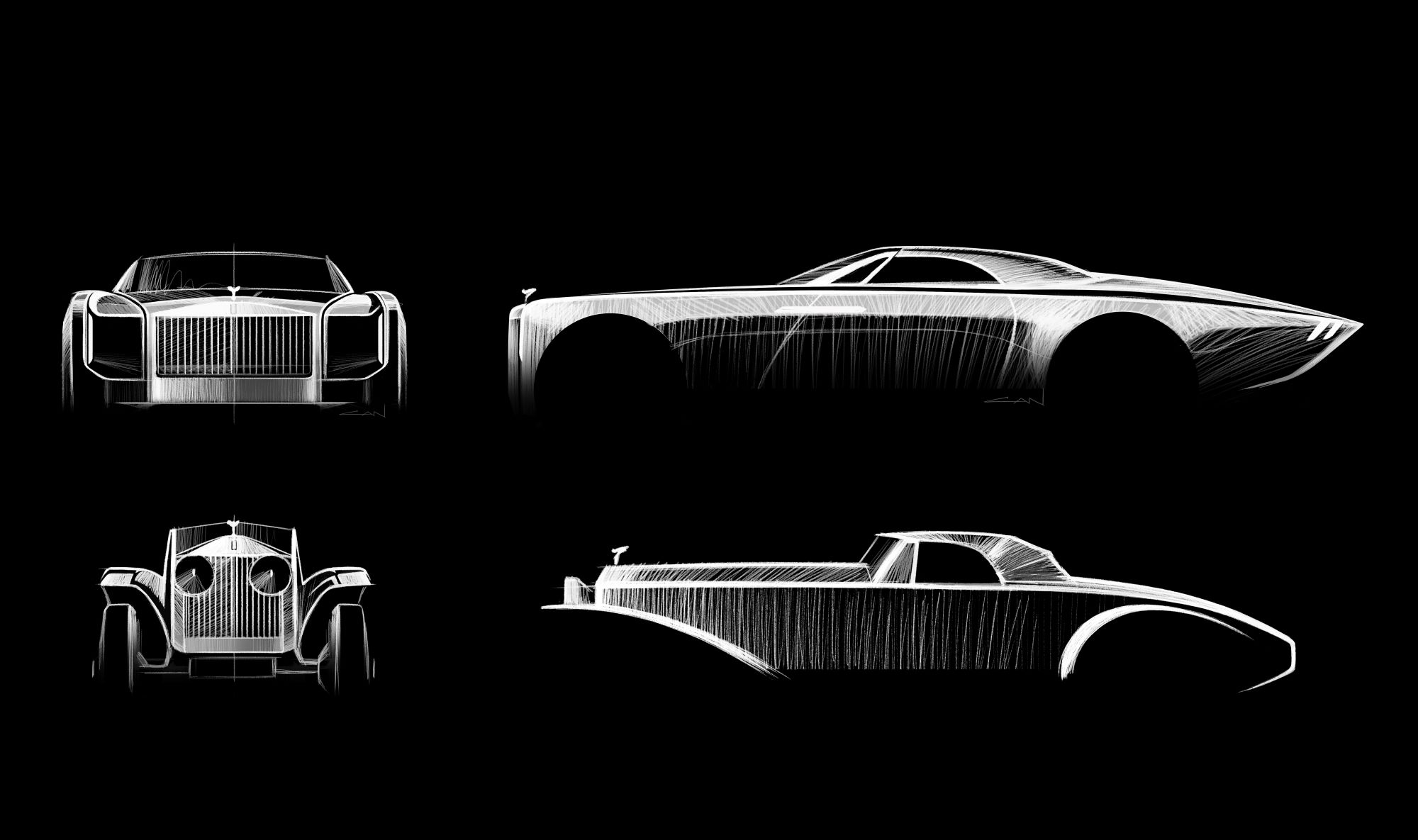
The exterior design is arguably the most compelling aspect of the concept. Freed from the constraints of a traditional combustion engine, the front fascia becomes an exercise in restraint and surface purity. The enlarged Pantheon grille, carved to appear as a solid block of steel, anchors the design, while the integration of the Spirit of Ecstasy into the flowing bonnet adds a sense of motion even at rest. Rolls-Royce’s designers emphasize uninterrupted lines and visual calm, and for the most part, they succeed, though one could argue the sheer scale of certain elements borders on theatrical excess.
In profile, the “central fuselage” concept takes over, with a yacht-inspired silhouette that stretches dramatically from bonnet to tail. The cabin appears almost incidental, tucked deep within the bodywork, reinforcing the idea that this is a machine defined by its volumes rather than its occupants. It’s a bold, almost architectural approach, one that may appeal strongly to the design-literate clientele Rolls-Royce is clearly targeting, but could feel alien to those expecting more traditional automotive balance.
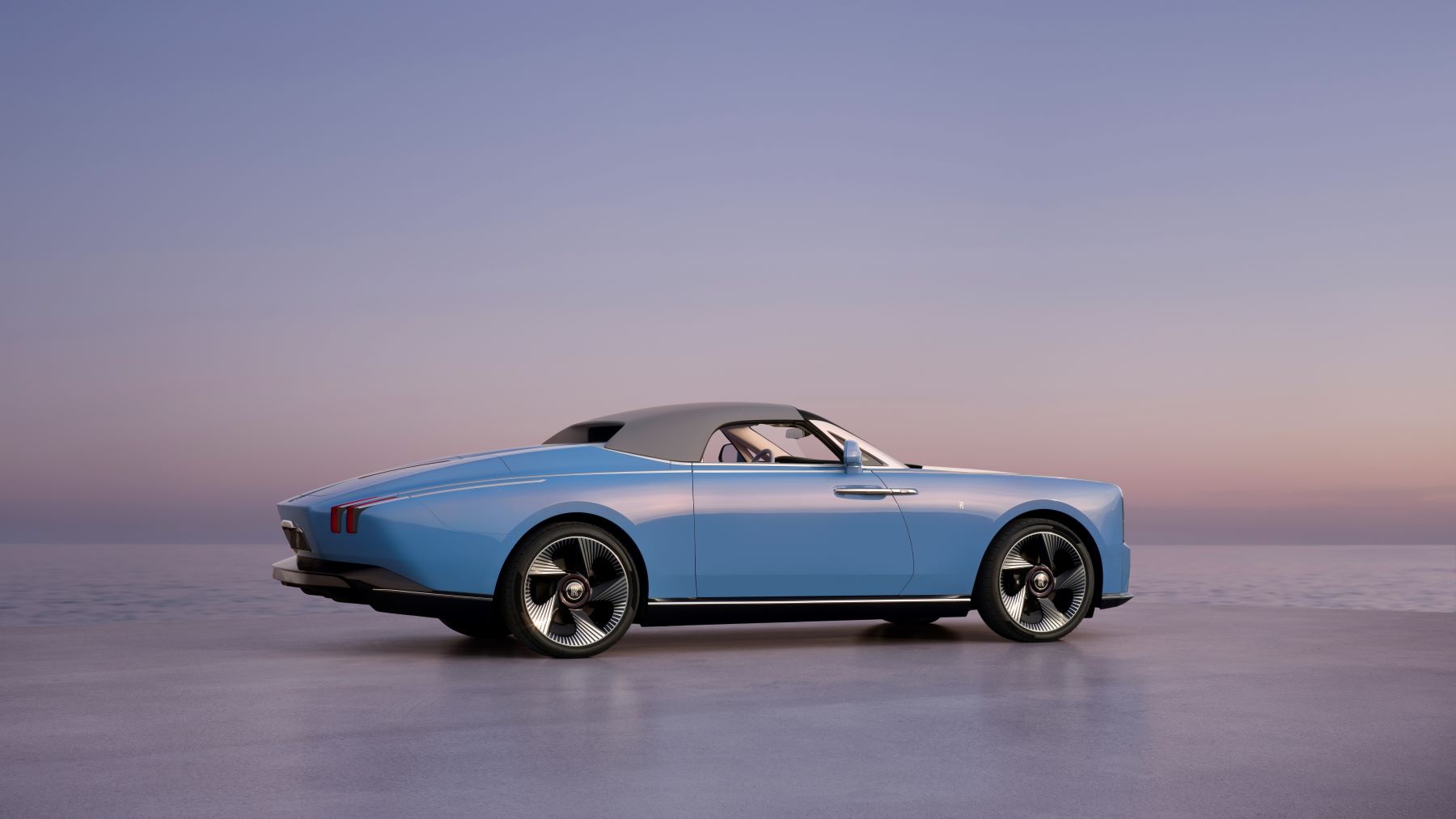
Details, as expected from the marque, are obsessively considered. From hidden door handles to stainless-steel bands running the length of the body, the design language favors subtlety over ornamentation. Even the 24-inch wheels, massive by any standard, are treated as kinetic sculptures, referencing yacht propellers in motion. It’s this level of narrative layering that elevates the project beyond mere transportation into the realm of collectible design.
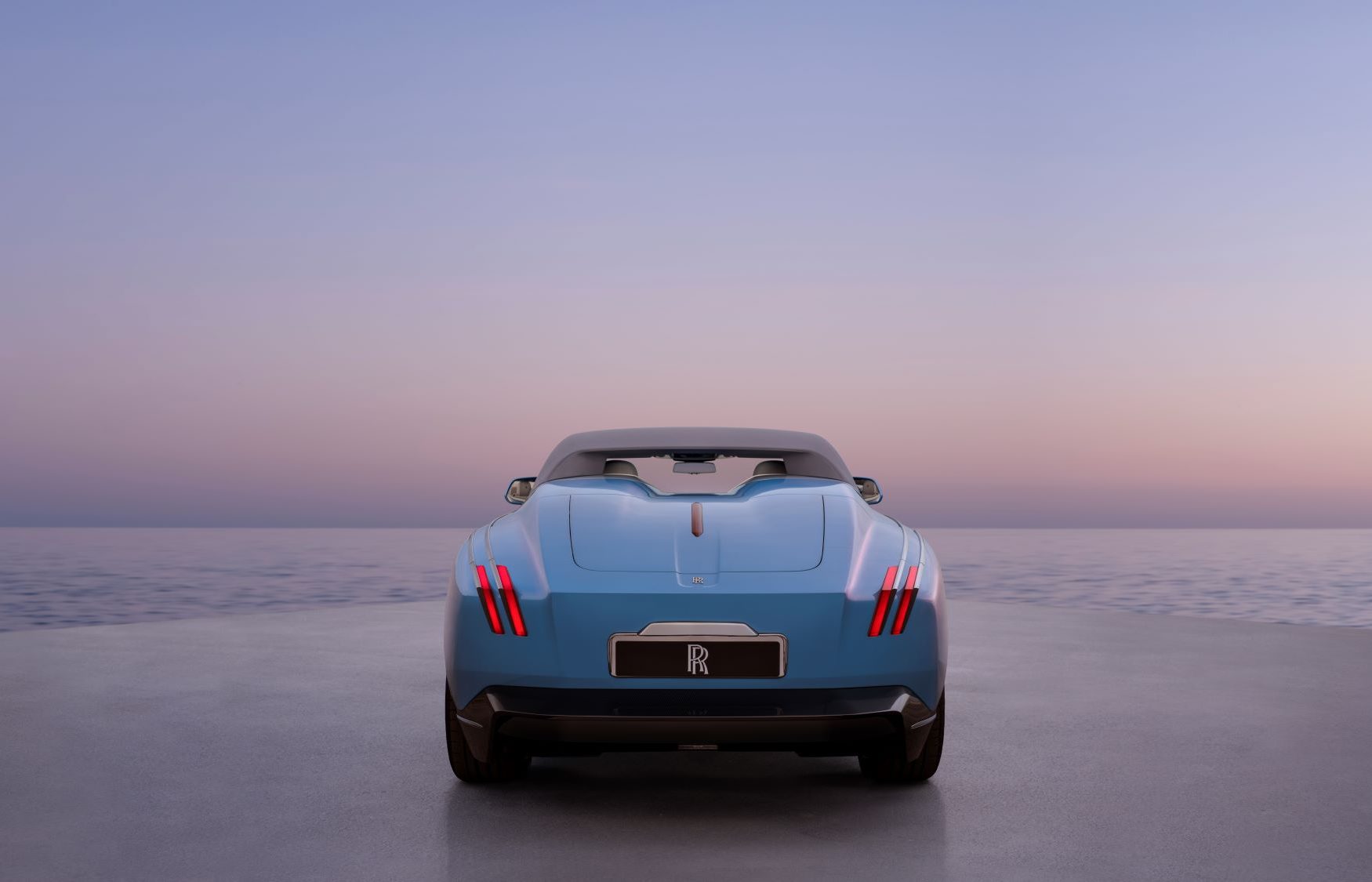
The rear of the vehicle continues the theme of controlled drama. The so-called “Piano Boot,” opening sideways like a grand piano lid, exemplifies Rolls-Royce’s ability to turn even mundane functions into ceremonial gestures. It’s indulgent, certainly, but also entirely on-brand.
Where Project Nightingale becomes most intriguing, however, is in its embrace of electrification. not as a technical talking point, but as a sensory enabler. Rolls-Royce frames the fully electric drivetrain as a gateway to near-total silence, allowing occupants to experience the environment in an almost meditative way. The brand’s description of hearing birdsong, ocean waves, and wind with unusual clarity borders on poetic, if not slightly romanticized. Still, it’s a compelling vision of what luxury mobility could become in an electric era.
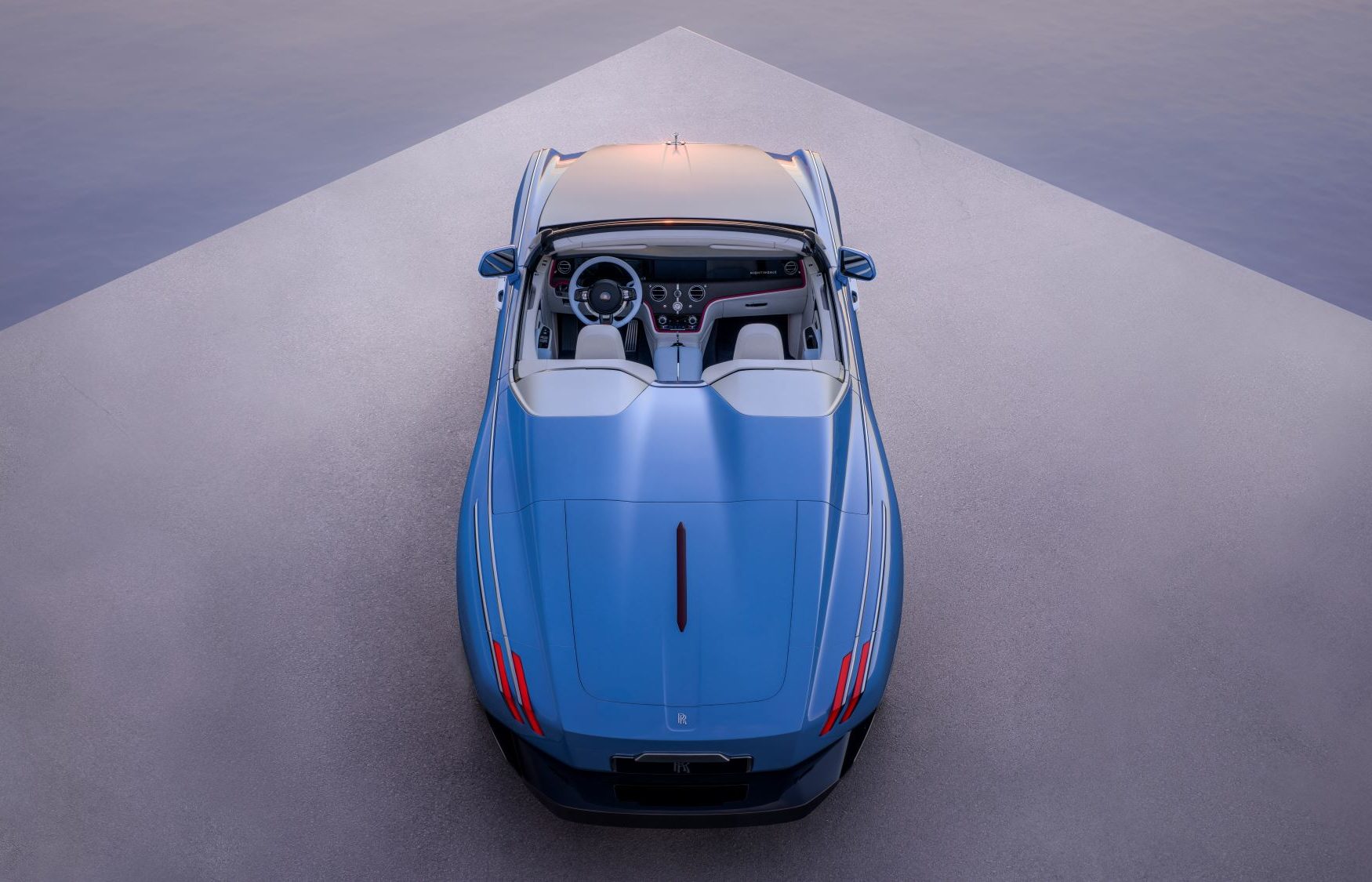
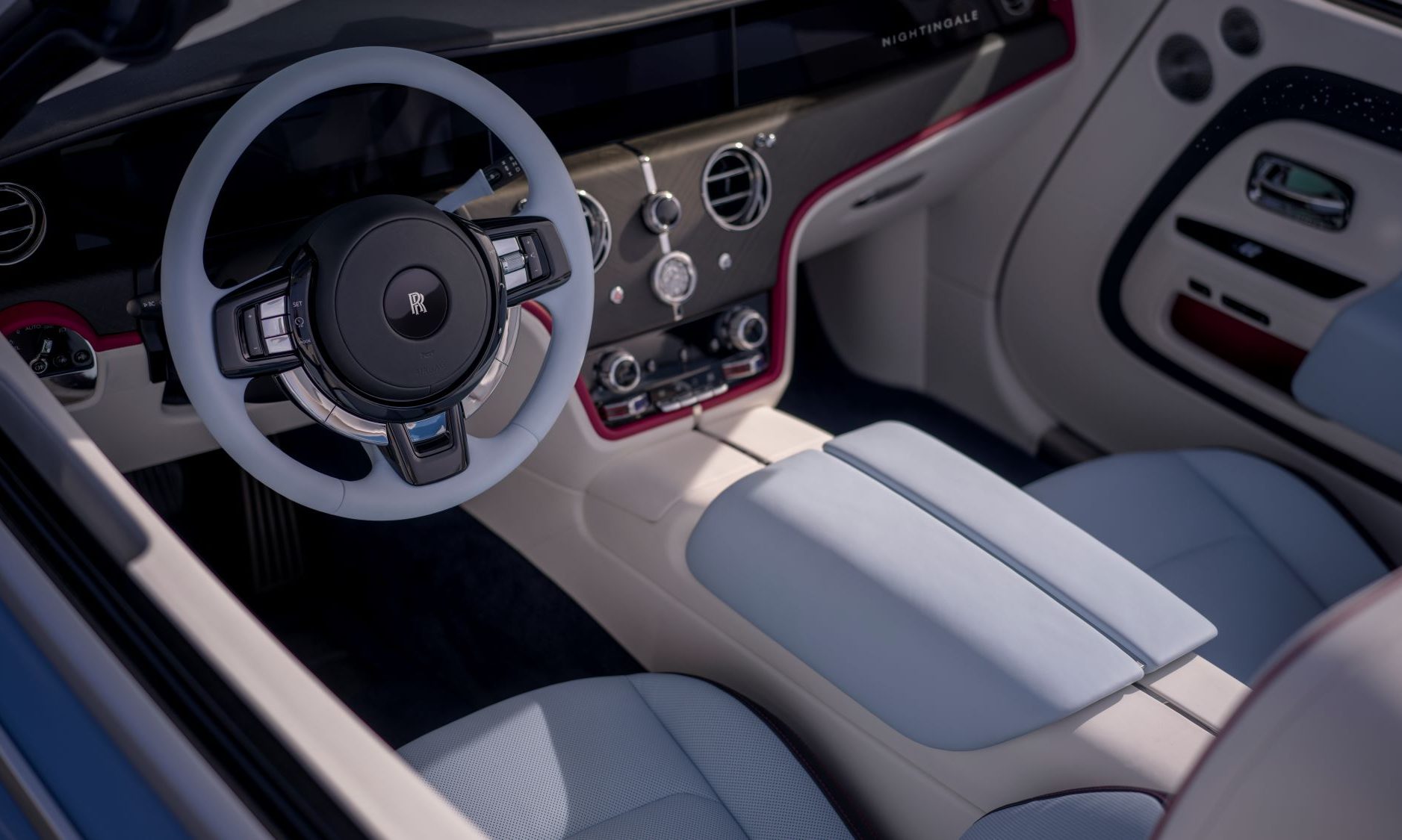
This philosophy carries directly into the interior. The “Starlight Breeze” suite—featuring over 10,000 individual points of light inspired by the waveform of a nightingale’s song, is a striking example of Rolls-Royce’s ability to translate abstract ideas into tangible design. It’s immersive, theatrical, and perhaps a touch indulgent, but it aligns perfectly with the project’s narrative.
Materiality and craftsmanship remain central. Leather surfaces are sculpted with saddle-like precision, controls are reduced to a minimalist set of tactile elements, and hidden compartments reveal themselves with deliberate choreography. Every interaction is designed to feel intentional, reinforcing the sense that this is not just a car, but a curated environment for two.
That said, the press release does raise some questions. While the design is “fully resolved” in theory, Rolls-Royce acknowledges that certain elements still require new manufacturing techniques. This suggests that Project Nightingale, for all its polish, remains a work in progress. Whether those innovations will translate seamlessly into production, or remain aspirational, remains to be seen.
Ultimately, Project Nightingale is less about redefining the automobile and more about redefining expectation. It challenges conventional ideas of proportion, luxury, and even purpose, positioning itself as a collectible object for a highly specific audience. For those clients, the appeal is obvious: exclusivity, craftsmanship, and a deeply considered design narrative.
For everyone else, it serves as a fascinating glimpse into how Rolls-Royce envisions the future—not louder or faster, but quieter, more sculptural, and perhaps a bit more introspective.