Glamour is being redefined. And younger consumers are leading the way.
A New Generation, A New Definition of Glamour
Not long ago, luxury fashion followed a clear script. Heritage houses set the trends, and consumers followed. But younger shoppers, particularly Gen Z, have quietly rewritten that script entirely.
They’re not waiting for runway approval. They’re building their own version of glamour, one intentional piece at a time.
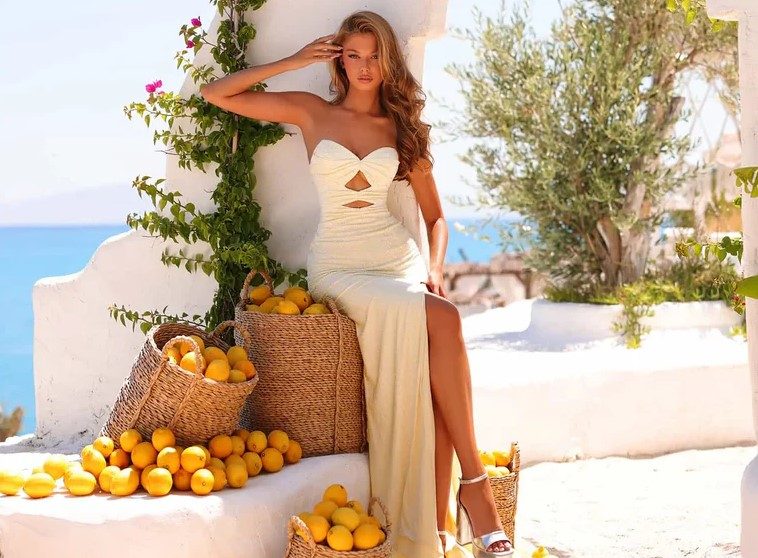
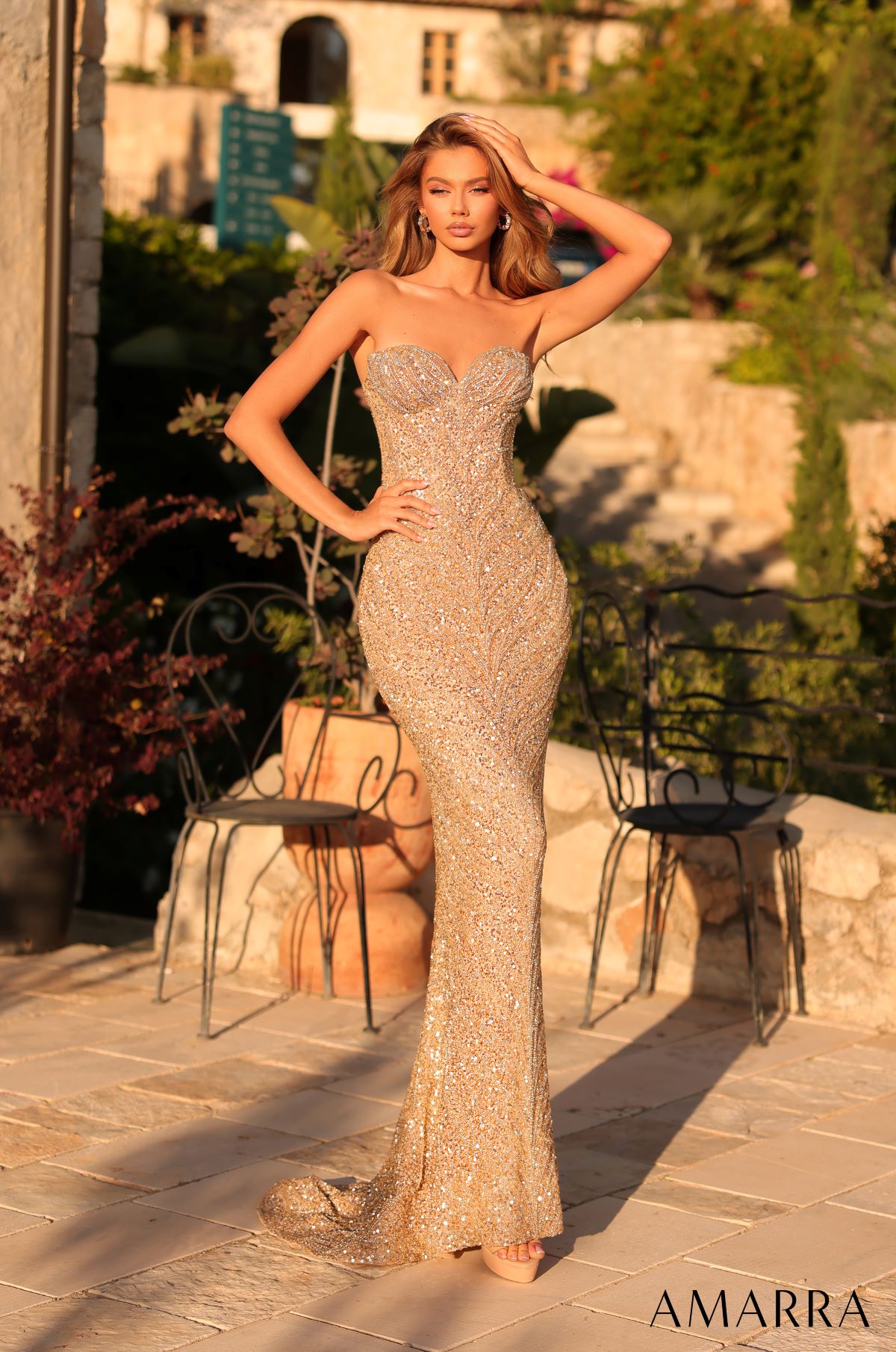
This shift is visible everywhere, from the rise of modern couture evening gowns by Amarra to the growing demand for fashion that tells a personal story rather than just a brand story. The pieces are still beautiful — but now they have to mean something too.
TikTok Changed Everything
TikTok didn’t just change how fashion is discovered. It changed who gets to decide what’s worth wearing.
A dress can go from unknown to sold-out in 48 hours because one real person wore it and shared why they loved it. That kind of reach used to belong only to major fashion houses and glossy magazines.
Now it belongs to anyone with a phone and a point of view. For Gen Z, that’s not a disruption — that’s just how fashion works.
| Old Fashion Discovery | Gen Z Fashion Discovery |
| Magazine editorials | TikTok try-ons and hauls |
| Runway shows | Creator outfit posts |
| Brand advertising | Peer recommendations |
| Seasonal trends | Year-round individual expression |
| One aesthetic fits all | Micro-trends and niche styles |
Individuality Over Brand Loyalty
Gen Z doesn’t wear brands the way older generations did — as a badge of status. They wear pieces that reflect who they are, regardless of where those pieces come from.
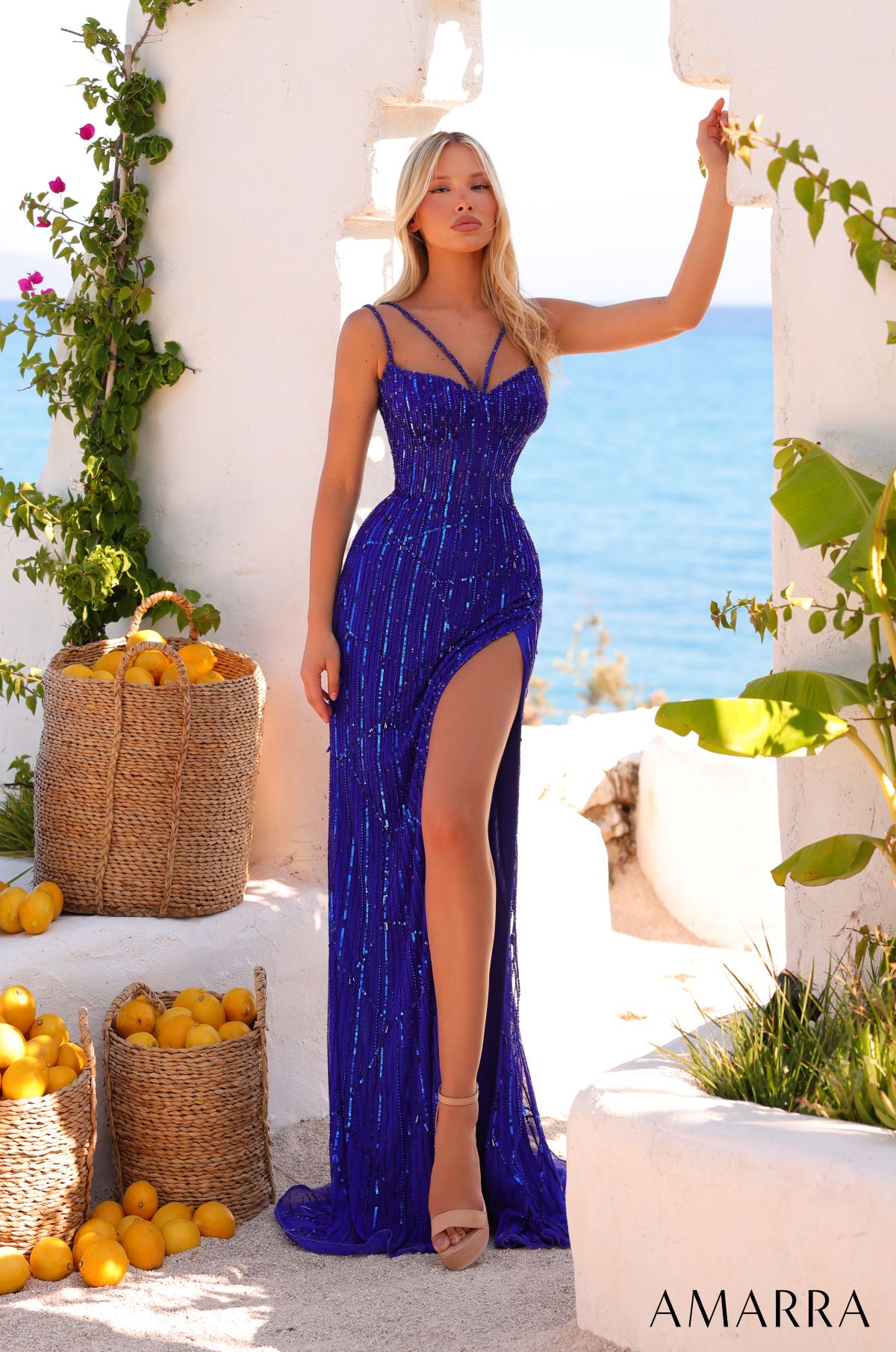
A thrifted jacket paired with a statement gown is not a contradiction to them. It’s a creative choice.
This is a generation that grew up with endless visual references, subcultures, and aesthetic identities online. They know exactly what they like, and they’re not easily swayed by a logo alone.
What “Statement Pieces” Mean Now
The statement piece has always been part of fashion. But for younger consumers, what makes something a statement has changed.
It’s less about price and more about presence. A piece that photographs beautifully, fits perfectly, and feels like them — that’s worth investing in.
Here’s what today’s Gen Z statement piece typically looks like:
- Distinctive silhouette — something that stands out in a photo and in a room
- Versatile enough to style multiple ways — they want to wear it more than once
- A clear point of view — romantic, bold, architectural, or unexpected
- Something they won’t see on everyone else — uniqueness is the real luxury
For formal occasions especially, this is where investment dressing makes the most sense to them. One perfect gown over five forgettable ones.
Sustainability Is Not Optional Anymore
For Gen Z, sustainability isn’t a bonus feature. It’s a baseline expectation.
They grew up watching climate conversations unfold in real time, and they carry that awareness into how they spend. Fast fashion feels careless to many of them — and luxury fashion that ignores sustainability feels tone-deaf.
This doesn’t mean they only buy secondhand. It means they ask harder questions before buying new. Where was this made? How long will it last? Is this worth the resources it took to create?
Brands that answer those questions honestly earn trust. Brands that don’t answer them at all quietly lose it.
The Rental and Resale Factor
One of the biggest behavioural shifts among younger luxury shoppers is how they think about ownership. Buying is no longer the only option — and for many, it’s not even the preferred one.
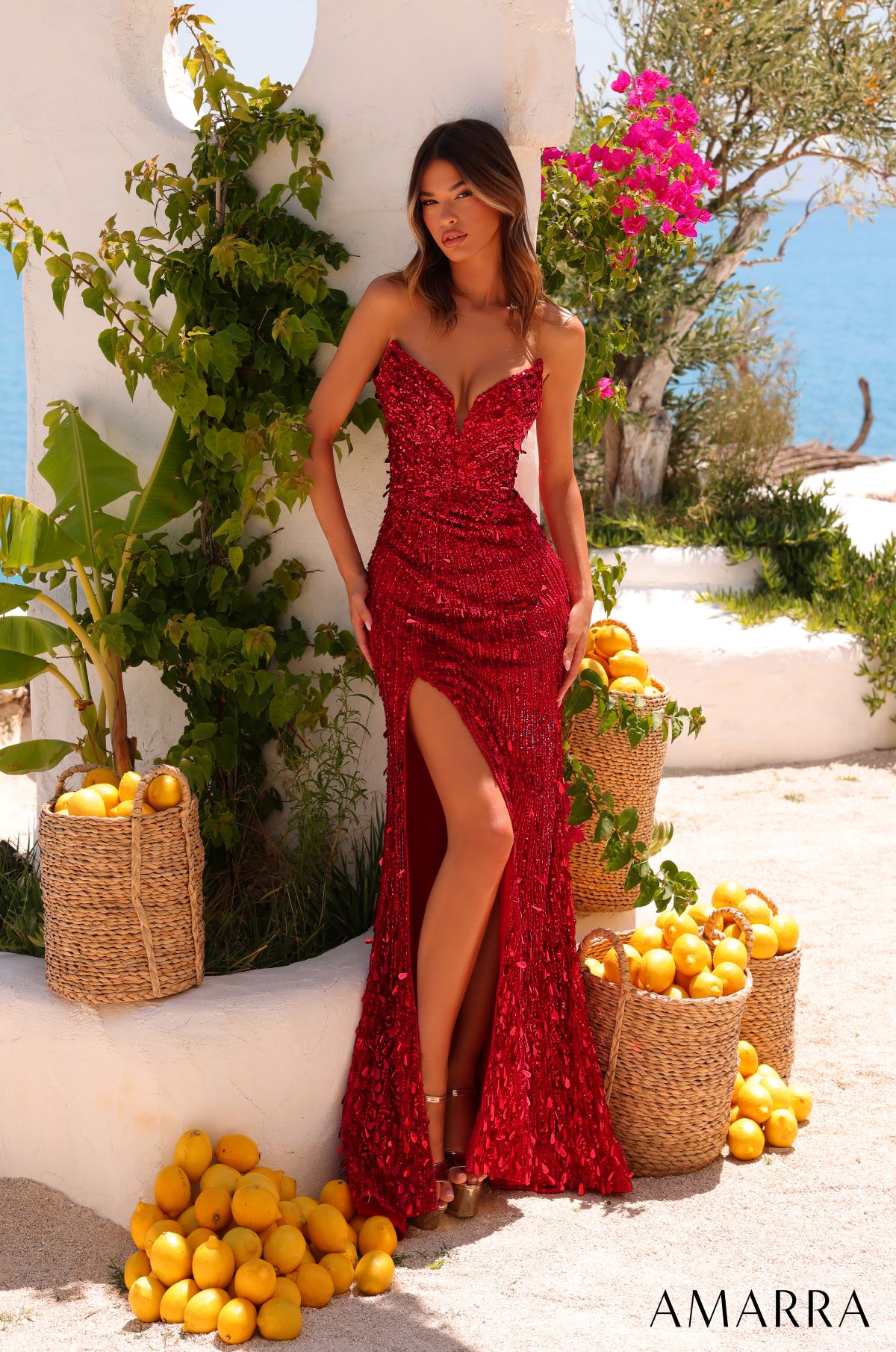
Luxury dress rental platforms have grown significantly because Gen Z sees the logic clearly. Why buy a gown you’ll wear once when you can rent something stunning, wear it beautifully, and move on?
The same thinking drives the resale market. A well-made piece holds value. Buying it secondhand and eventually reselling it feels smarter, not lesser.
Why Quality Still Wins
Despite all the disruption, one thing hasn’t changed: Gen Z still wants quality. They’re just more deliberate about where they find it.
They’re willing to save longer for one exceptional piece than fill a wardrobe with things that won’t last. This is actually a return to something older — the idea of buying fewer, better things — expressed through a very modern lens.
A beautifully constructed gown, an expertly tailored blazer, a pair of shoes made to last years — these still hold real appeal. The difference is that today’s buyer wants to understand the value before they commit.
What Brands Need to Understand
The brands connecting with Gen Z are doing something specific: they’re treating younger consumers as intelligent adults who can spot inauthenticity quickly.
What’s working:
- Showing the process — how a piece is made, who made it, what it’s made from
- Real representation — models and ambassadors who look like actual people
- Honest pricing — explaining why something costs what it costs
- Community over campaign — building relationships, not just running ads
Gen Z doesn’t want to be marketed to. They want to be part of the conversation.
The Bigger Shift
What’s happening in luxury fashion right now isn’t just a generational preference change. It’s a structural one.
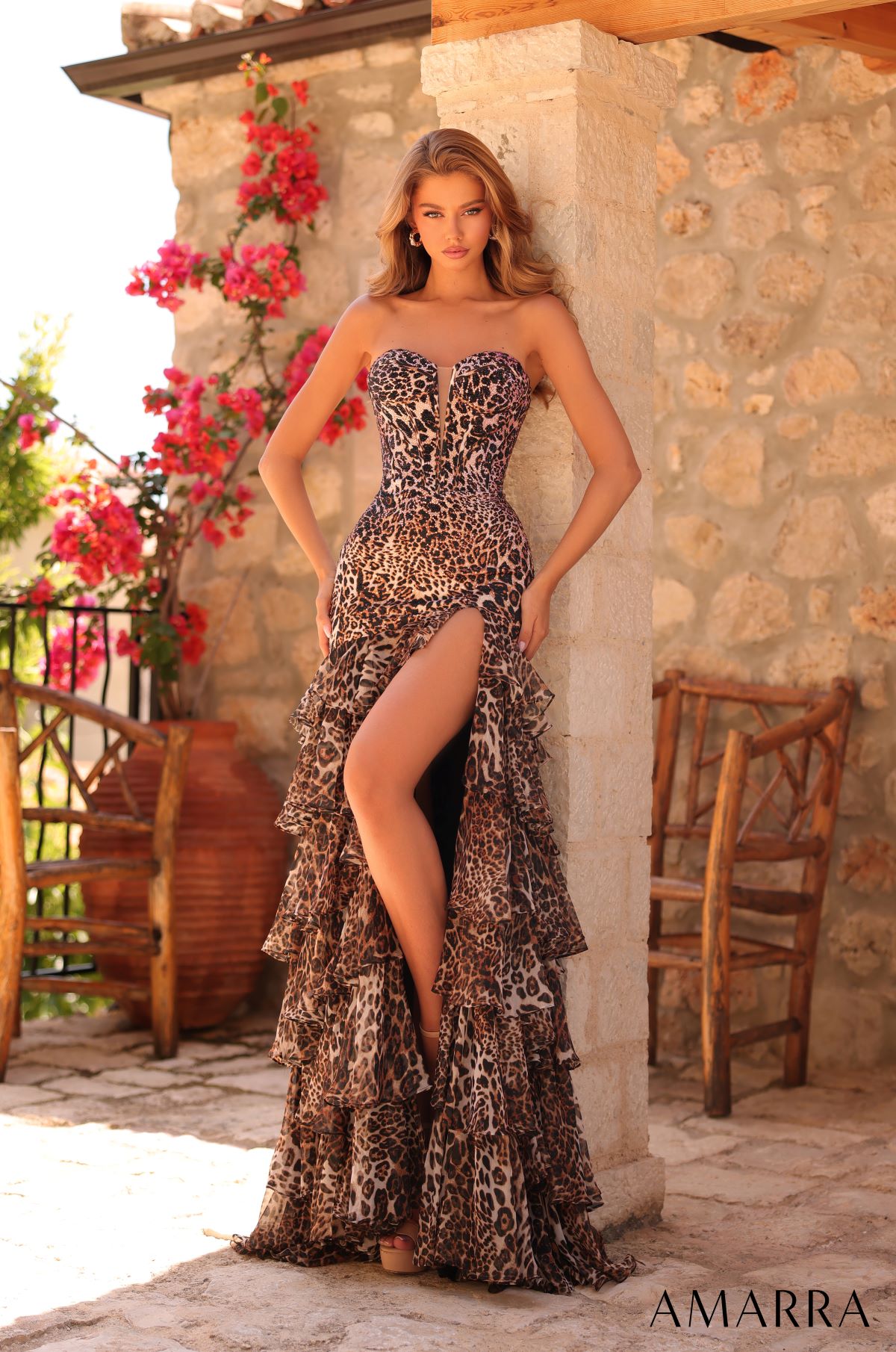
The definition of glamour is expanding. It now includes thrift finds and couture. It includes rental gowns and heirloom pieces. It includes bold colour, quiet luxury, maximalism, and restraint — sometimes all in the same outfit.
Gen Z isn’t confused about what luxury means. They’ve simply decided it means something different than it used to. And the brands listening closely are already adjusting.
The ones still waiting for this generation to “come around” to traditional luxury may find themselves waiting a long time.