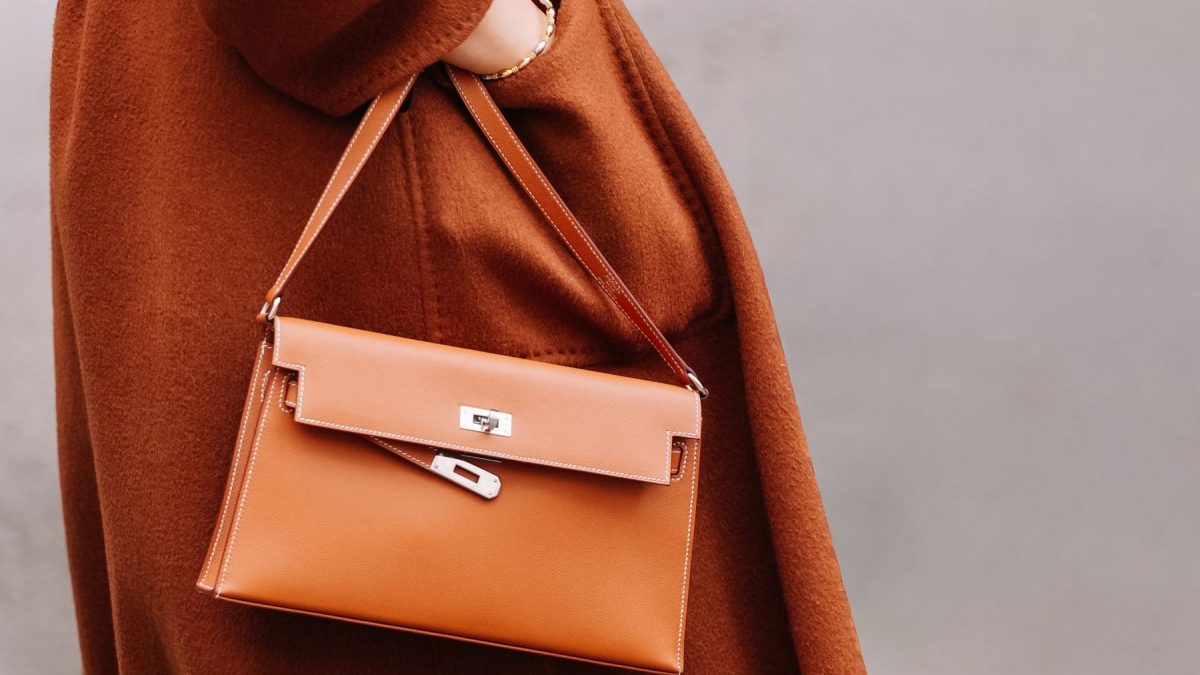
In early 2026, the luxury fashion world presents a tale of two realities. While broader designer handbag sales show signs of moderation amid economic caution and shifting consumer preferences, a select group of iconic pieces continues to defy the trend.
Hermès Birkins and Kellys, Chanel Classic Flaps, and a handful of other heritage-driven designs are not merely holding their value. They are appreciating, often behaving more like alternative assets than seasonal fashion items.
This divergence highlights a deeper shift: in an era of inflated production and fleeting trends, deliberate restraint wins. Scarcity, timeless craftsmanship, and cultural staying power have transformed certain handbags into objects that reward knowledge and patience.
For discerning collectors, the question is no longer simply what looks desirable today, but what will retain or grow its worth tomorrow. Luxury, at its best, should feel like an informed choice rather than a performative chase.
The Polarized Luxury Landscape: Why Only a Few Bags Endure
The global handbag market reached impressive figures in recent years, yet growth has become uneven. Entry-level and trend-driven segments face pressure from cautious spending, while ultra-luxury icons demonstrate remarkable resilience.
Hermès, for instance, has maintained its position as a benchmark of exclusivity, with its controlled output creating a supply-demand imbalance that fuels both retail prestige and secondary market strength.
At the heart of this endurance is a simple economic truth: when brands limit production intentionally, desire compounds rather than dilutes. Hermès and Chanel have long mastered this approach, refusing to flood the market even as global demand rises.
The result? Certain models have evolved into modern heirlooms, tracked by collectors with the same seriousness once reserved for fine art or vintage watches.
Why Certain Designer Bags Continue to Appreciate in Value
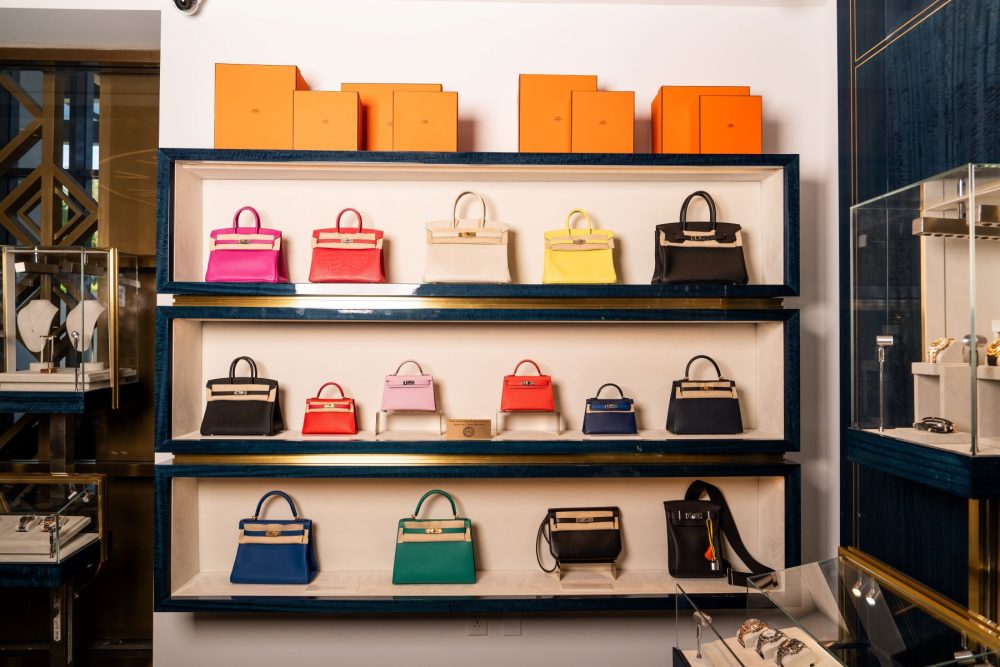
Several interlocking factors explain why specific handbags outperform the wider market. First and foremost is scarcity by design.
Hermès maintains tight allocation policies, often requiring established client relationships or patience through waitlists. Chanel similarly exercises restraint, ensuring its signature pieces never feel commonplace. This controlled supply creates natural upward pressure on value, especially for pristine examples.
According to recent market data, Hermès achieved an average value retention of 138%—a striking 38% year-over-year increase. Standout styles performed even more impressively: the Kelly Mini II reached 282%, the Birkin Sellier 183%, and core icons like the standard Birkin and Kelly all exceeded 110% retention.
Over the past decade, Birkin resale values have surged 92%, more than double the brand’s own retail price growth of 43%. Pristine pieces frequently trade at significant premiums, sometimes two to four times original retail for coveted sizes and leathers.
Chanel’s Classic Flap offers another compelling case. In 2026, retail prices for the line range from approximately $5,400 for mini versions to $13,200 for the Maxi Flap, following incremental increases of 3–4%. These strategic hikes do not deter collectors; instead, they reinforce the bag’s status as a stable asset. Neutral colors, signature quilting, and heritage hardware ensure the Classic Flap transcends seasonal trends, maintaining strong demand across both new and pre-owned markets.
These bags appreciate because they combine rarity with enduring design logic. Structured silhouettes, versatile neutral palettes, and meticulous craftsmanship mean they age gracefully, both aesthetically and economically. Buyers increasingly treat them as long-term holdings rather than impulse purchases.
The Role of Celebrity Influence, Exclusivity, and Scarcity in Driving Demand
Exclusivity and scarcity form the foundation, but cultural momentum provides the acceleration. Celebrity influence does not create desire from nothing; it amplifies what already exists in the collective imagination. A well-timed Birkin sighting on a red carpet or a Chanel Flap captured in a high-profile street-style moment can trigger immediate waves of interest across social platforms.
In 2026, this effect moves faster than ever. Social media, street-style coverage, and viral moments compress the timeline between visibility and demand. Yet the bags that benefit most are the icons with decades of built-in recognition. A single image reminds the world why these pieces became legendary: their ability to signal refined taste without shouting.
Scarcity adds emotional weight. The knowledge that a particular Hermès bag required years of relationship-building or strategic sourcing elevates the ownership experience. For many affluent buyers, this controlled access transforms the handbag from a consumer good into a symbol of discernment. When supply cannot easily expand, even modest retail price adjustments lift the entire value ecosystem, including the resale side.
Notable provenance can further elevate value. In 2025, Jane Birkin’s original prototype Hermès Birkin sold at auction for $10.1 million, underscoring the cultural and historical resonance these pieces carry.
Resale as an Essential Part of Modern Luxury Buying
As these dynamics play out, the authenticated resale market has matured into a core pillar of contemporary luxury. No longer an afterthought or “second-best” option, it provides what traditional retail often cannot: immediate access to discontinued colors, rare leathers, or pristine vintage examples, alongside transparent pricing and the ability to evaluate condition side-by-side.
Serious collectors now view resale as complementary to boutiques rather than competitive. It offers liquidity for those rotating collections, access without endless waitlists, and the opportunity to acquire investment-grade pieces with full documentation. In a landscape where boutique experiences can feel performative, the secondary market emphasizes knowledge and verification.
As more collectors look toward authenticated resale channels, platforms like Rome Station Canada help buyers access sought-after designer handbags with confidence.
According to Lillian, founder of Rome Station, the most enduring value in the Hermès market comes from understanding its deeper mechanics beyond surface hype. She notes that materials evolution, hardware changes, date stamps, and provenance tell the real story of longevity, shifting the experience from a performative chase to genuine empowerment.
Looking Ahead: A More Informed Approach to Luxury
In 2026 and beyond, the smartest luxury buyers are adopting a dual lens: aesthetic appreciation paired with investment awareness. Will the piece hold value in three to five years? Does it benefit from the brand’s commitment to scarcity? Is there verifiable demand and liquidity in the resale ecosystem?
The answer favors icons like the Hermès Birkin and Kelly, Chanel Classic Flap, and select understated pieces from houses that prioritize heritage over volume. These designs succeed because they resist trend fatigue. Neutral tones and classic constructions ensure relevance across seasons and even generations.
Broader market signals reinforce this view. With luxury spending showing selective caution, only pieces backed by genuine exclusivity and cultural depth are positioned to thrive.
The luxury bags outperforming the market in 2026 share a clear lesson: scarcity, heritage craftsmanship, and cultural resonance create value that endures economic cycles. Celebrity moments may spark interest, but exclusivity and timeless design sustain it.
Resale has become an indispensable part of this ecosystem, extending the life of exceptional pieces and offering informed entry points for collectors.
Rather than navigating opaque systems or performative gatekeeping, today’s affluent buyers can approach luxury with clarity, evaluating pieces on their merits, provenance, and long-term potential. This shift does not diminish exclusivity; it makes it more meaningful by placing power in the hands of those who understand it.
In a fragmented market, the winners will continue to be those who choose substance over spectacle. Iconic handbags from Hermès, Chanel, and their peers are not just beautiful objects. They are assets that reward discernment. By embracing authenticated channels and focusing on quality over hype, collectors can build collections that deliver both personal joy and lasting value.
The future of luxury belongs to those who see beyond the fantasy to the fundamentals. In 2026, that perspective is not only wise, it is quietly revolutionary.