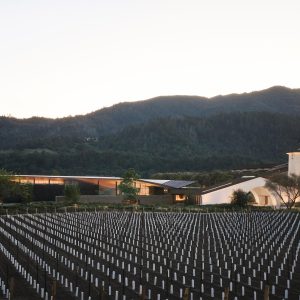
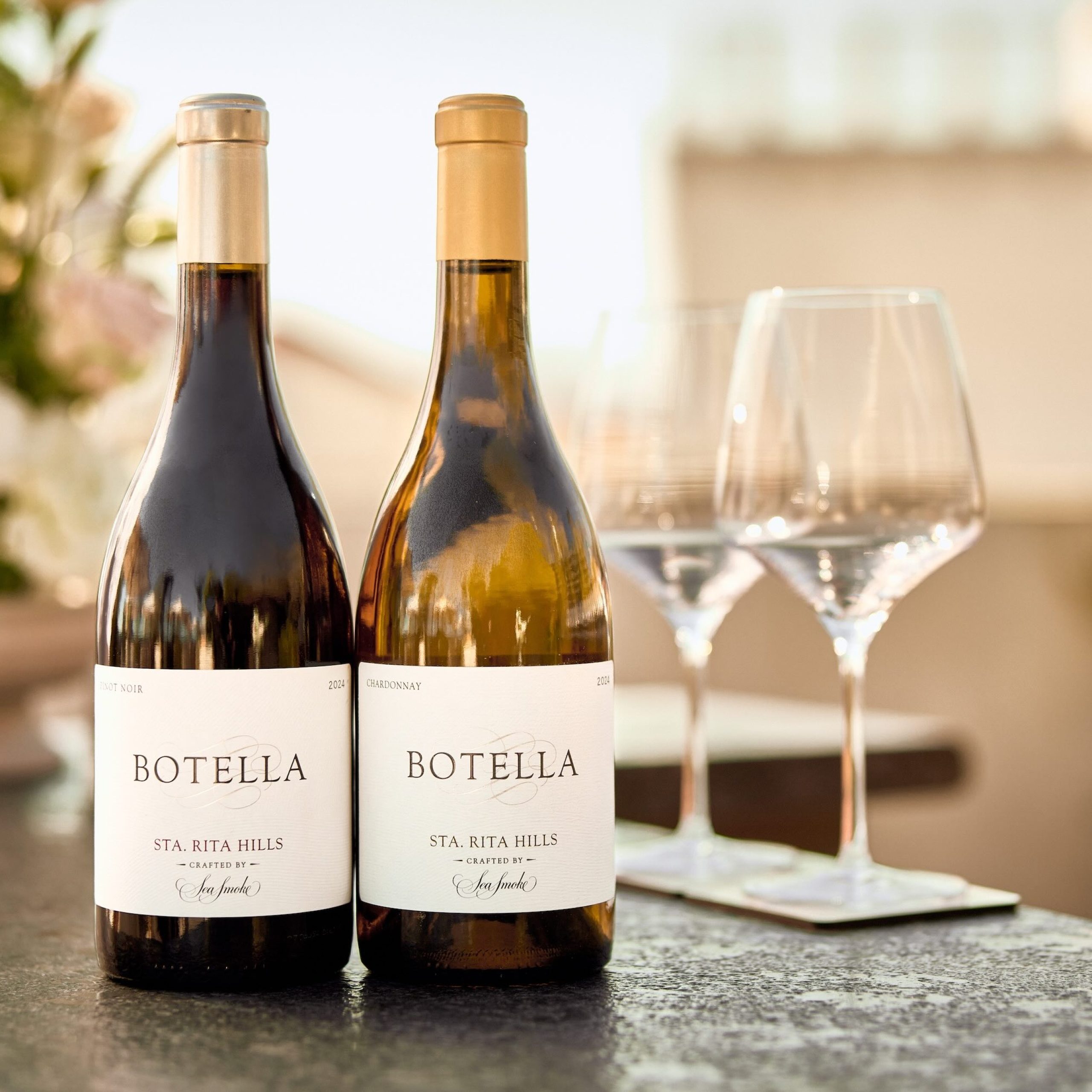
The Sta. Rita Hills is shaped by contrast. Cool Pacific air moves inland through the western gap in the mountains, meeting long stretches of California sun across rugged vineyard sites marked by wind, clay soils, and dramatic temperature swings. It’s one of California’s most distinctive growing regions for Pinot Noir and Chardonnay, producing wines with energy, acidity, and a strong sense of place.
Sea Smoke has long been one of the appellation’s defining producers, known for estate wines with aging potential. The winery built its reputation on highly allocated bottlings like Southing and Ten, wines that developed a devoted following among collectors and serious Pinot Noir enthusiasts. But longtime fans may also remember Botella, a label that once occupied a very different role within the Sea Smoke portfolio.
In its original form, Botella functioned as Sea Smoke’s secondary wine, created from barrels that ultimately did not make their way into the winery’s flagship blends. As the estate vineyards matured and the overall quality level continued to rise, the need for a second label gradually disappeared. The project was discontinued, and Sea Smoke focused its attention entirely on the estate wines that had become synonymous with the brand.
Now Botella has returned, though this version bears little resemblance to the original concept.
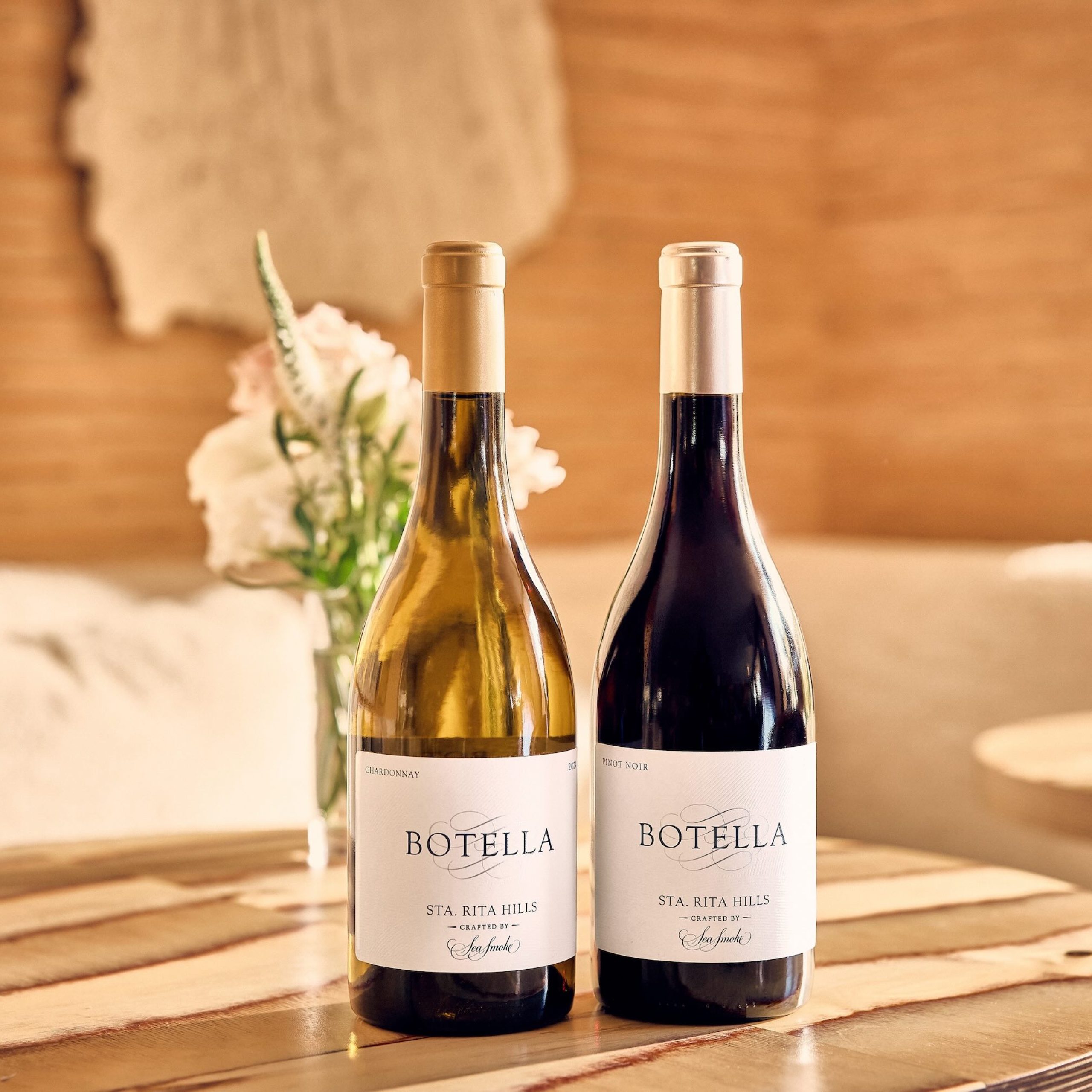
Rather than serving as a declassified bottling, the new Botella is a standalone project with its own identity and direction. The wines are sourced from neighboring Sta. Rita Hills vineyards including Fiddlestix Vineyard, Sanford & Benedict Vineyard, and Our Lady of Guadalupe Vineyard, sites that have earned respect throughout the region for producing fruit with structure and character. The name itself references the Botella clay soils found throughout the appellation, a defining feature of many of the Sta. Rita Hills’ top vineyard sites.
While the project carries over many of the winemaking philosophies associated with Sea Smoke — thoughtful fermentation, restrained oak use, and an emphasis on vineyard expression — the intent behind the wines is noticeably different. Earlier harvest dates, gentler extraction, and shorter aging programs create wines that are more open and approachable from the start.
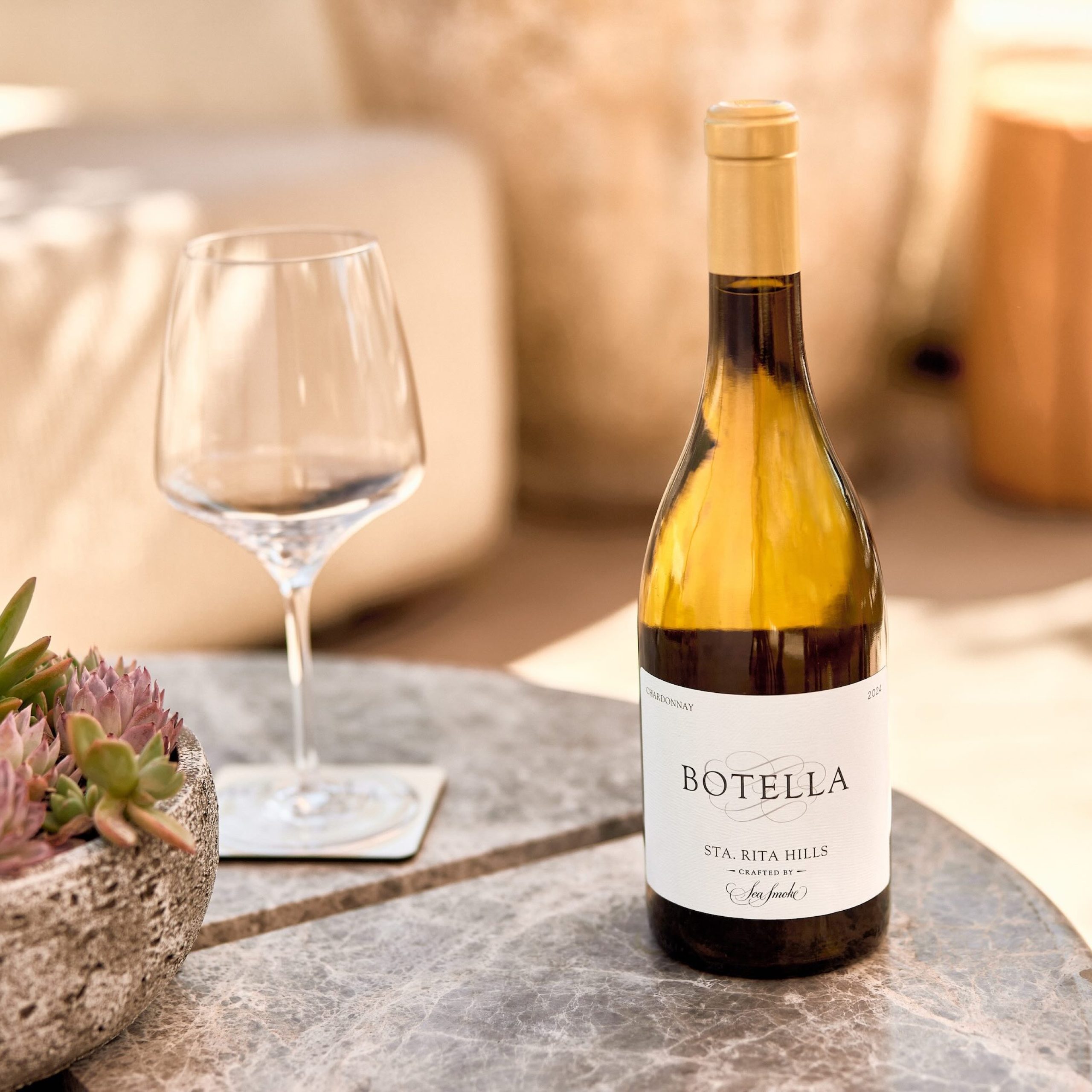
The Chardonnay reflects that shift particularly well. Rather than leaning into heavy oak influence, the wine highlights the cooler side of the Sta. Rita Hills. White nectarine, Meyer lemon, and stone fruit notes come through, supported by bright acidity and a clean mineral edge. Stainless steel fermentation and limited new oak keep the texture fresh. The result is a Chardonnay that feels equally suited to a dinner table or an afternoon glass shared outdoors.
The Pinot Noir follows a similar philosophy. The fruit profile stays in the red spectrum — raspberry, cherry, and wild strawberry — with subtle herbal and chaparral notes adding dimension. Gentle cap management and reduced skin contact soften the structure, allowing the wine to show its fruit more openly. The tannins are smooth and integrated, and while the wine shows complexity, it’s not overly serious.
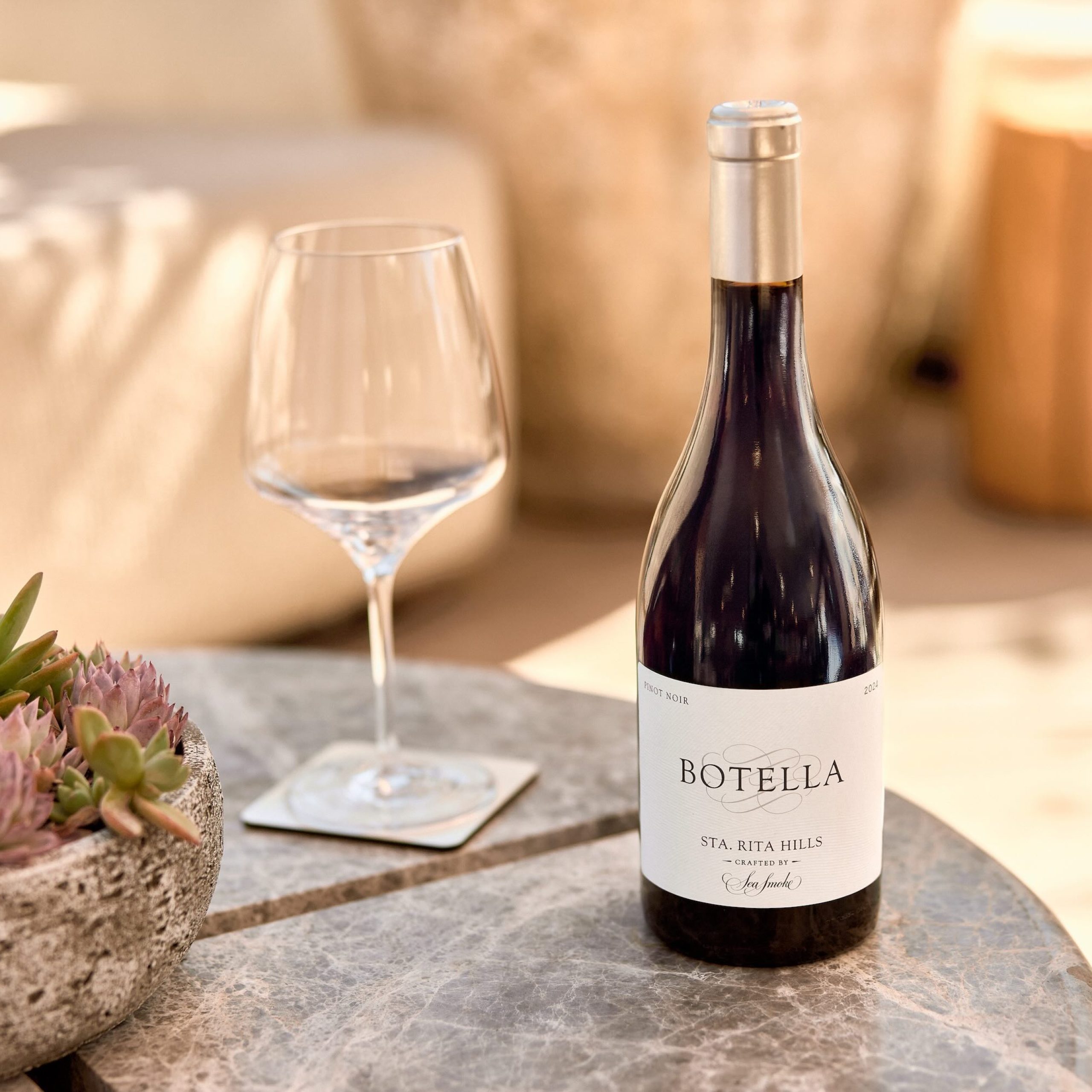
Many premium wines are still framed around collectability and long-term aging, often accompanied by the unspoken idea that the “right” bottle is one saved for years before opening. Botella takes a different approach. These wines are designed to be enjoyed now, without sacrificing the qualities that make the Sta. Rita Hills compelling in the first place. They simply present the area in a more relaxed, accessible way while maintaining the vineyard character and balance that best define the region.
Sea Smoke’s estate wines will continue to reward patience in the cellar for years to come. Botella simply offers another interpretation of the same landscape — one that feels less formal, more immediate, and perfectly suited for opening any night.
Photos courtesy of Sea Smoke/Botella