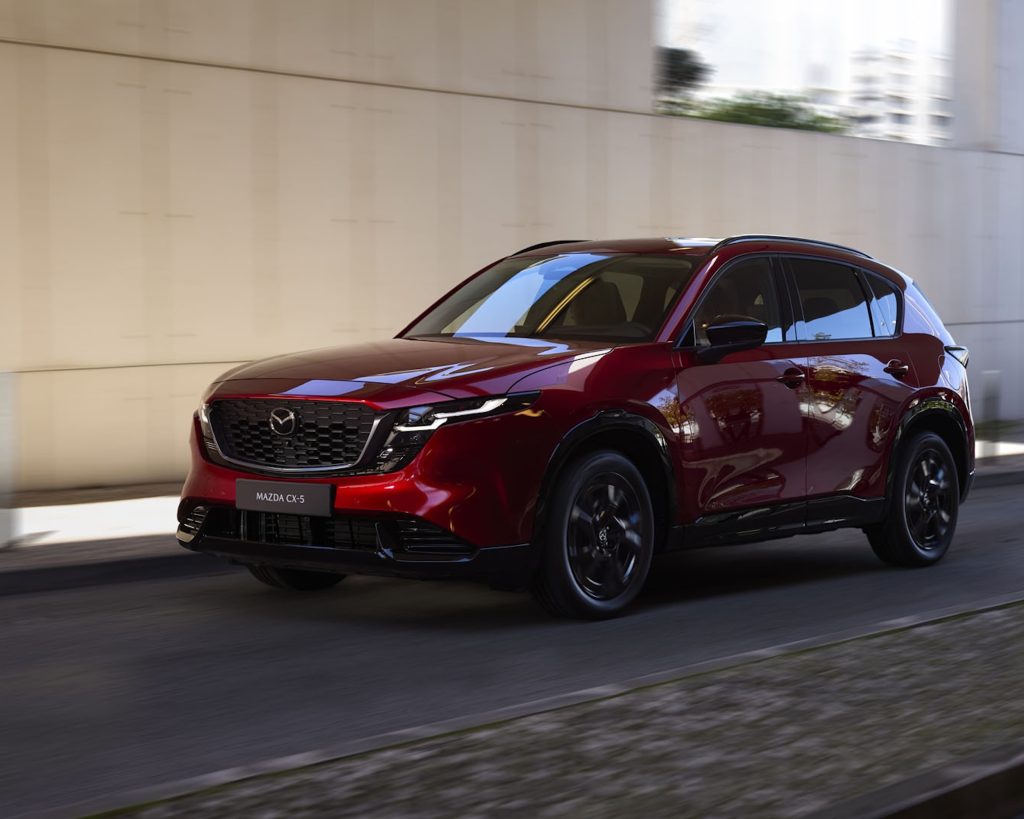
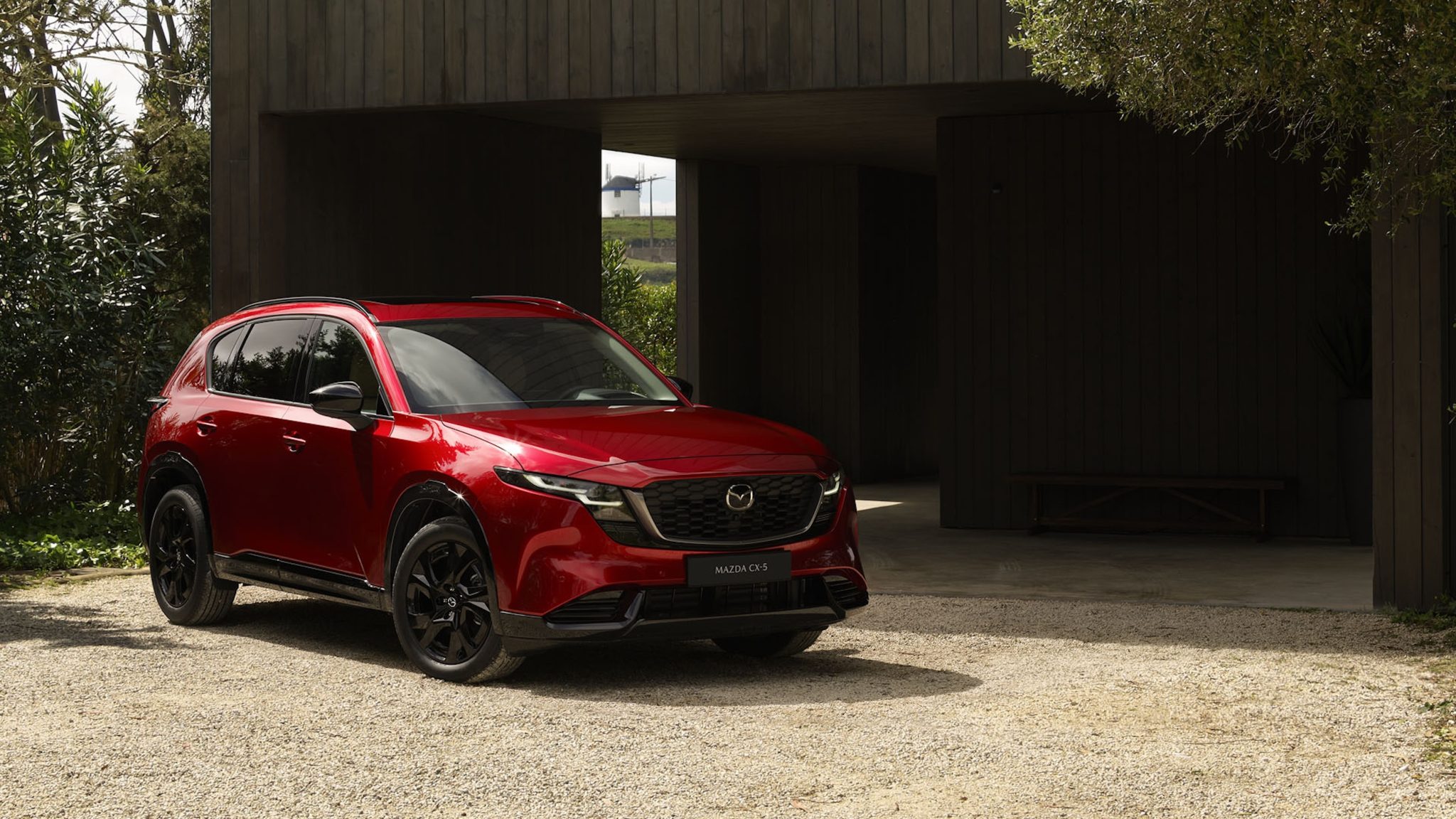
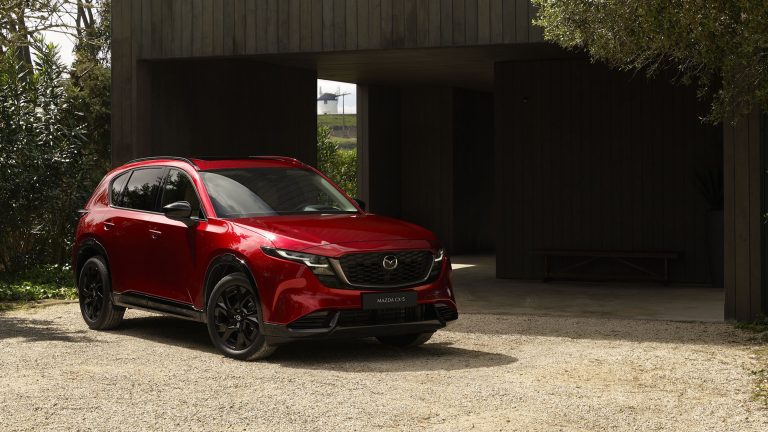
In a crowded compact crossover field, Mazda’s CX-5 remains a quiet standout — designed for those who value the drive experience as much as the destination.
Rooted in Japanese restraint, intuitive ergonomics and composed handling define its appeal. But proof, as always, lives in the numbers. Since its 2012 debut, Mazda’s best-selling SUV has surpassed 1.6 million sales in the United States and 4.5 million globally. The 2026 CX-5 builds on that legacy with expanded safety technologies and new Google built-in AI integration. A coastal drive from Alila Marea Beach Resort in Encinitas to La Jolla offered the perfect proving ground.
Space to Live In, Not Just Drive
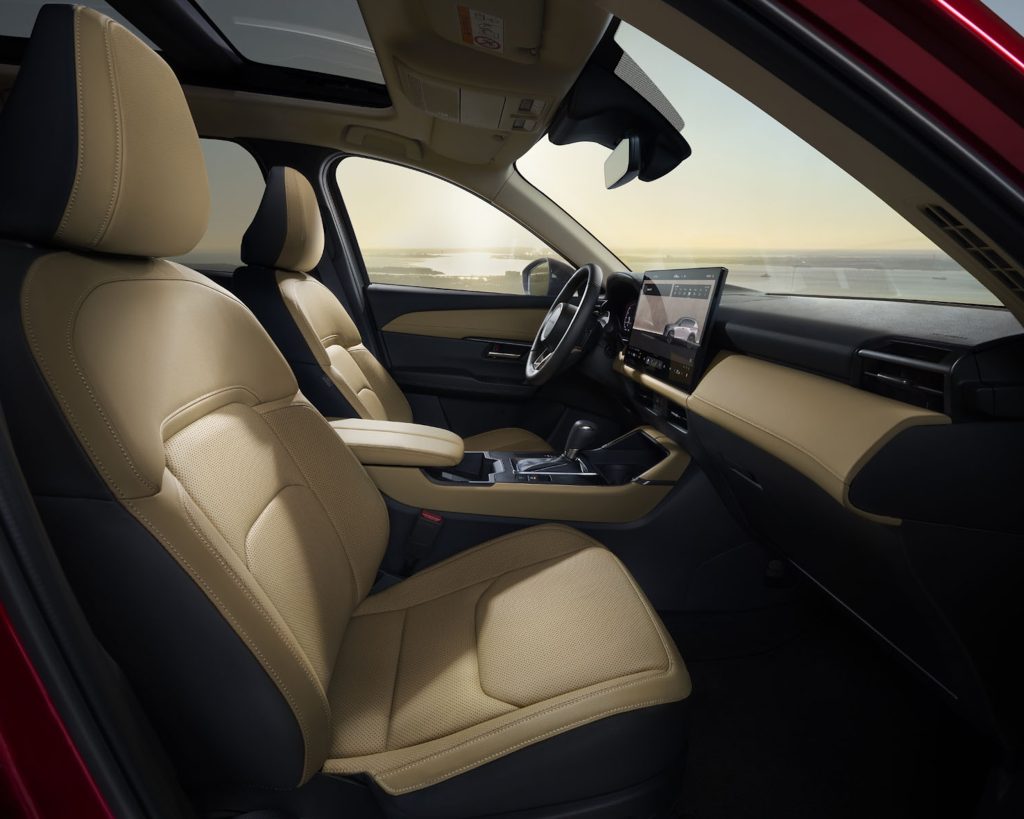
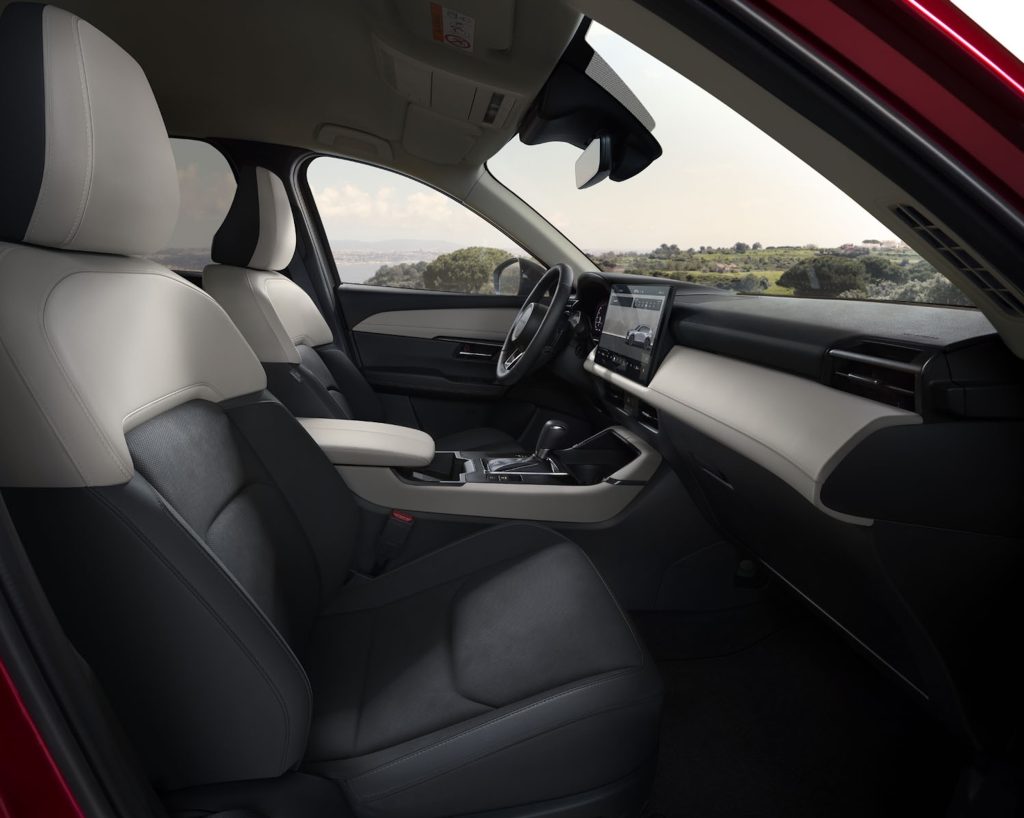
If the new CX-5 reflects anything, it’s how driver expectations have evolved. Compact crossovers are no longer judged solely by efficiency or cargo specs — they’re extensions of how people live, and the third-generation model grows where it matters most, adding two inches of rear knee and headroom. The increase may sound modest, but in practice it’s meaningful, particularly for adults over six feet tall or families on the move. The cabin feels open yet tailored, and interior choices refined. A new two-tone option — darker below, lighter above — visually lifts the space while disguising everyday wear, while a perforated Sport Tan leather delivers classic warmth.
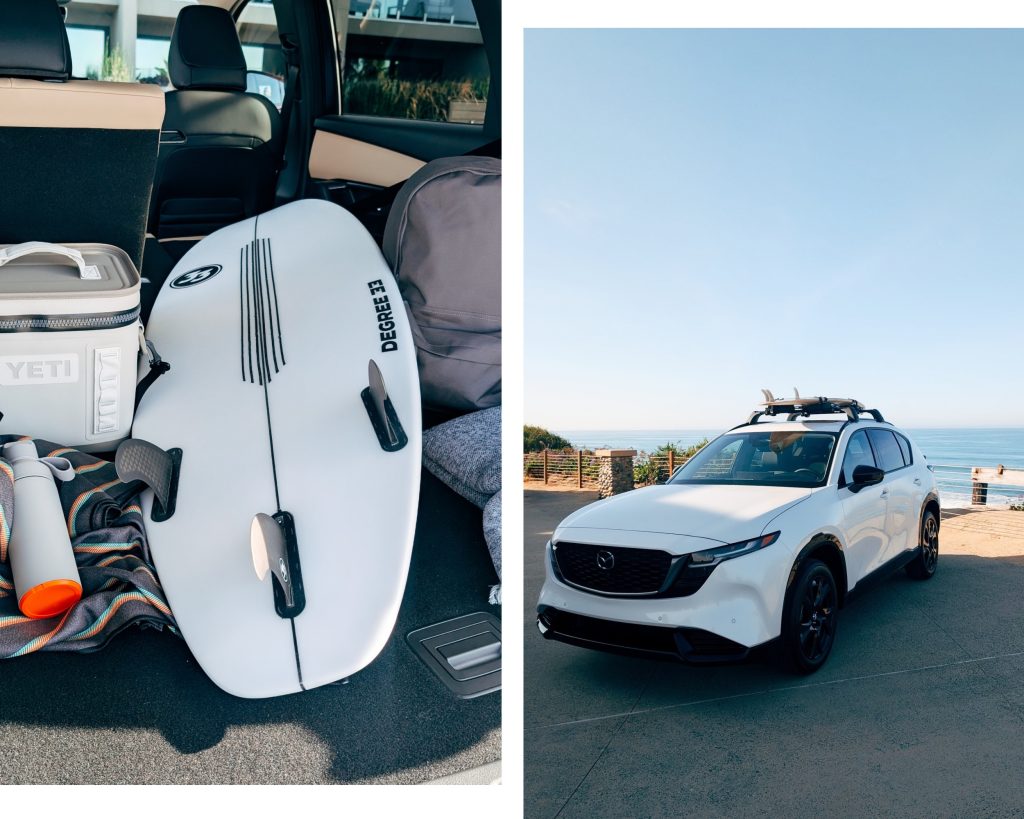
All-important cargo flexibility matches the aesthetic, too. Whether loading surfboards, ski bags or a spontaneous CB2 haul, the CX-5 adapts effortlessly, with a rear-seat pass-through that accommodates longer items without folding the entire bench. Hands full? A cargo-area release handles drop the seats fully flat with no uneven lip. Equally impressive? The cabin’s quiet composure, both along Highway 1 and later up I-5, allowed the 12-speaker Bose system and conversation to take center stage — rather than road noise.
Intuitive, Connected, Conversational
The transformation inside the 2026 CX-5 might just be less about what you see and more about how it responds. The familiar commander knob has been replaced by a 15.6-inch touchscreen (the largest ever offered by Mazda) but the real shift is experiential.
Powered by Google built-in (another first for the brand), the system integrates Google Maps and Google Play natively, while Apple CarPlay ensures iPhone users feel equally at home. Enhanced conversational Gemini-powered AI arrives soon, although the interface already feels intuitive. “Every model we come out with, we’re trying to refine ourselves,” said Matthew Valbuena, Static Engineer II at Mazda North America. “On the new CX-5, everything has been elevated.”
Looking for that new clifftop café on La Jolla Shores Drive? Or the Everyday California storefront before a kayak tour of La Jolla Cove? Just ask. Need to add groceries to a list? Say it. Voice commands handle everyday tasks — even something as simple as “Hey Google, volume level five” — helping minimize distraction while keeping hands on the wheel. For those who prefer a tactile approach, frequently used controls remain anchored at the bottom of the display, and steering-wheel buttons allow seamless toggling between instrument views and Mi-Drive modes.
Google integration also enables downloading apps and streaming YouTube while parked — ideal during the school pickup, says Valbuena. After dark, customizable ambient lighting integrated into the door trim subtly enhances the atmosphere.
The Intelligence You Don’t See
The digital interface may grab attention, but Mazda’s deeper story is one of engineering discipline. One that recently earned recognition from Consumer Reports, which named Mazda its First-Ever Safest New Car Brand — topping 29 automakers in a new “Safety Verdict” assessment evaluating everything from emergency handling to crashworthiness.
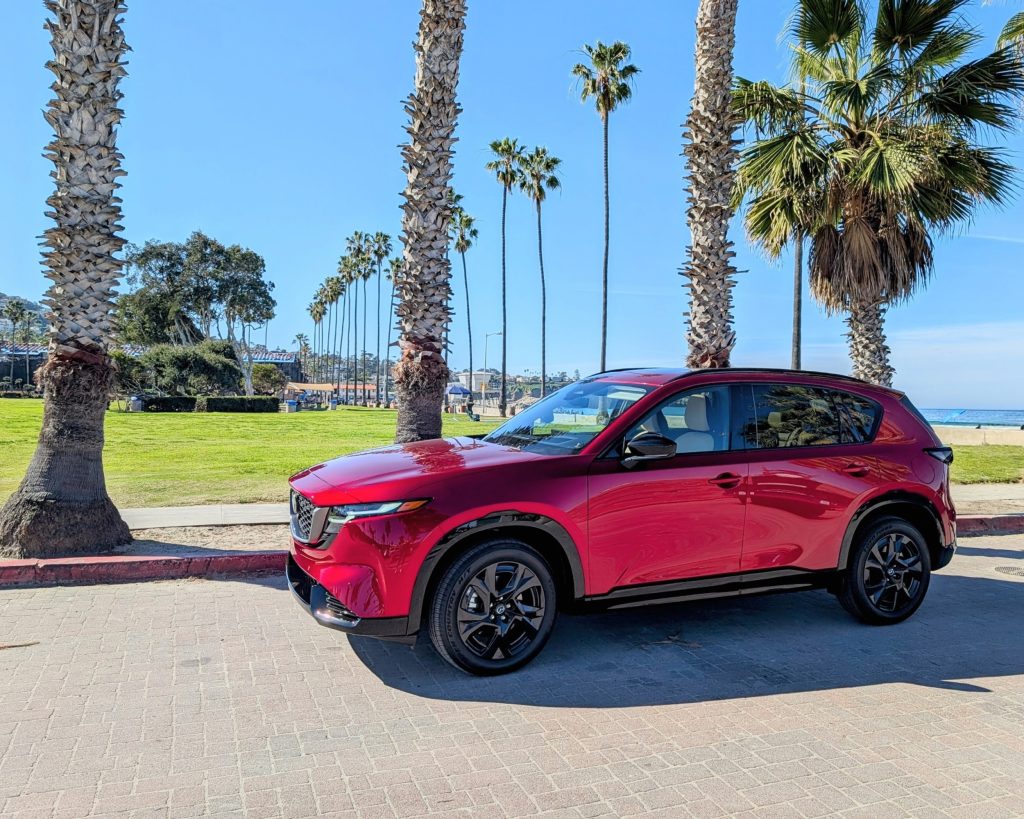
The 2026 CX-5 integrates front-sensing cameras, radar discreetly positioned behind the emblem, side radars and ultrasonic sensors into a unified safety network — with up to six cameras when equipped with the available 360° View Monitor. “All of those things work together,” explained Jennifer Morrison, Manager of Vehicle Safety Compliance, Planning & Development at Mazda North America, during a vehicle walkaround back at Alila. “The goal is layered perception. We’re trying to make it as difficult as possible to hit other things while you’re driving,” she adds.
Automatic Emergency Braking, Blind Spot Monitoring and Blind Spot Assist come standard. Rear Cross Traffic Braking can intervene when reversing into danger — not just passing vehicles, but also cyclists and distracted pedestrians. Backing out onto La Jolla’s busy Coast Boulevard amid heavy tourist foot traffic and circling cars, the combined reassurance of such automatic intervention and the stitched overhead camera view certainly dialed the stress way down.
Lane Change Assist joins the Cruising & Traffic Support system, using radar and camera data to provide what Morrison calls “cooperative steering.” “It’s about supporting the driver — not replacing them,” says Morrison. And in the worst-case scenario? Beneath the sculpted exterior, an ultra-high-tensile steel safety cage works alongside 10 advanced airbags and seatbelts equipped with pyrotechnic pre-tensioners and load limiters to better manage crash energy.
No Compromise Required
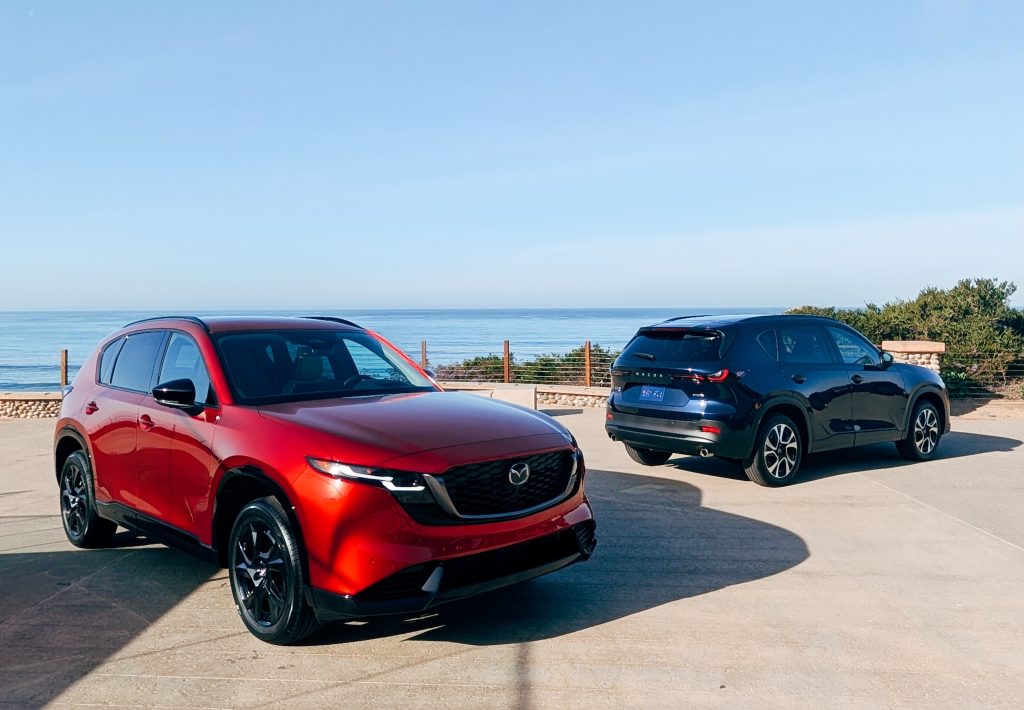
The 2026 Mazda CX-5 lineup ranges from the well-equipped 2.5 S to Select, Preferred, Premium and Premium Plus trims, each adding layers of technology and refinement. All-wheel drive comes standard, and personalization expands with the debut of Navy Blue Mica. In a segment where “compact” often implies compromise, the CX-5 feels anything but — composed and connected, it’s equally at ease along the coast, in the city or on a mountain-bound weekend escape.
Photos courtesy of Mazda North America, except where noted.