
For decades, the most valuable luxury assets in the world have rarely been advertised. They change hands quietly, discreetly, and almost always off-market.
From trophy homes in Aspen and Malibu to rare watches, art, yachts and private aviation opportunities, this shadow economy now represents an estimated $70 billion global market, and it’s growing.
Michael Roberts, founder of Sprinkle, a high-end marketplace designed to bring structure and discretion to this exact world, has had a front-row seat to how the ultra-rich actually buy and sell. And the reality, he says, looks very different from what most people see online.
“In traditional luxury markets, visibility is often a liability.”
Green explains. “The wealthiest buyers value privacy over promotion and access over advertising. High-net-worth individuals don’t want their assets indiscriminately listed, price-checked, commented on or shared across social media. Instead, deals happen through trusted networks, brokers, advisors, family offices and personal introductions, often with no public digital footprint at all.”
This off-market approach isn’t about secrecy for secrecy’s sake. It’s about control. Sellers protect their reputations, their time and their negotiating power. Buyers gain access to assets that never hit open, mass-market platforms, often at more realistic valuations and with far less competition. In many cases, the most desirable opportunities are gone long before the wider market even knows they existed.
Global wealth has expanded rapidly in recent years, particularly in the United States, where a new generation of ultra-high-net-worth individuals is emerging from tech, finance, entertainment and entrepreneurship. These buyers are sophisticated, globally mobile and increasingly frustrated by the noise of traditional luxury marketplaces. They want curated access, not endless listings. They want trust, not algorithms.
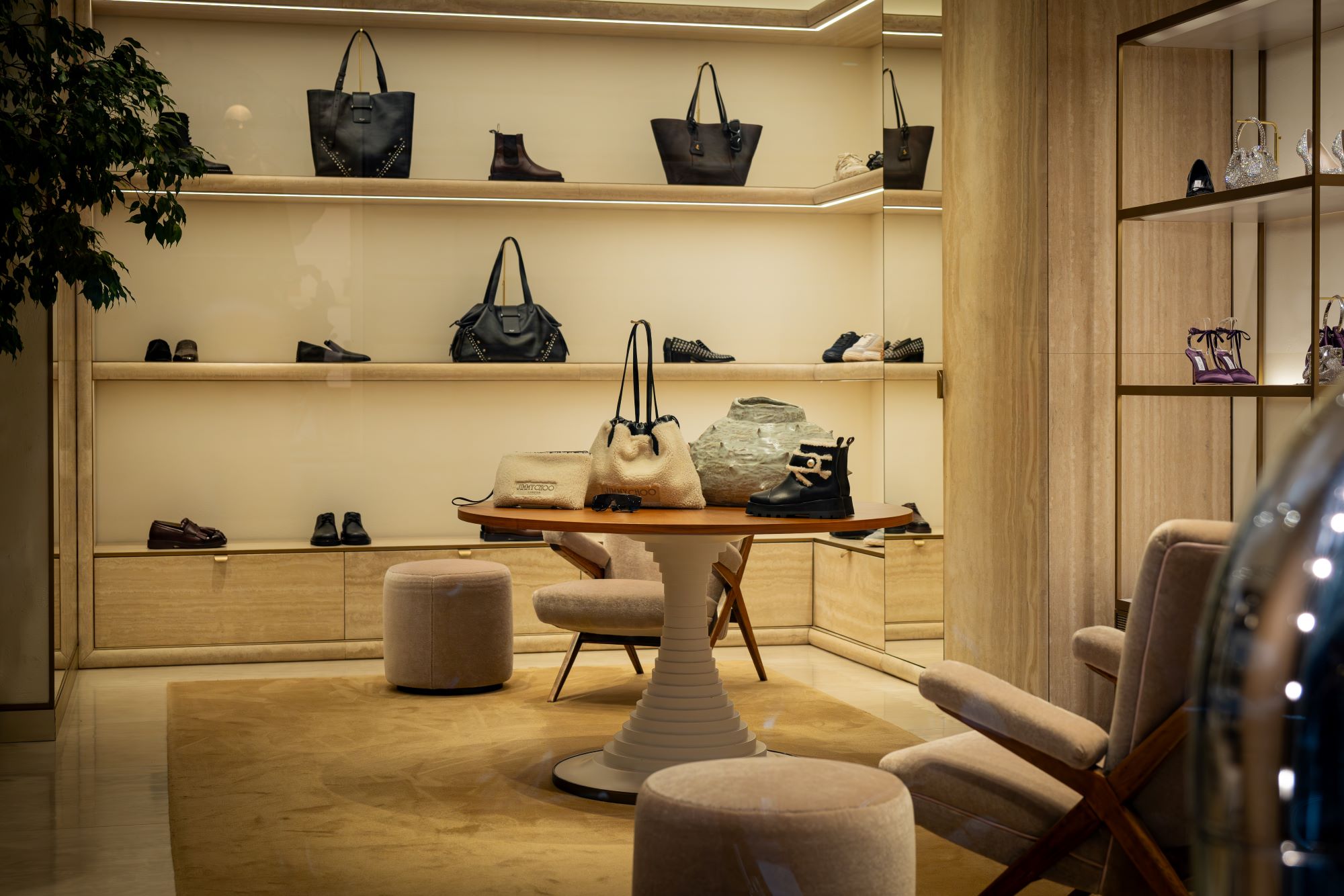
At the same time, sellers are becoming more selective. In a world of constant oversharing, discretion has become a luxury in itself. The result is an expanding parallel economy, one that operates alongside open marketplaces but remains largely invisible to them.
Historically, this off-market world has relied on fragmented, manual systems: phone calls, spreadsheets, private WhatsApp groups and closed email lists. Today, that model is evolving. Technology is finally catching up to how luxury actually works, enabling vetted access, verified participants and seamless transactions without sacrificing privacy.
Green concludes: “Platforms like Sprinkle don’t aim to ‘open up’ luxury to everyone. Quite the opposite. The future of this market lies in controlled visibility, where opportunities are discoverable without being exposed, and the right assets reach the right people at the right moment, without ever becoming part of the open market.
For the ultra-rich, this shift is transformative, it preserves discretion while expanding opportunity. For the wider luxury ecosystem, it signals a long-overdue modernization of how high-value assets move.”
The $70B off-market luxury economy has always existed. What’s new is that it’s finally becoming structured, scalable and, for those inside it, far more efficient.
And for most people, that world will remain exactly where its participants want it to be…just out of sight.
Written by Michael Roberts, CEO of Sprinkle