In 2008, a white paper appeared online under the name Satoshi Nakamoto. It described a peer-to-peer electronic cash system that required no central authority, no trusted intermediary, no institution standing between two parties who wished to transact. Nine pages. It changed finance permanently.
Whoever wrote it disappeared two years later. No explanation, no farewell, no forwarding address. The wallets attributed to Satoshi Nakamoto now hold over a million Bitcoin, placing their controller among the wealthiest individuals on earth by any measure. Not one coin has moved since Satoshi vanished. The silence has lasted fifteen years and shown no signs of breaking. That disappearance is not incidental to the story of Bitcoin. It is central to it.
The decision to vanish was consistent with everything the white paper argued for: privacy, disintermediation, the removal of identifiable actors from a system designed to function without them. Satoshi did not just build Bitcoin. Satoshi lived its philosophy. Understanding who did that requires understanding why someone would.
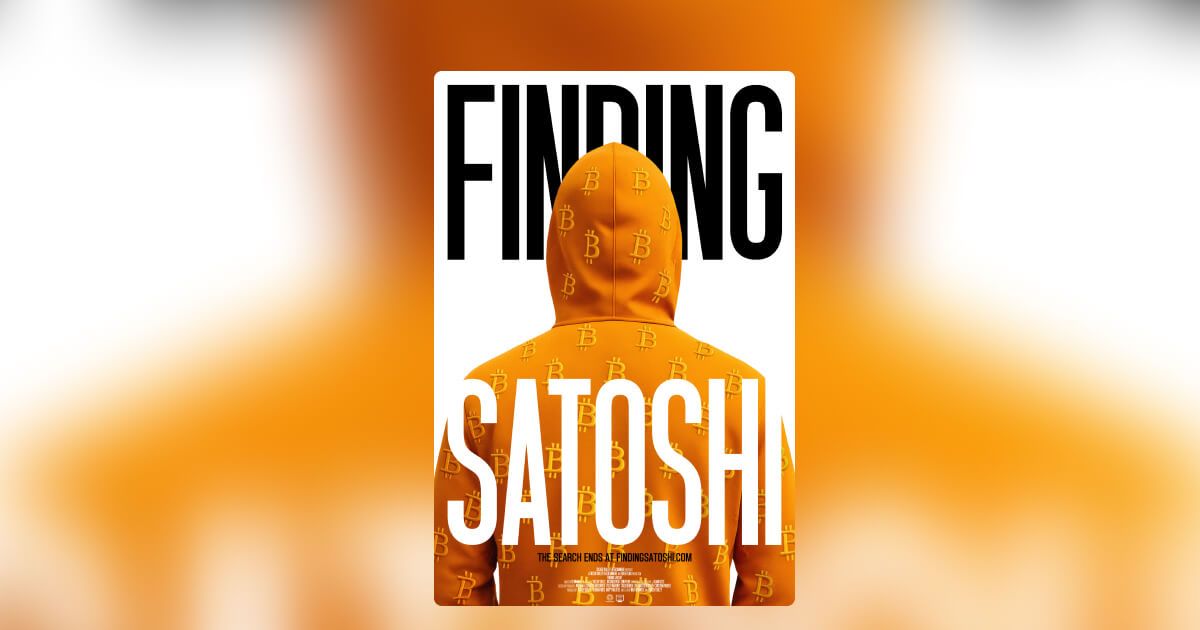
That is the question Finding Satoshi has spent four years trying to answer.

Directed by Matthew Miele and Tucker Tooley, the documentary follows investigative journalist William D. Cohan and private investigator Tyler Maroney as they trace Bitcoin’s origins through the intellectual tradition that made it possible. Cohan is a New York Times bestselling author whose career includes years of financial investigative journalism at the Wall Street Journal. Maroney runs Quest Research & Investigations and brings to the project a background in complex, high-stakes investigative work. Their investigation drew on original reporting, forensic analysis, previously unseen evidence, and more than twenty subjects speaking on record.
The film’s inquiry moves through the cypherpunk movement of the 1980s and 1990s, through the development of PGP encryption by Phil Zimmermann, through Hashcash and Bit Gold and the other predecessor technologies whose architects appear in the film. The argument Finding Satoshi makes, implicitly and then explicitly, is that Bitcoin was not a spontaneous invention. It was the culmination of a specific tradition of thought, built by someone who understood that tradition deeply, believed in it completely, and designed their disappearance with the same care they designed the network itself.
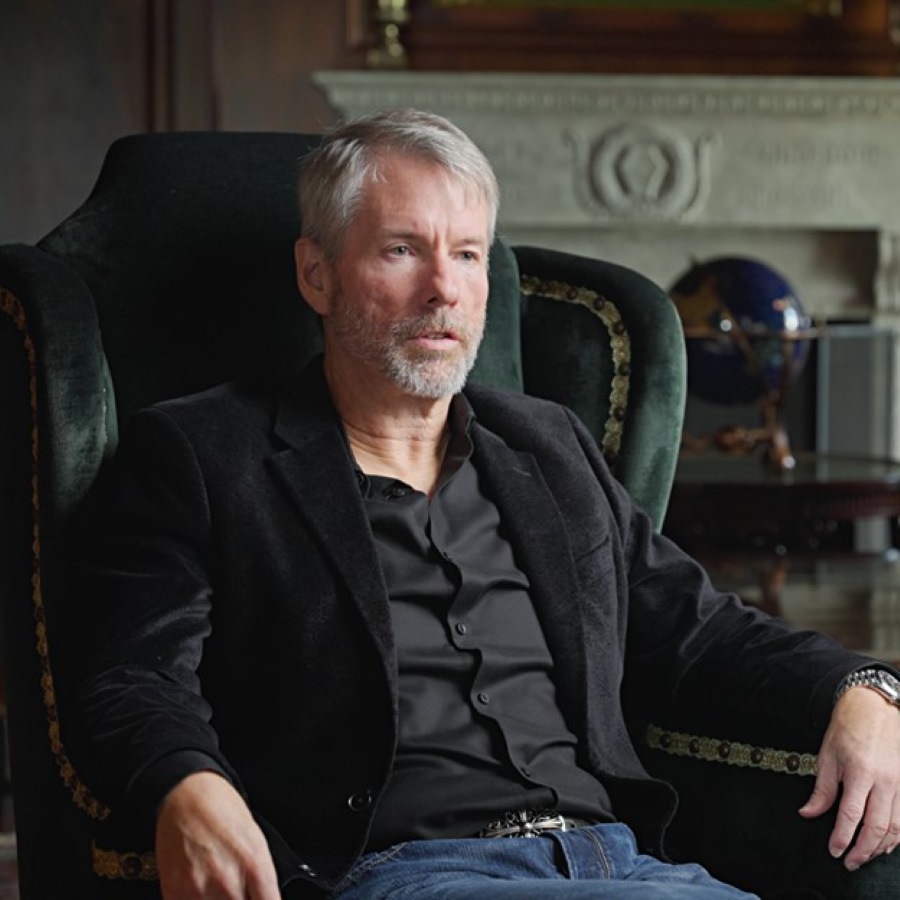
That framing shapes what kind of documentary this is. Finding Satoshi is not a technology film. It is closer to intellectual biography, an attempt to reconstruct a person from the evidence they left behind: the code, the communications, the choices, and the silences. Kathleen Puckett, the former FBI behavioral analyst whose work helped identify the Unabomber, contributes a methodology the film deploys alongside its journalistic and forensic work. The combination produces something prior Satoshi investigations have not attempted.
The interviewee roster reflects the breadth of that inquiry. Michael Saylor, Fred Ehrsam, and Joseph Lubin speak to Bitcoin’s evolution and significance. Gary Gensler and Brian Brooks offer regulatory and institutional perspectives. Kara Swisher and Gillian Tett of the Financial Times bring the view from technology and financial journalism. Phil Zimmermann and Bram Cohen, creator of BitTorrent, illuminate the intellectual lineage. Bill Gates appears. So does Bjarne Stroustrup, creator of C++.
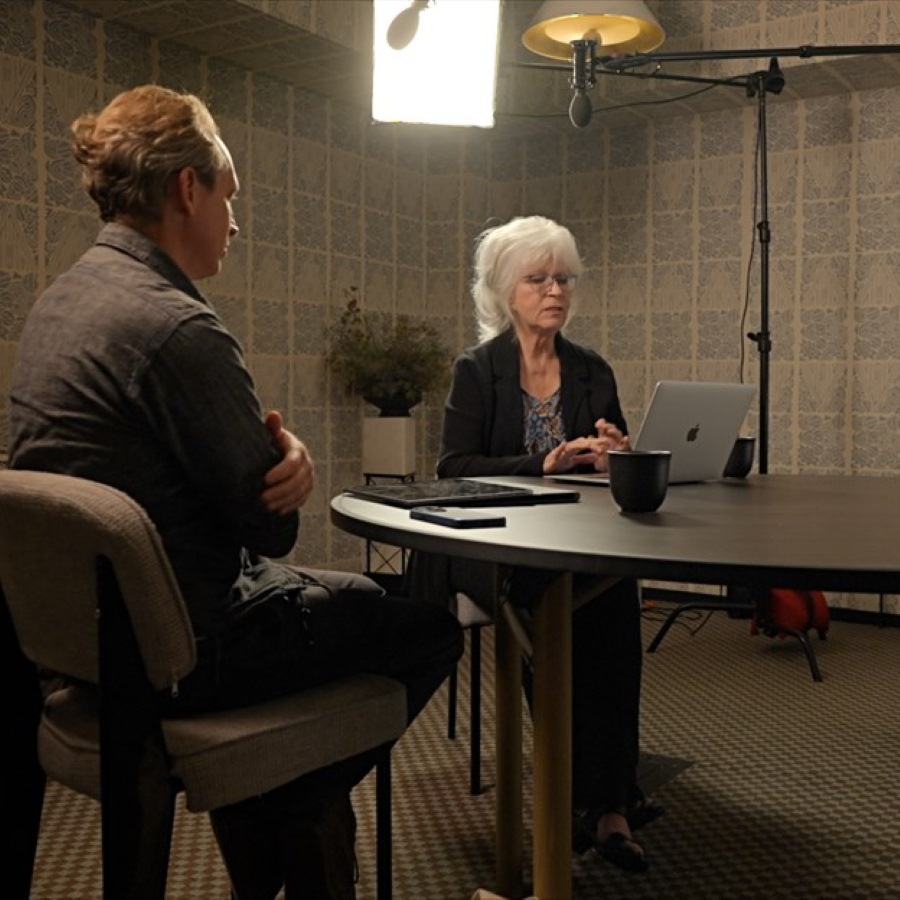
The film arrives at a conclusion. It does not present that conclusion as a provocation or a reveal. It presents it as the result of four years of sustained investigative work, offered to audiences with the same seriousness with which it was reached.
Brian Armstrong, CEO of Coinbase, said he believed the film had gotten to the right answer. Jameson Lopp, a professional cypherpunk and Bitcoin security engineer, called it the most expertly produced Bitcoin documentary he had seen. Nic Carter said it was the first investigation into Satoshi’s identity he considered genuinely serious.
Finding Satoshi is produced by Tucker Tooley for Tucker Tooley Entertainment, alongside Jordan Fried for Fried Films and Happy Walters. Tucker Tooley Entertainment’s projects have collectively earned more than $2.61 billion at the worldwide box office.
The film releases exclusively at FindingSatoshi.com. Coinbase users receive early access beginning April 21, 2026. General release is April 22. No streaming platform, no theatrical window, no intermediary of any kind. The film goes directly from the people who made it to the people who watch it, which is, not coincidentally, exactly how Bitcoin was designed to work.