There’s a quieter shift happening in Lima’s hotel scene, away from scale and statement and toward something more precise. Souma Lima sits firmly in that space.
Part of what makes it notable is its positioning within IHG Hotels & Resorts. Rather than leaning into a standardized luxury format, the hotel feels deliberately independent in its execution. The approach is more tailored, more design-led, and far more aligned with how Lima is evolving as a destination.
The location reinforces that point. Set in the seaside district of Miraflores, the hotel is positioned within Lima’s most design-conscious and culturally active district. It places guests within immediate reach of the city’s strongest restaurants, galleries, and coastal viewpoints, while maintaining just enough remove to feel self-contained. You’re not stepping out into a tourist corridor. You’re stepping directly into the part of Lima that feels current.
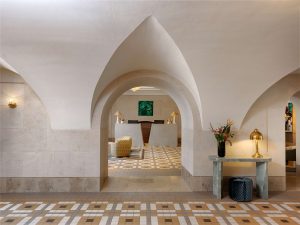
From the outset, the hotel resists the usual cues. There is no drawn-out arrival or oversized lobby trying to establish importance. The ground floor moves quickly into a series of connected spaces where reception, lounge, and dining are integrated into a single, open plan. Stone floors, warm wood, and a tightly edited palette give the interiors a sense of clarity. Nothing distracts, and nothing feels added for effect.
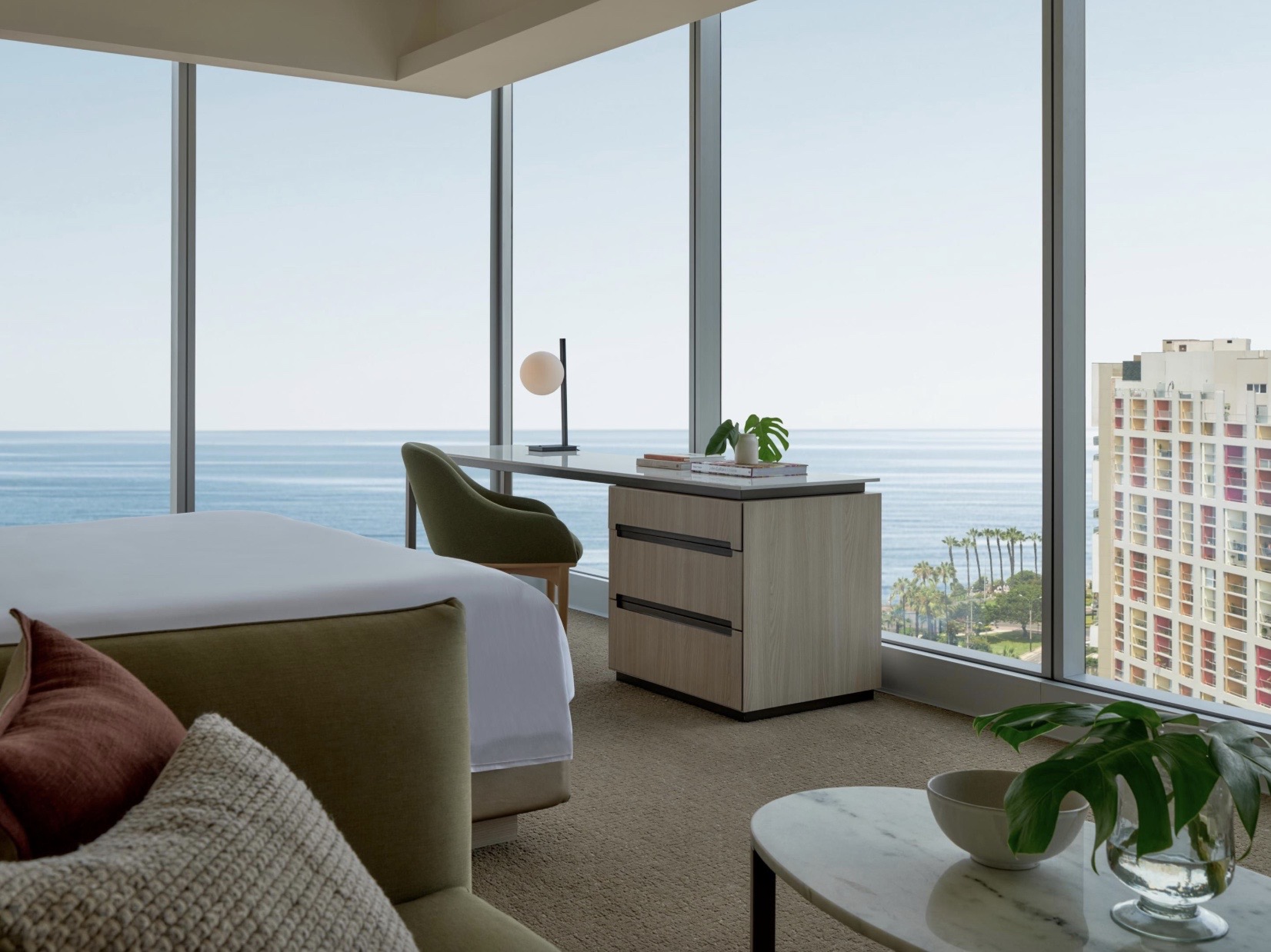
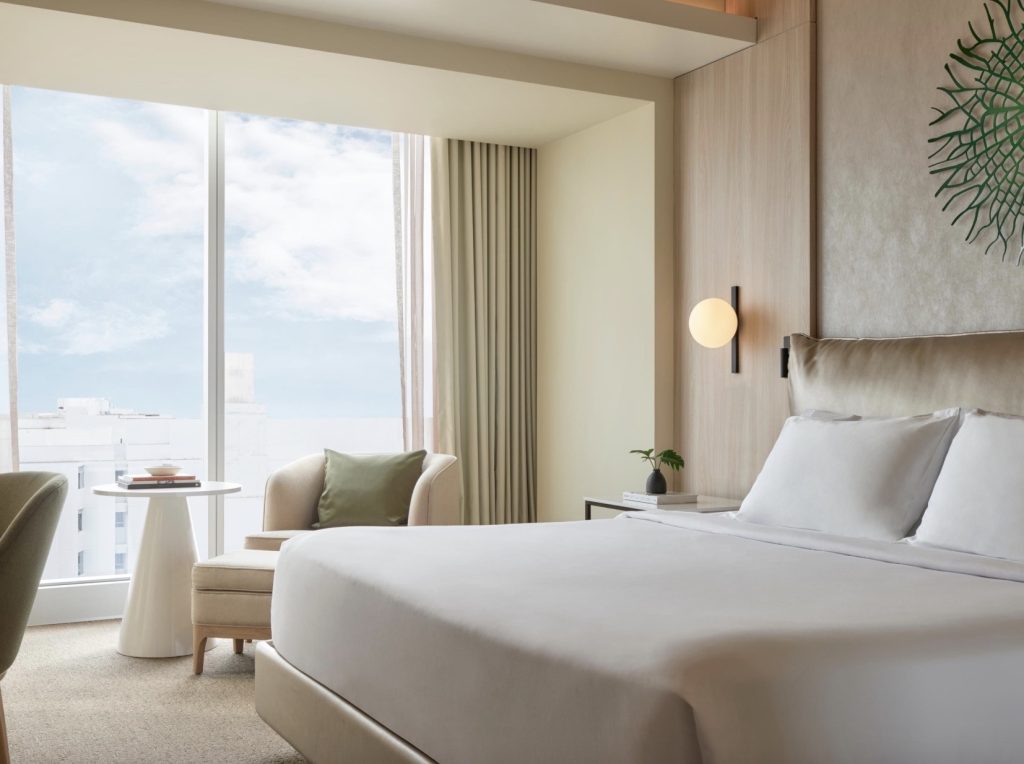
The rooms follow through on that idea. They are not expansive, but they are resolved. Built-in millwork keeps everything contained, beds sit low and structured, and the emphasis is placed on light rather than decoration. Floor-to-ceiling windows define the experience, shifting the mood throughout the day. It is a space that works immediately and continues to hold up over time.
Where Souma sharpens its identity is through its food and drink. The main restaurant, Kimo, operates with a clear point of view. The menu is contemporary Peruvian, focused on ingredient quality and balance rather than presentation. Ceviches are clean and direct, seafood is handled with restraint, and the overall approach feels confident without trying to compete with the city’s more theatrical dining rooms.
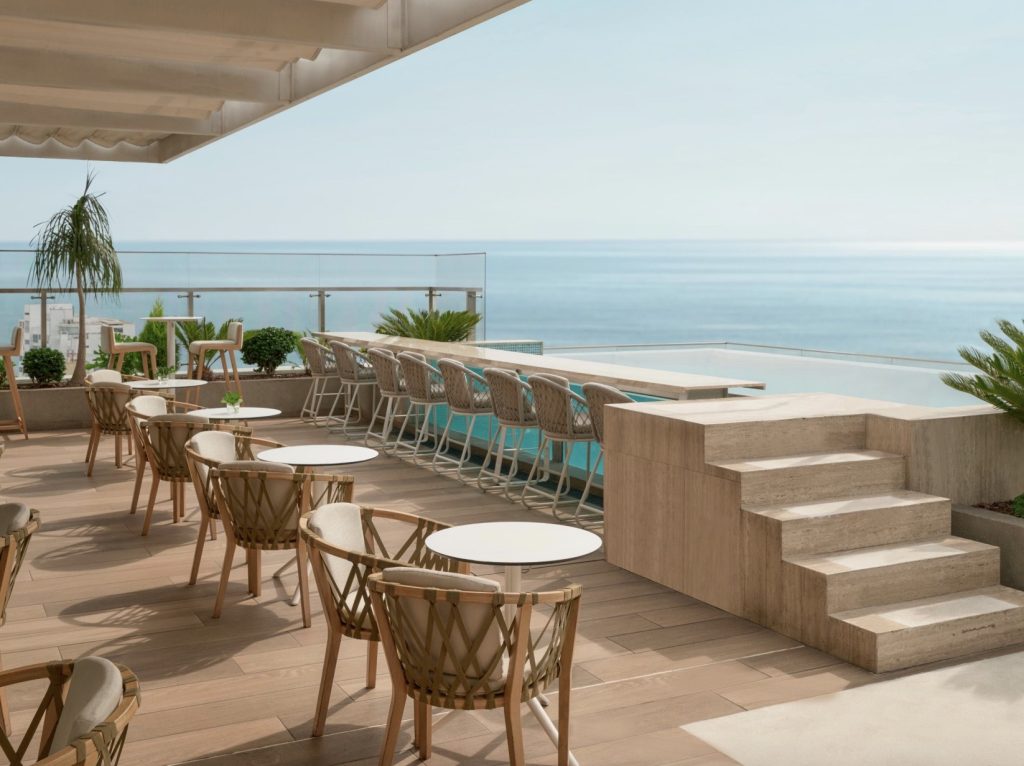
Upstairs, 27 Tapas extends the experience without changing its tone. The rooftop is linear and open, with low seating and unobstructed views toward the Pacific. By late afternoon, it fills in naturally with guests and a local crowd, the energy building at an easy pace. It is not over-programmed or overly designed. It simply works.