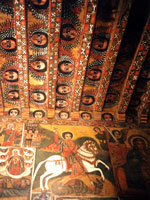
 Overview: First time visitors to Ethiopia are generally amazed by the
stunning natural beauty of a country that is also incredibly rich
in culture and history. The striking diversity of landscapes,
ancient traditions and people leaves a lasting impression to
challenge the misleading stereotype of a land stricken by years of
drought and famine. Brimming with contrasts and extremes, Ethiopia beckons visitors
to explore from the tops of its highlands, where mountains soar
over 14,100 feet (4,300 metres), to the depths of the Danakil
Depression situated below sea level; to discover Abyssinian culture
and traditions that date back over 3,000 years; to experience
ancient Islamic folklore, as well as the fascinating rituals and
sacred ceremonies of the Ethiopian Orthodox Church. Ethiopia is also described as the Cradle of Humanity, home to
the oldest human remains in the world, while at the same time its
capital Addis Ababa, meaning 'New Flower' in Amharic, is home to
the more modern problems of urban migration, where homeless people
roam the streets in search of food, money and a better life. Northern Ethiopia holds the greatest attraction for visitors as
one of the country's richest regions for culture, history and
natural splendour. The Historic Route takes in the medieval city of
Gondar, with more castles, palaces and churches than any other city
in Africa; and the ancient capital of the Queen of Sheba and
Ethiopia's holiest city, Axum, where the original Ark of the
Covenant containing the Ten Commandments is said to rest.
Ethiopia's top attraction, however, is undoubtedly the 13th-century
rock-hewn churches of Lalibela, among the most incredible man-made
structures in the world, revered and renowned among Ethiopians and
foreigners alike and the venue for some of the most famous
religious festivals in Ethiopia. Taking 24 years to complete, the
astounding rock churches are believed to have been created with the
help of angels. The north also boasts the breathtaking Simien Mountains National
Park, enc
|


 RSS Feeds


 Find a Restaurant in Your City


