Hollywood has always been built on illusion: backlots dressed as foreign capitals, soundstages transformed into palaces, deserts and distant planets, and actors asked to make the impossible feel intimate. What has changed is the cost of maintaining that illusion.
Today, the economics of cinema are under extraordinary pressure. Original films have become harder to finance. Studios are retreating into the safety of franchises. Streamers, once willing to spend aggressively on prestige and experimentation, are now more cautious. The result is a luxury problem with real cultural consequences: the films audiences remember most are often the ones the industry now finds hardest to make.
Acme AI & FX believes it has found a way forward.
The company, led by Ryan Kavanaugh, Garrett Grant, Lawrence Grey and Matthew Kavanaugh, has been quietly developing an AI-powered production model designed to preserve the artistry of filmmaking while removing much of its logistical excess.
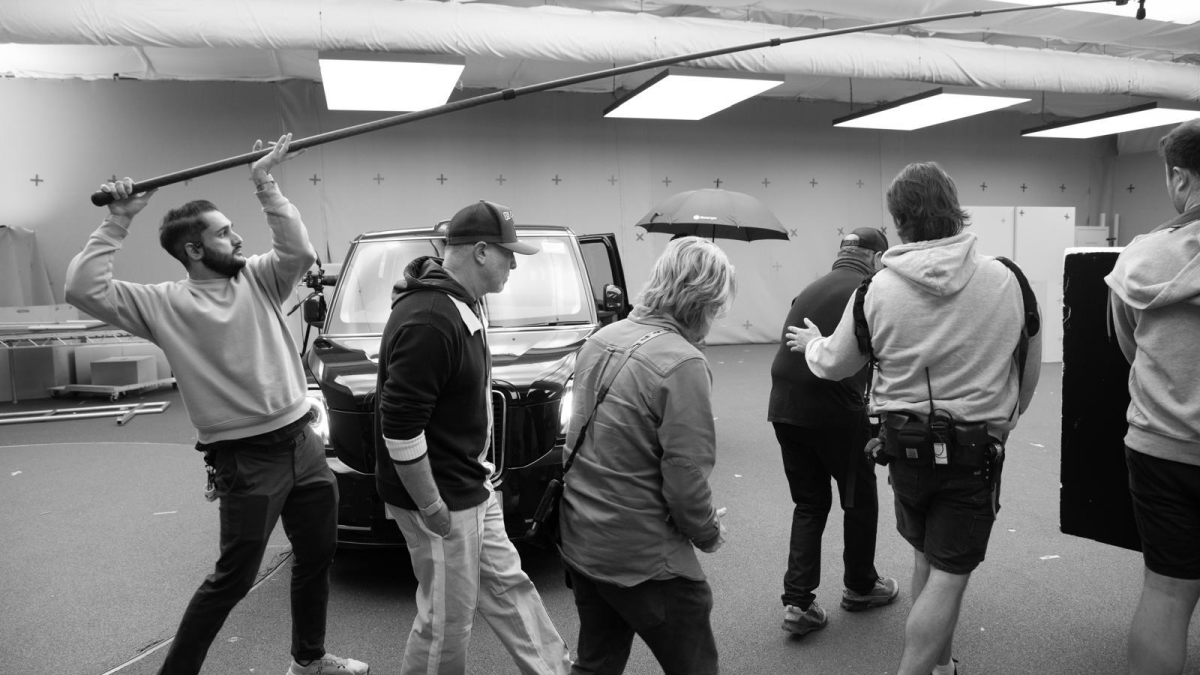
At the centre of the model is Acme’s proprietary grey stage. Actors perform there. Directors guide them. Writers and department heads remain essential. Around that human centre, Acme uses proprietary AI technology to generate photorealistic environments: interiors, landscapes, cityscapes and worlds that previously required expensive travel, location scouts, physical sets and large-scale logistical planning.
The result is not a synthetic replacement for cinema, but a new kind of cinematic atelier. Human performance remains the luxury object. The technology simply expands the canvas.
That proposition arrives at a delicate moment. For years, AI has been treated in Hollywood as a threat, a force that might flatten craft and replace talent. Acme is making the opposite argument: that technology can protect creative work by making more of it possible.
Its flagship production, Killing Satoshi, is an ambitious test of that thesis. Directed by Doug Liman and starring Casey Affleck, Pete Davidson, Gal Gadot and Isla Fisher, the film explores the mystery of Bitcoin creator Satoshi Nakamoto. Written by Nick Schenk, it is a high-concept original thriller of the sort Hollywood has become increasingly reluctant to finance.
Acme produced the film on its grey stage with AI-generated environments, creating the scale of a major studio production without the traditional physical sprawl.
The company is also involved in Stop That Train, the new Adam Shankman film, and says more than 15 film and television projects are already in development or production.
The business case is as striking as the creative one. Acme says it can cut shoot schedules by 60 to 70 percent and reduce below-the-line costs to a fraction of traditional production levels. In a market where original films are often rejected because their budgets no longer justify the risk, those savings could be transformational.
Ryan Kavanaugh’s presence adds another layer to the story. His career has included major successes, bold financing innovations and public controversy. With Relativity Media, he helped popularise slate financing and became one of Hollywood’s most visible independent studio figures before the company’s bankruptcy and restructuring made him a target of industry criticism.
Now, Acme offers him and his partners a new chapter: not merely another studio, but a production system built for a changed era.
Luxury cinema has always depended on craft, scale and imagination. Acme’s wager is that artificial intelligence, used carefully, can preserve all three.
If it succeeds, the future of film may not look less human. It may look more possible.