
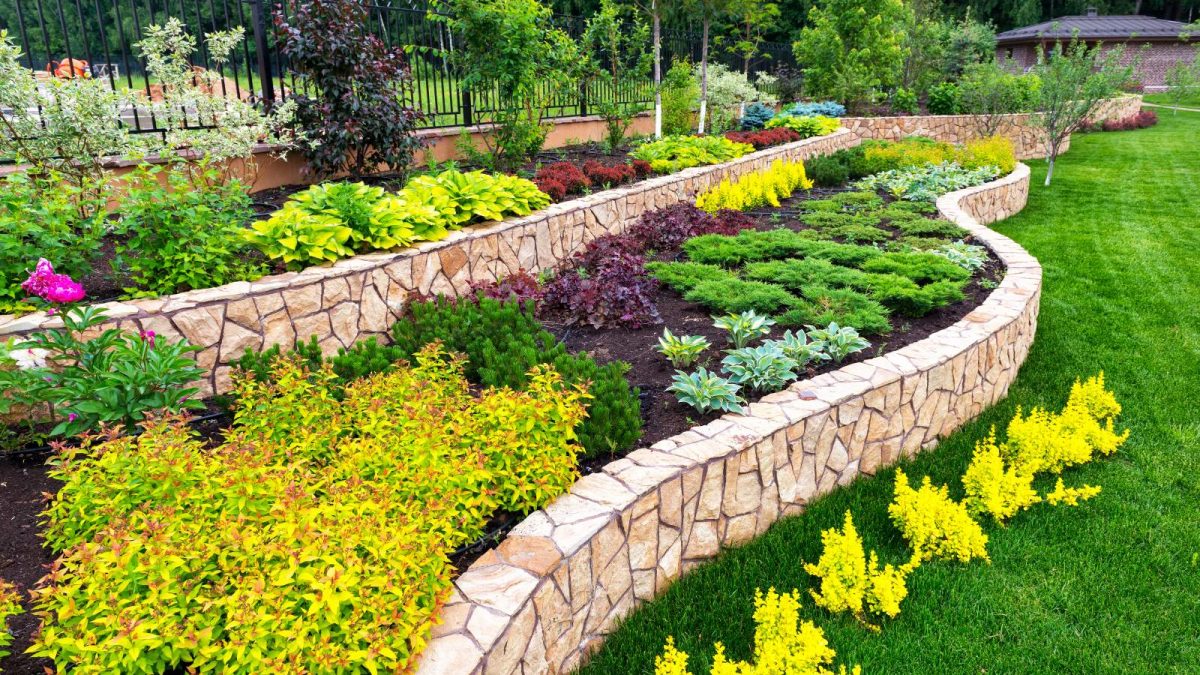
Most high-end property upgrades add value by adding cost. A pool requires filtration, cleaning, and seasonal maintenance. An outdoor kitchen needs gas lines, appliance servicing, and weatherproofing. A redesigned patio adds square footage that must be maintained alongside everything else.
Native landscaping is the rare upgrade that adds value while reducing what you spend to maintain the property every year.
That distinction is why a growing number of luxury homeowners are replacing conventional ornamental landscapes with native plant installations. It is not a step down in appearance. It is a shift in how the property performs over time.
What Makes This Upgrade Different
Most major outdoor improvements increase annual operating cost. Native landscaping decreases it.
Conventional ornamental landscapes require irrigation systems, regular fertilizer application, pesticide treatments, and year-round professional maintenance contracts. The plants were bred for visual consistency, not for the climate they are planted in. Keeping them alive in conditions they were not designed for is where the cost accumulates.
Native plants evolved in your region. They are adapted to the local soil, rainfall, temperature range, and insect populations. Once established, they need no supplemental fertilizer, no pesticide, and dramatically less water than ornamental alternatives.
Tammy Sons, a native plant expert and founder of TN Nursery, a third-generation grower that has been supplying native plants since 1959, explains why the difference runs deeper than maintenance. “A native plant evolved in a specific region over thousands of years alongside the local soil, climate, insects, birds, and fungi,” she says. “Everything around it recognizes it as food and habitat.”
That biological fit is the reason native landscapes perform without the constant input ornamental landscapes demand.
What the Property Looks Like After the Switch
One common misconception is that native landscaping looks less refined than a conventional ornamental layout. On a well-designed property, the opposite is true.
A native landscape is designed to move through the seasons. Spring brings early wildflowers and soft color. Summer fills in with flowering perennials that attract butterflies and songbirds. Fall adds warm tones as blooms give way to seed structures. The landscape changes month to month in a way that static ornamental beds do not.
The more significant difference shows up over time. A native landscape improves with age. As root systems deepen and plantings fill in, the landscape becomes more textured and visually interesting each year. An ornamental landscape of the same age has been replaced, treated, and maintained continuously just to hold its original appearance.
Why the Timing Matters
Several factors are making this upgrade more relevant now than it was even five years ago.
Water availability is tightening in luxury markets across the West and parts of the Southeast. Properties with irrigation-dependent landscapes face rising water costs and, in some jurisdictions, usage restrictions that make conventional landscaping harder and more expensive to sustain.
There is also an ecological consideration that increasingly factors into how property owners think about their land. Native landscapes provide habitat for pollinators, including the milkweed species that monarch butterflies depend on for reproduction. A conventional ornamental landscape provides none of that habitat. For owners who view their property as something they steward rather than simply maintain, native landscaping aligns the grounds with that philosophy.
“Native plants are the future,” Tammy Sons says. On properties where the landscape is expected to perform for decades, that future is already arriving.
How to Start
The transition does not require a full landscape replacement. Most property owners begin with one section: a border, a meadow area, or a high-maintenance bed that consumes a disproportionate share of the annual maintenance budget. The reduced input on that section usually builds the case for converting more.
Fall is the ideal planting window. Roots establish during winter dormancy, and by spring the plants produce stronger growth and earlier blooms than anything installed after the season starts.
Sourcing matters. Working with growers who have field-level knowledge of how specific species perform in specific conditions produces better outcomes than purchasing through supply chains where that expertise is absent.
Conclusion
The smartest outdoor upgrades make the property easier to own over time. Native landscaping is one of the few exterior improvements that reduces annual operating costs, eliminates chemical dependency, and adds ecological value that conventional landscaping cannot provide.
For luxury homeowners considering where to invest next, the grounds may be the most overlooked opportunity on the property.