



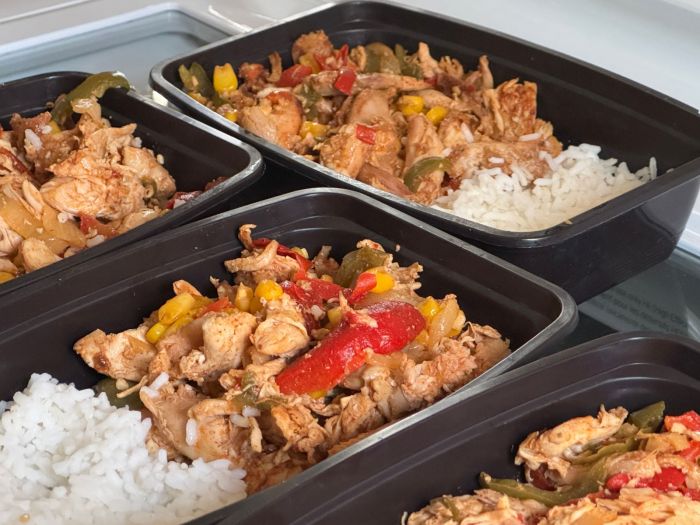
In the hustle and bustle of daily life, meal prep has become an essential routine for many. Nutritionists and dietitians recommend it to maintain a healthy diet, save time, and manage weight. But meal prepping isn’t just about chopping vegetables or packing meals—it’s also about adopting smart kitchen habits that keep your food safe while making the process enjoyable and stylish. A well-organized kitchen requires more than clean hands and tidy counters—it thrives on intentional habits, and here’s how to get started.
Food and Appliance Safety
Staying on top of product recall information is an often-overlooked yet crucial part of kitchen safety. Recalls can apply to everything from appliances and gadgets to pre-packaged ingredients, often triggered by safety concerns or defects. Keeping up with recall notices helps you avoid potentially unsafe products and adjust your kitchen setup as needed. In addition, reading appliance manuals carefully is key to understanding proper operation and maintenance, which not only protects you but also extends the life of your kitchen tools.
Keep It Clean
Cleanliness is the foundation of a safe kitchen. Always wash your hands before and after handling food, and keep all utensils, appliances, and countertops sanitized. Pay special attention to frequently touched surfaces like refrigerator doors, appliance handles, and cabinet knobs. Cutting boards, knives, and tools that come in direct contact with food require particular diligence, as bacteria can thrive on these surfaces if not properly cleaned.
Proper Storage
Proper food storage preserves freshness and reduces the risk of cross-contamination. Store raw and cooked foods separately, keep refrigerated items at the correct temperature, and label leftovers with dates to track how long they’ve been stored. Investing in airtight containers and separate crisper drawers for fruits and vegetables can make a big difference in prolonging the shelf life of your groceries.
Mindful Cooking
Mindful cooking is more than a buzzword—it’s about being fully present during meal prep. Paying attention to every step of the process not only helps prevent accidents but also enhances your enjoyment of cooking. Slow down, focus on technique, and savor the process; it can make meal prep feel less like a chore and more like a creative experience.
Stylish Tools and Accessories
Safety and style go hand in hand in a well-designed kitchen. High-quality, visually appealing utensils, gadgets, and servingware can make cooking more enjoyable. Think colorful spatulas, statement cutting boards, or elegant mixing bowls—tools that inspire you to cook while keeping your kitchen organized and functional.
Embrace Technology
Modern kitchen gadgets can add both convenience and safety. Appliances like slow cookers, air fryers, and instant pots often include safety features such as auto shut-off and cool-touch exteriors, making meal prep easier and safer. Smart devices, including digital kitchen scales and recipe apps, help streamline your workflow while maintaining precision and consistency.
Safe Habits
Always prioritize safety in the kitchen. Turn pot handles inward to avoid spills, keep knives out of children’s reach, and secure appliance cords to prevent accidents. Use oven mitts for hot pots and dishes, and place a damp cloth under cutting boards to prevent slipping. These small habits can prevent injuries and create a more efficient cooking environment.
Conclusion
Meal prepping doesn’t have to be overwhelming. By developing smart kitchen habits—staying informed about product recall information, maintaining cleanliness, practicing mindful cooking, embracing stylish tools, and prioritizing safety—you can create a kitchen that is both safe and enjoyable. With the right approach, your meal prep can be efficient, aesthetically pleasing, and above all, safe for you and your family. After all, the heart of the home deserves thoughtful care, and the meals you create should reflect both your personal style and food safety standards.



