



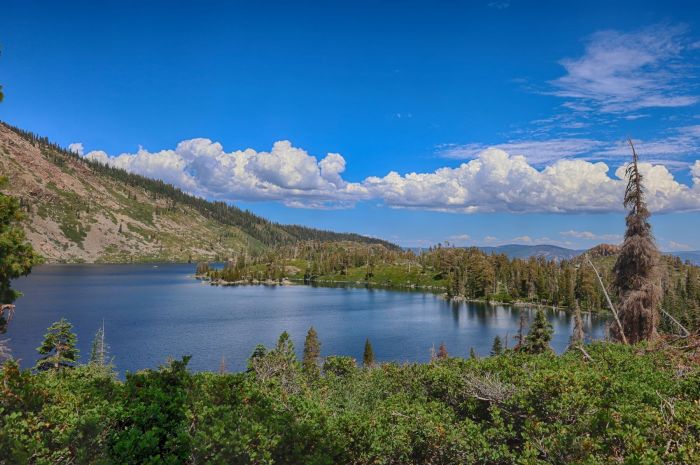
Moving to a mountain town offers the promise of fresh alpine air, stunning views, and a tight-knit community. Whether you're drawn to the peaceful charm of Truckee, the scenic beauty of Lake Tahoe, or the rustic appeal of Graeagle, the transition to high-altitude living comes with unique challenges. Planning ahead and understanding the logistics of moving to a mountain town can make all the difference.
Understand the Challenges of Mountain Relocations
Unlike urban or suburban moves, mountain relocations require knowledge of terrain, weather conditions, and altitude-related logistics. Roads are often narrow or winding, and many homes are located at the end of steep driveways or remote rural routes. Add snow, ice, or unpredictable weather, and it becomes clear why working with professionals versed in moving in snowy conditions is a smart idea.
Start with a Relocation Plan
Begin your move by creating a detailed plan. List important tasks such as notifying utility companies, hiring movers, and scheduling vehicle transport if needed. Incorporate your timeline with potential weather disruptions—especially vital for winter or early spring moves in the Sierra Nevada.
Hire Movers with Mountain Experience
Not all moving companies are equipped to handle the unique demands of high-altitude areas. Steep grades, remote access, and variable weather require both expertise and specialized equipment. It's critical to choose a mountain moving company experienced in the local terrain. For moves into locations like Graeagle, Truckee, or South Lake Tahoe, consider hiring Graeagle movers who specialize in navigating rural and high-elevation routes safely.
Smart Packing for Mountain Conditions
When packing for a mountain move, consider the environment. Moisture-resistant containers, thermal blankets, and climate-protected packing materials are essential for winter moves or during high-humidity seasons. Secure items well—winding roads can mean bumps and shifts inside moving trucks.
- Label Clearly: Identify temperature-sensitive items.
- Protect Electronics: Rapid elevation changes can affect delicate gear.
- Pack Essentials Separately: High-altitude locations may mean delays in access to deliveries, so keep necessities handy.
Prepare for Elevation and Rural Living
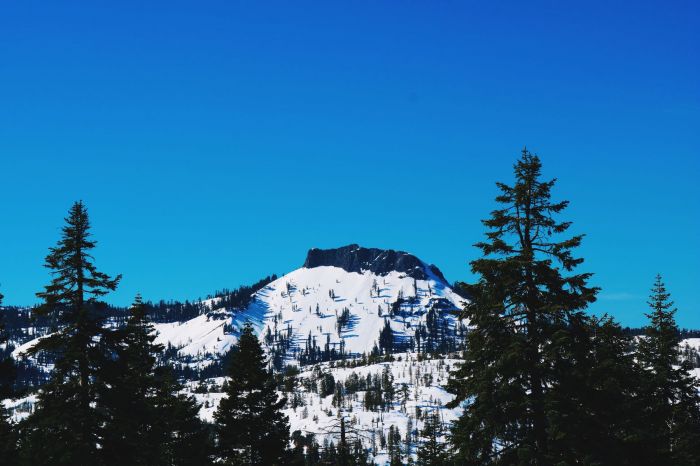
High-elevation areas can pose challenges beyond logistics. Your body may need time to adjust to thinner air, which can affect energy and sleep. Be sure to pace yourself during unpacking and physical work. Additionally, living in smaller mountain communities often requires being more self-sufficient. Stock up on supplies early and learn local access routes in case of emergency road closures.
Here are some top mountain town relocation tips to keep in mind:
- Visit the area in different seasons before moving.
- Inspect homes for winter readiness (insulation, heating systems, roof condition).
- Double-check internet and utility access in rural locations.
- Confirm moving truck accessibility—some areas require shuttle transport from a staging area.
Leverage Local Knowledge
Professional movers familiar with the region can offer invaluable advice—from the best way to move to a rural area to navigating elevation-related moving challenges. They’ll understand seasonal traffic patterns, road closures, and local regulations that may affect your timeline. Their guidance simplifies the question of how to move to the mountains successfully and stress-free.
Final Thoughts
Mountain town living is a rewarding lifestyle change, but getting there requires thoughtful planning and the right team. From Sierra Nevada moving tips to customized packing strategies, each step helps ensure a smooth transition. By recognizing the unique concerns involved in moving to a mountain town, you’ll start your new chapter in the mountains with confidence and peace of mind.



