



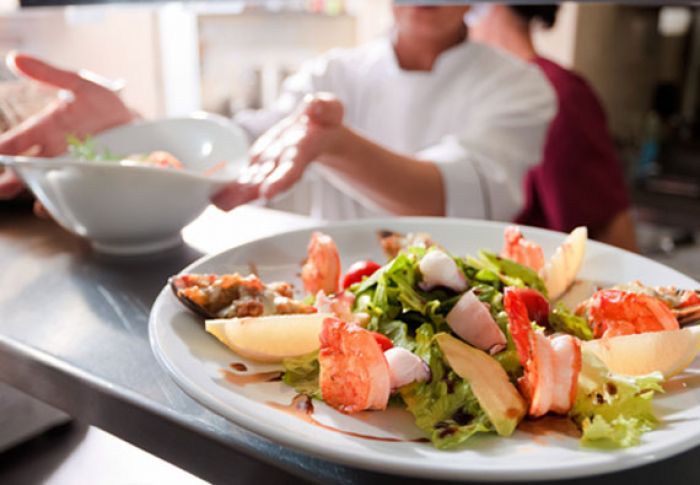
Let´s take an example: fish, lime and asparagus. Fish matches very well with a butter lime sauce, served with asparagus (bitter). A good chef would not mix too many flavors - "Too much flavor kills the flavor." Why add spices, ginger or herbs, if you do not feel it in mouth? Palate development is such a long training process. We usually say in France: to become a wine expert you need 15 years of professional daily tastings. This is also true for a chef as well, meaning visits with local producers and markets, tasting everything while cooking (even raw products), and remembering.
Question: A good chef, when creating a dish, is in his "own world." Do you believe the customer understands the meaning of the dish? Do you think the chef should present the plate and explain it?
Food Trends
- Eat local "From the Farm to the Plate"
- Eating Organic
- Light Fare
- Less salt while cooking. Rock salt is more and more popular, and it is amazing with dark chocolate!
- Food and Design. More creativity in presentations. Very strong influence in Canada and Denmark (Noma, Denmark, has been named this year the Best Restaurant of the World)
- A spicy touch on each plate, like ginger, wasabi or Tabasco (even with desserts!)
- Ethnic cuisine gets bigger and bigger
- Finger food and half portions allow the customers to taste more and pay less
- Slow Cooking
- Gastro Pub’s
- The Chef’s Table

This post originally appeared at CityRoom.com.



